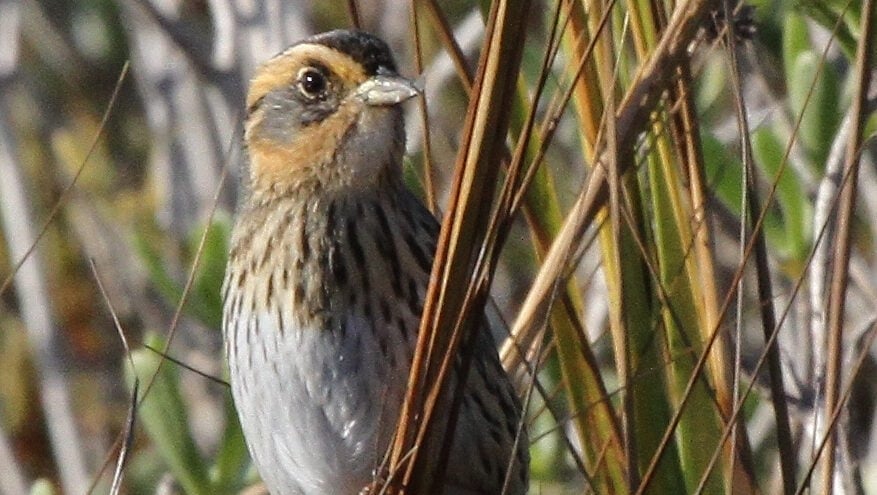
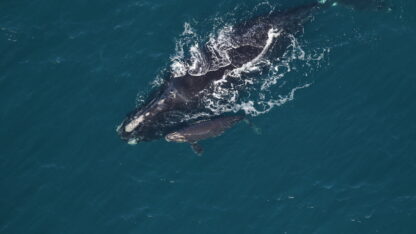
Georgia is updating its state-protected species list for the first time in 20 years and is seeking public input.
This list has been around since the 1970s, after the Endangered Wildlife Act and the Wildflower Preservation Act were passed federally.
“The protected species list really is a good way for us to narrow down which species are most important,” said Trina Morris, a program manager with the Wildlife Conservation Section of the Wildlife Resources Division of the Georgia Department of Natural Resources.
“It doesn’t mean we can’t work on all the other species, but which ones we really want to focus on for conservation efforts for the next ten years to try to help improve their chances of doing better and not ending up on the federally protected species list.”
Morris says there’s no mandated interval for updating this list, but right now is an ideal time since the state has been updating its State Wildlife Action Plan, which the U.S. Fish and Wildlife Service approved last year, a 10-year plan developed with partners to guide major conservation and stewardship priorities.
Morris said that the document included assessments for all the species the state is considering for the protected species list, providing more technical detail to inform their decision-making.
Species on this state-protected species list have better safeguards, but only on state land — such as state parks and Georgia Department of Transportation property, like highways. Unlike the federal endangered and threatened species list, what Georgia DNR decides at the state level doesn’t change protections for these species on private property in the state.
Morris says they’ve had recent successes with using state-level protections to prevent a species from slipping onto the federal lists, with the gopher tortoise.
“Last year we met our conservation goals for that species to we feel like it can sustain its population,” Morris said.
In addition, she says the state has properties either protected under state ownership or through an agreement with private landowners to manage the land to benefit the gopher tortoises.
She said since Georgia is 90% privately owned land, partnerships with private land owners also go a long way in these efforts, too — and in the case of the gopher tortoise, played a critical role in their populations improving.
“And that’s exactly the kind of thing that we want to highlight when we put these things on our protected species list,” Morris said.
She said the DNR partners with technical teams and species experts on coming up with this list. And some of those experts are private citizens.
“That got really excited about certain species and are now an expert on something like dragonflies or something that we, you know, we just haven’t had a lot of time to focus on, so they were involved in that way,” Morris said.
The public has the month of June to review this list. Morris says afterward, the DNR will have a final list up for public comment later this year before rulemaking is completed.