The midterm election is approaching quickly. And when it comes to which party could perform more strongly in November, several factors are in play, including any potential influence of Democratic Socialists on voters and the effect they may have on the Democratic Party overall.
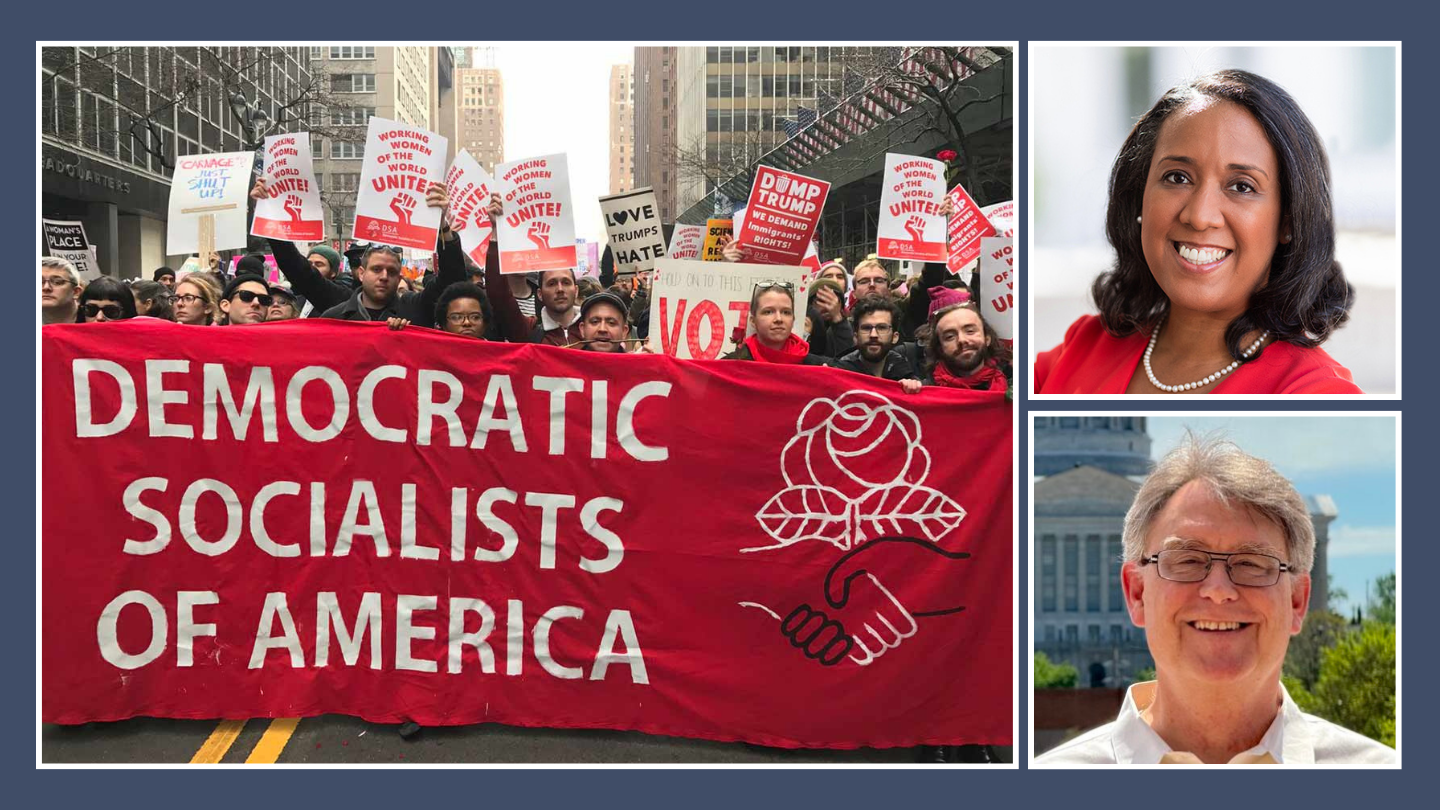
The DSA has seen several electoral victories in recent years. Last November, Zohran Mamdani was elected mayor of New York City. Over the past several months, candidates aligned with the DSA have picked up primary wins in New York, Colorado, and Washington, D.C. Plus, over the past two years, Democratic Socialists have claimed seats for the first time on the Atlanta City Council and in the Georgia General Assembly.
“One of the things I like about Mamdani in New York is he’s actually fairly pragmatic about all this. He is not running an ideological administration,” said Political Strategist Blake Ashby on Thursday’s edition of “Closer Look.” “He is cautiously trying some of the things that he promised in a small way, growing to a big way.”
“Closer Look” recently spoke with Ashik Siddique, the National Co-Chair for the DSA, and Bianca Garcia, the Atlanta Chapter Co-Chair for the DSA. They described their work as “exclusively fighting for working class people,” holding elected officials accountable to working class people, and expanding democracy to “our neighborhoods, our workplaces, and in our homes.”
On today’s program, the focus continued on Democratic Socialists with political analysis from Emory University Political Science Professor Andra Gillespie and Blake Ashby, author of “Socialism and the Democratic Party”. Their conversation highlighted the DSA’s complex relationship with the Democratic Party, what socialism means to different generations, how DSA members interact with Black candidates, and the DSA’s stance on political issues such as the Israeli-Gaza war, police abolition, and reparations.