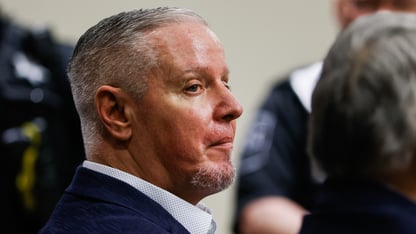
Lawyers for the man accused of killing conservative activist Charlie Kirk tried to sow doubt about the case on Friday, while a prosecutor countered that authorities have “overwhelming” evidence that includes DNA tests and apparent confessions by the defendant.
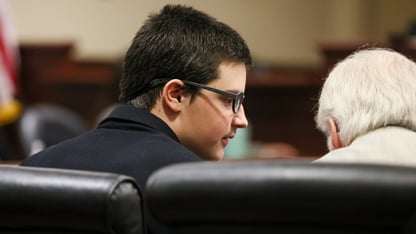
Judge Tony Graf said he will decide if the case against Tyler Robinson should advance to trial after hearing again from the two sides on Sept. 1.
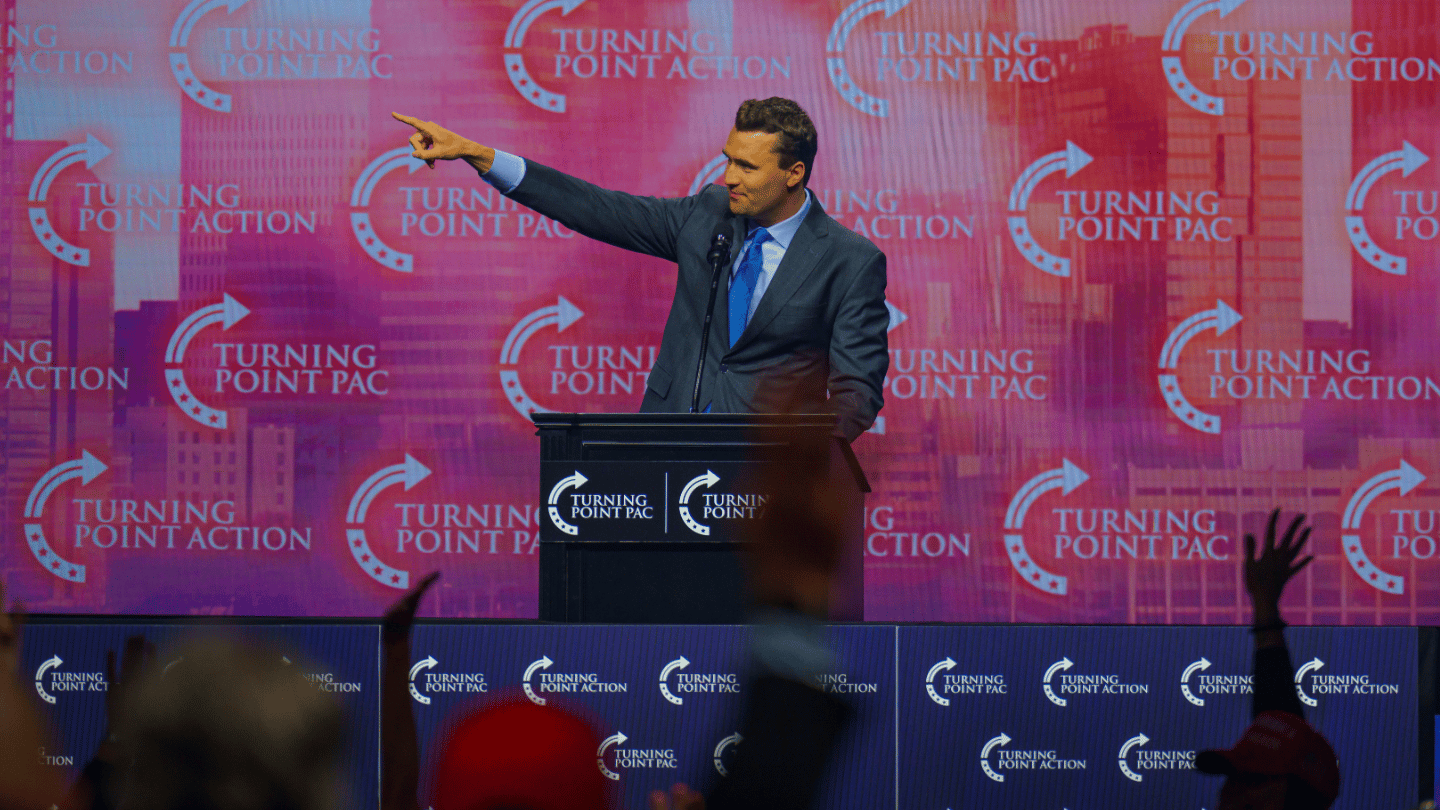
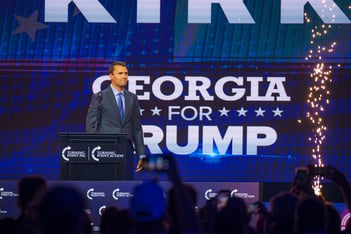
Kirk, a 31-year-old confidant of President Donald Trump, was killed as he spoke to a crowd of thousands at Utah Valley University on Sept. 10. Robinson is charged with aggravated murder and could face the death penalty.
Friday’s proceedings capped a week of preliminary testimony and brought an emotional moment for Kirk’s family: The court played surveillance video that prosecutors said showed Robinson on the rooftop where he allegedly fired a single bullet that hit Kirk in the neck.
Kirk’s widow, Erika, watched intently as a person said to be Robinson ran across the roof. When the figure dropped to a crawl near the roof’s edge , Erika Kirk turned and embraced Charlie Kirk’s mother, Kathryn, who was crying. They held each other and looked away until the video was almost over.
Defense questions reliability of evidence
Prosecutors this week presented a recorded interview with a former roommate, who said the 23-year-old defendant expressed remorse for the shooting before turning himself in. Lawyers from the Utah County Attorney’s Office also offered DNA analysis that investigators said linked Robinson to both the suspected murder weapon and a tool he allegedly used to etch messages onto bullet cartridges.
Robinson’s team did not offer alternative theories for Kirk’s death. But one of his attorneys, Michael Burt, repeatedly questioned the reliability of DNA tests and other evidence from prosecutors.
“If you had a lot of DNA on your hand, we shook hands and I went to pick up an exhibit, a gun, and I touched the trigger of it, your DNA could be on that trigger, right?” Burt asked Caitlin Oliver, a forensic biologist with the Bureau of Alcohol, Tobacco, Firearms and Explosives.
“It is possible. Yes,” Oliver replied.
The defense attorney noted that government policies don’t allow analysts to say that DNA evidence is “infallible” or that it has a “zero error rate.”
Experts say the science behind DNA testing is sound.
Chief Deputy Utah County Attorney Chad Grunander questioned the relevance of bringing in Oliver as a witness. He suggested prosecutors met the burden of proof needed to advance the case to trial.
“Your honor’s heard four days of testimony now. The evidence is overwhelming. It’s devastating,” Grunander said.
Robinson did not testify at the hearing. One of his attorneys told the judge they had advised him not to.
Kirk family thanks supporters
Robinson has not entered a plea. He turned himself in a day after the shooting.
Kirk’s family released a statement Friday expressing gratitude for the support and prayers they’ve received.
“We pray that truth will continue to be heard through a process that is fair, transparent, and grounded in the facts,” the statement said.
The video that prosecutors said showed Robinson running across the roof at Utah Valley University was played for the court gallery at the request of Kirk’s family. Portions of the recording were zoomed in to better show the figure on the roof, and red circles were added to some images.
An unaltered version of that video was shown earlier.
Prosecutors on Thursday aired portions of an April 20 interview with Robinson’s roommate, Lance Twiggs, who was Robinson’s romantic partner. The day after Kirk was shot in the neck, Robinson allegedly told Twiggs “he wishes he hadn’t done it,” a recording played in court revealed.
Later that same day — and only about an hour before turning himself in — Robinson posted “it was me at UVU yesterday,” in a chat room on the Discord social media platform, according to investigators and messages shown by prosecutors.
Defense attorneys unsuccessfully fought the public release of Twiggs’ statements and the chat room messages. They argued prosecutors would characterize the material as a confession, undermining Robinson’s right to a fair trial.
Roommate: Robinson never talked about Kirk
Prosecutors contend the shooting endangered others at Kirk’s campus event — an aggravating circumstance that could make the crime punishable by death under Utah law. Robinson also faces possible sentence enhancements based on claims by prosecutors that he targeted Kirk because of his political views.
Twiggs said in the April interview with prosecutors and investigators that Robinson sometimes talked about politics, including Trump. But Twiggs said he never heard Robinson talk about Kirk before the shooting. The defendant also did not talk much about gender issues or LGBTQ rights, Twiggs said.
The weeklong preliminary hearing attracted intense media coverage and spectators who lined up — sometimes overnight — for one of 14 seats in the courtroom reserved for the public.
Preliminary hearings typically don’t last so long. Legal experts said the slow pace reflects a cautious approach by Graf and the large volume of evidence.
Conjecture over that evidence has fueled unsubstantiated conspiracy theories that there might have been a second shooter or that Kirk’s death was staged.
“I think that the prosecution wanted to dispel those theories by putting out into the public record the overwhelming case that it possesses against Robinson,” said Paul Cassell, a law professor at the University of Utah and former federal judge.