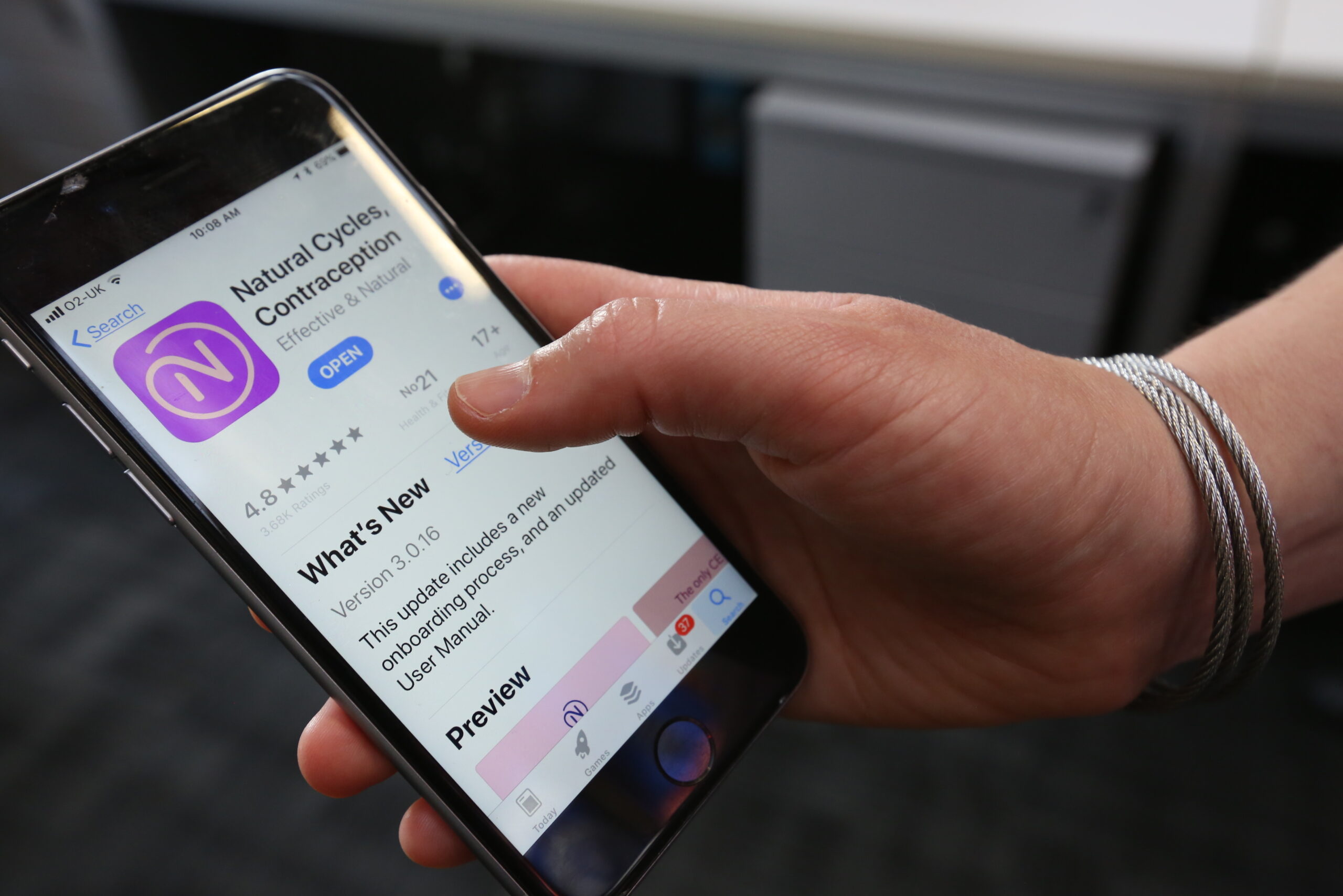
The Food and Drug Administration took a big-tent approach earlier this month when it approved two new forms of birth control that seek to prevent pregnancy in very different ways.
Women’s health advocates applauded the availability of a new vaginal ring that could be used for up to a year. But some questioned the OK’ing of a mobile phone app that helps women avoid pregnancy by tracking their body temperature and menstrual cycle, a type of contraception called “fertility awareness.”
Critics pointed to reports that three dozen women in Sweden got pregnant despite monitoring their cycle with the app. They also fear that the FDA approval of the app may encourage patients to think that fertility-awareness methods, which include a range of practices to track ovulation and avoid unprotected sex during that time, are just as good at preventing pregnancy as some highly effective types of birth control, like the intrauterine device. While “natural” methods can be successful, they generally require close daily attention.
Read this story now for free
To continue reading, sign up for our newsletter and get unlimited access to WABE.org
You can select your preferences for news and local content. We will never share your email address. Learn how your newsletter sign-up will support WABE and Public Media