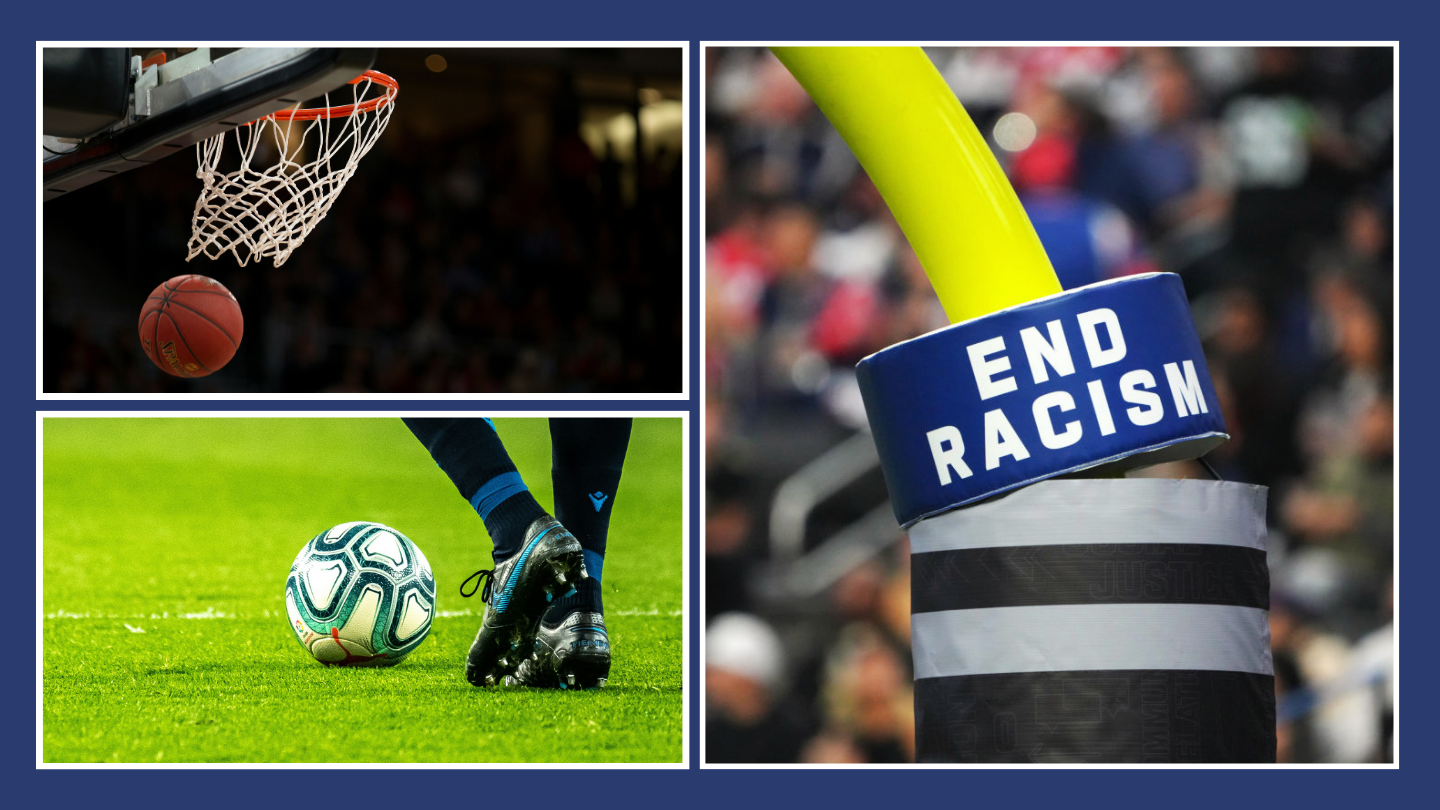
“It takes courage.”
That was the heart of a wide‑ranging conversation on “Closer Look with Rose Scott” about confronting racism in sports from the professional ranks to youth leagues.
Their conversation comes as both the WNBA and the World Cup face new incidents of racism directed at athletes.
The roundtable featured:
- Dr. Edwin Moses, Olympic champion and one of the most dominant 400‑meter hurdlers in history, who later became a leading voice in anti‑doping reform as chair of the United States Olympic Committee’s substance abuse, research and education committee and now serves as chairman of the United States Anti-Doping Agency.
- Dr. Deborah Stroman, a former University of Virginia basketball player and coach turned leadership strategist, known for helping organizations navigate equity challenges and build stronger teams.
- Al Vivian, a longtime diversity and equity consultant and trusted advisor to C‑suite leaders across three continents.
- C.J. Stewart, former Chicago Cubs outfielder, author of “Living to L.E.A.D.,” and co-founder of Atlanta’s L.E.A.D. Center for Youth, which empowers at‑risk young people to lead in their communities.
The group discussed how professional leagues and global governing bodies can better respond to racial abuse from fans and how players and media outlets also share responsibility in calling it out. Across the board, they agreed that accountability is the necessary starting point.