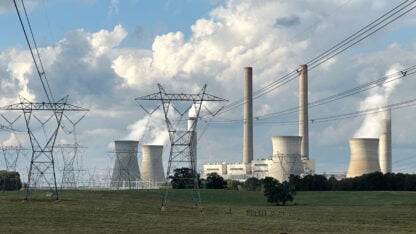
It feels like a long time ago now, but Georgia’s biggest energy story once centered on the construction of new nuclear power plants. In 2009, for the first time in more than three decades, the United States began building two new reactors, Vogtle 3 and Vogtle 4, in Waynesboro, Georgia. The road to becoming the nation’s largest generator of carbon‑free nuclear energy was bumpy. The project endured major setbacks, including the bankruptcy of the lead contractor, Westinghouse, cost overruns exceeding $35 billion, and a completion date delayed by 7 years.
Despite those challenges, Plant Vogtle is now one of three nuclear facilities in Southern Company’s energy portfolio. But another major issue is emerging for the utility giant: the rapid expansion of data centers.
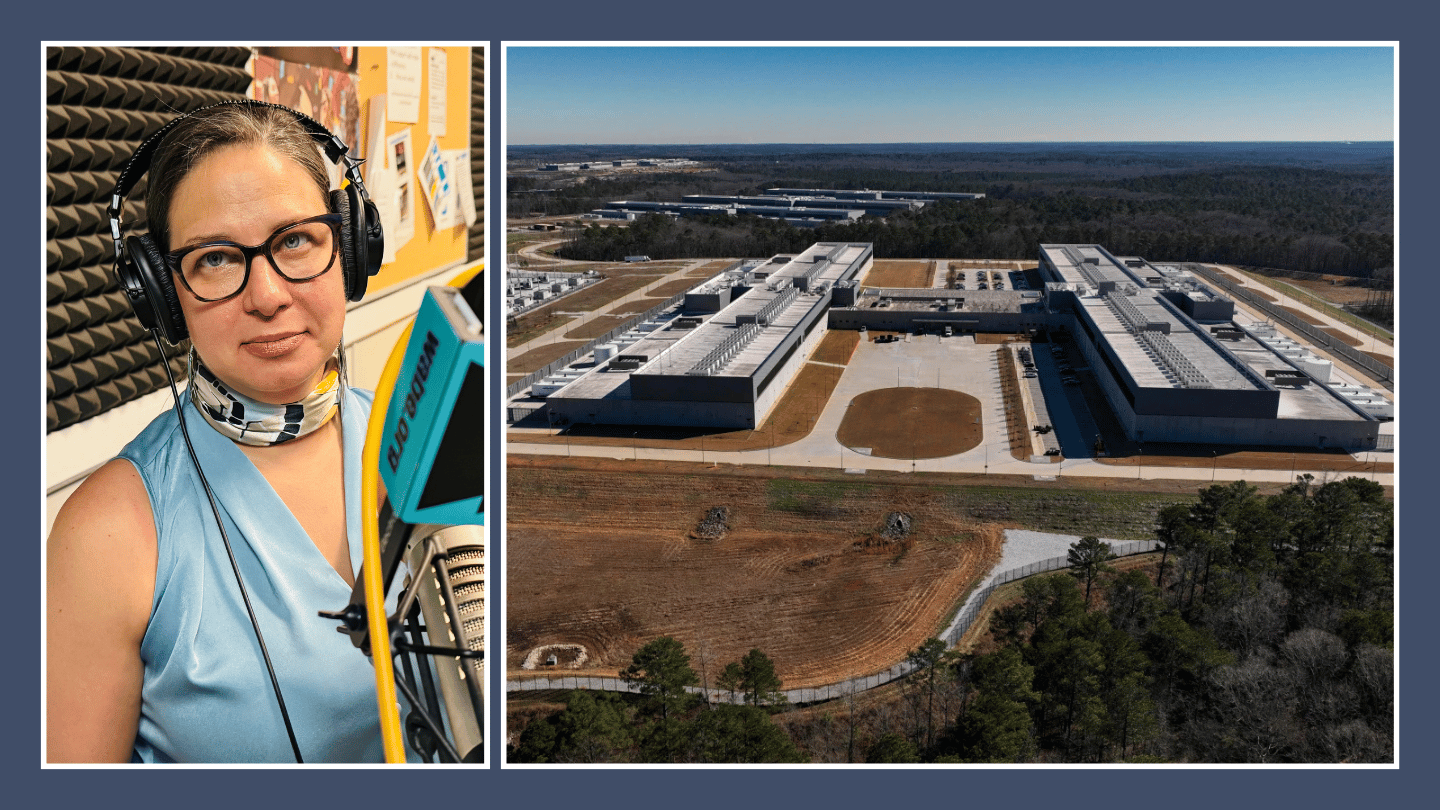
Georgia Power, Southern Company’s largest subsidiary, doesn’t build data centers, but it is deeply invested in a current construction wave. Data centers house servers that require uninterrupted electricity, large volumes of water for cooling, and significant land for construction. Add to those concerns about oversight, regulation, environmental impact, lobbying pressure, and transparency, and the industry becomes a complex one to cover, says energy reporter Kristi Swartz.
“I remember last year when Georgia Power was talking about a big expansion of its power grid, with most of that going toward data centers,” she said. “A source told me we have to look at this as something much bigger now than Plant Vogtle because of the money on the table and the amount of electricity that’s going to be used.”
Swartz, a longtime energy and climate journalist and contributing writer for the Atlanta Journal‑Constitution, joined “Closer Look” host Rose Scott to explain why data centers have become Georgia’s most pressing energy issue. One of her latest AJC articles, “Kemp Joins Trump Effort to Shield Consumers from Data Center Power Costs,” examines a new ratepayer protection pledge. Under the plan, Swartz writes, “the White House and seven of the largest tech companies said they would pay for electricity costs in areas where they are building data centers.”