Staff Picks 2026
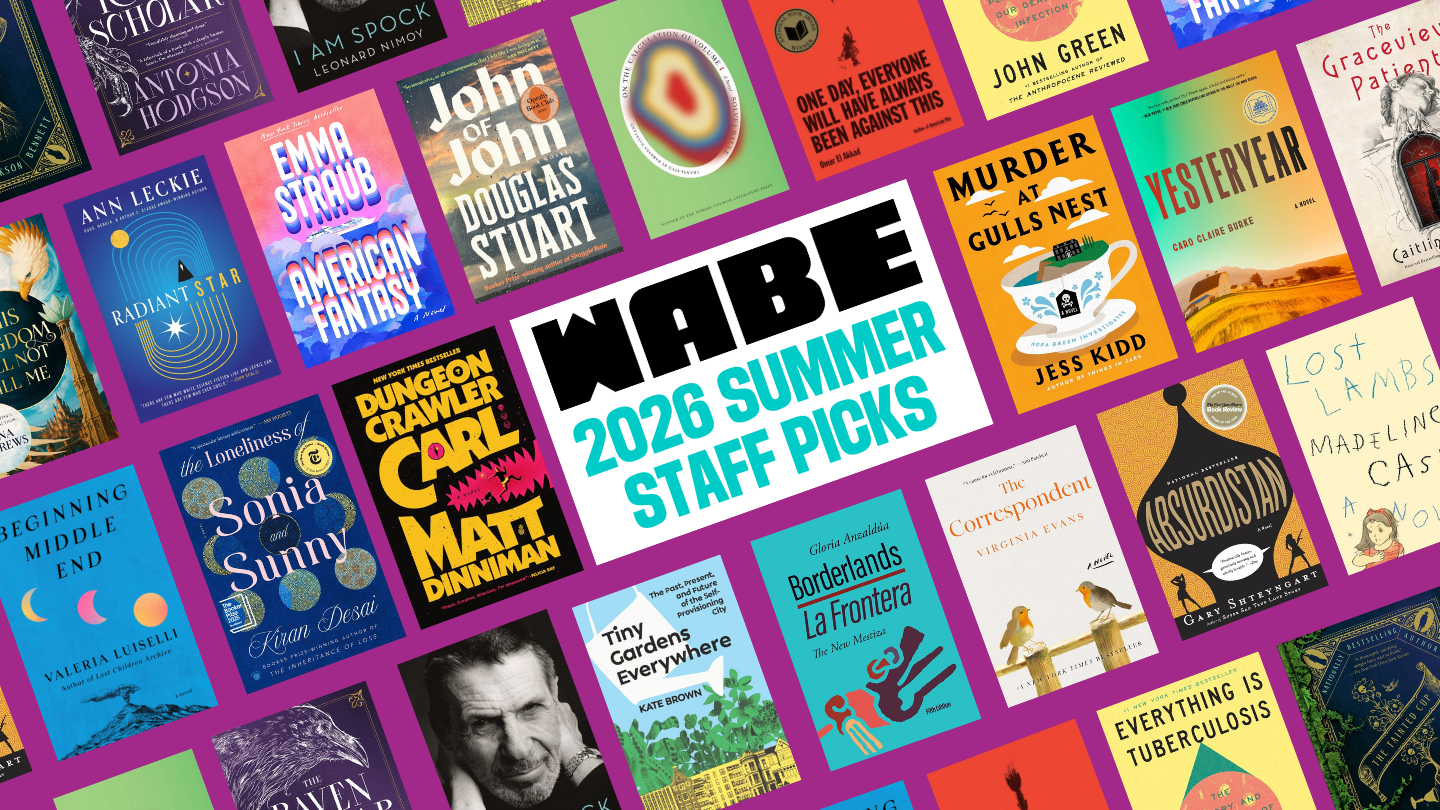
The folks at WABE take summer vacation very seriously, so it’s no surprise we also need to have a steady roster of great books ready to dive into. Click on the staff member’s picture to see their summer reading recommendations. And be sure to check out our official WABE Summer Reading List for even more great things to add to your list.
Explore the Shop Local tab and visit one of Atlanta’s many incredible booksellers!
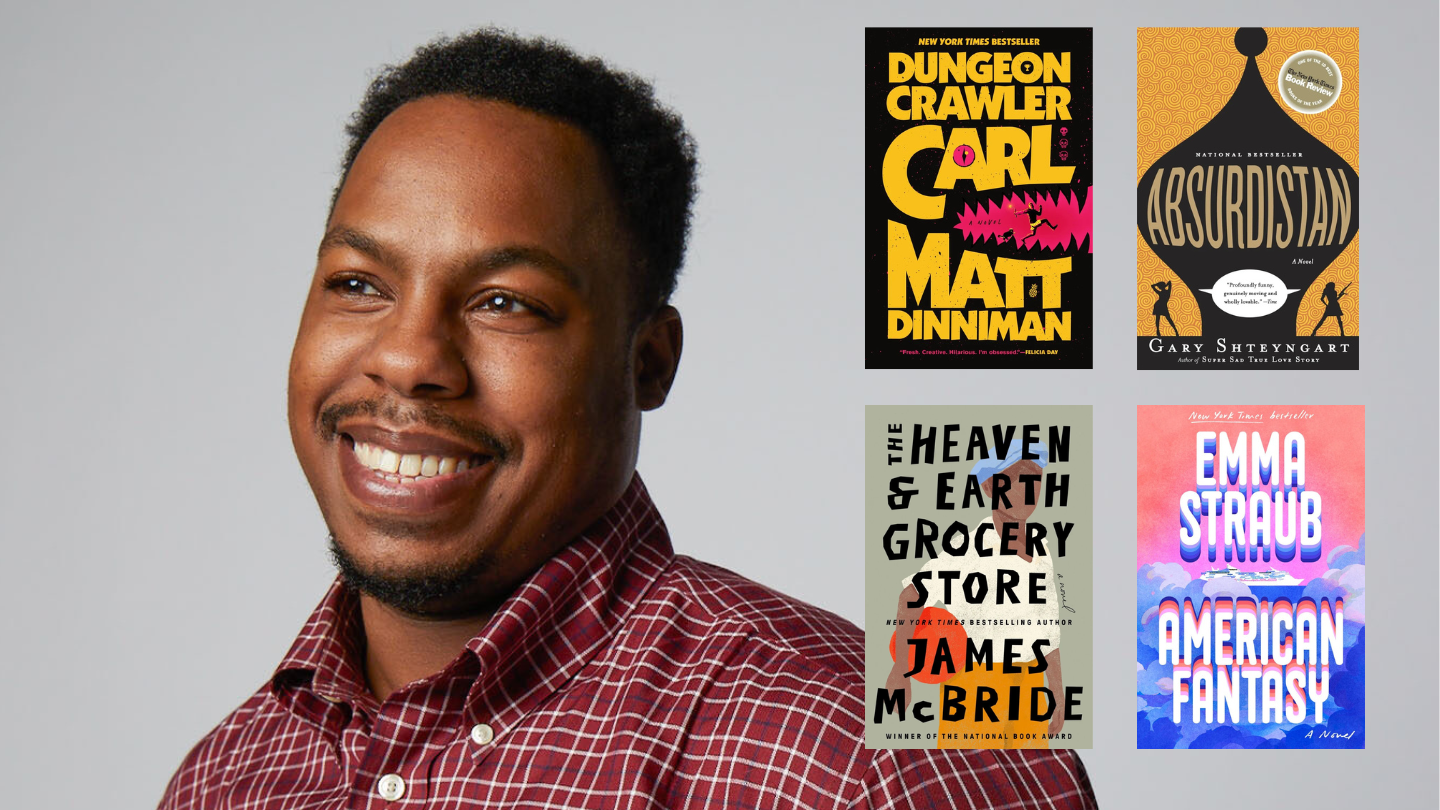
Christopher Alston
News Producer
“Dungeon Crawler Carl” by Matt Dinniman
Recommended to me by seemingly half the people I know, funny and exciting, especially for anyone who enjoys RPG tabletop or video games
“Absurdistan” by Gary Shteyngart
As the title would suggest, a little absurdist sociopolitical satire that’s almost ridiculous enough to help keep current events in perspective
“The Heaven & Earth Grocery Store” by James McBride
One that’s been on my list since it came out but just got around to, an engrossing story that gives an interesting look into early 20th Century Black and Jewish relations
“American Fantasy” by Emma Straub
An NPR book recommendation that looks like a fun, enjoyable read for summer.
Nichole Arnault
Major Gift Officer
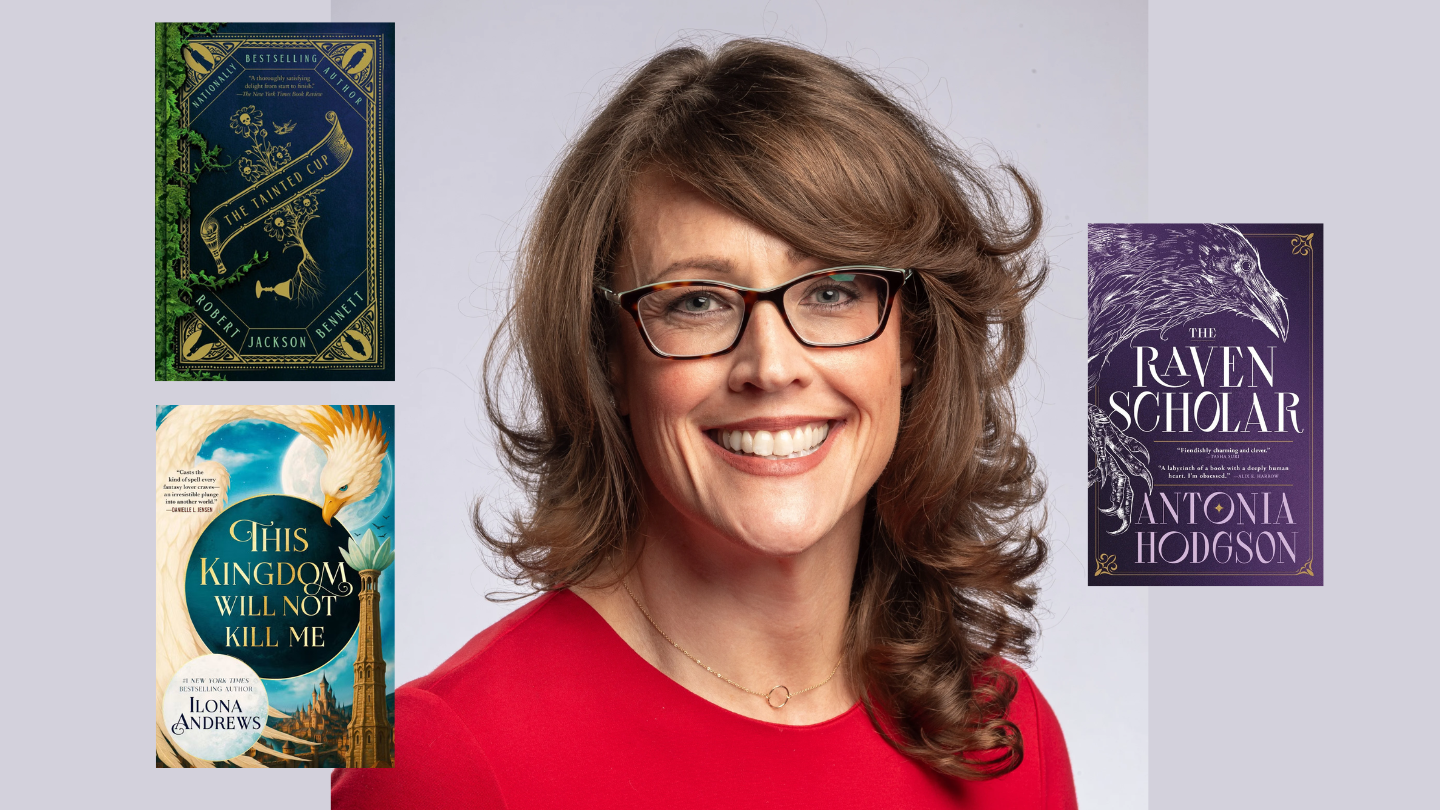
“The Tainted Cup” series by Robert Jackson
The Tainted Cup series by Robert Jackson. Love when a sequel (A Drop of Corruption) is even better than the original.
“This Kingdom Will Not Kill Me” by Illona Andrew
Distinctive, internally coherent world-building; layered political and interpersonal dynamics; and plots driven more by strategy, power, and competence than by romance tropes or relationship drama.
“The Raven Scholar” by Antonia Hodgson
Absolute favorite: The Raven Scholar by Antonia Hodgson. So brilliant. So, so brilliant.
Unique & well-done notables that deserve attention: “Someone You Can Build a Nest In” by John Wiswell, the entire “Murder Bot” series by Martha Wells, and “The Bat Eater and Other Names for Cora Zeng” by Kylie Lee Baker
Rebecca Etter
Sr. Digital News Editor
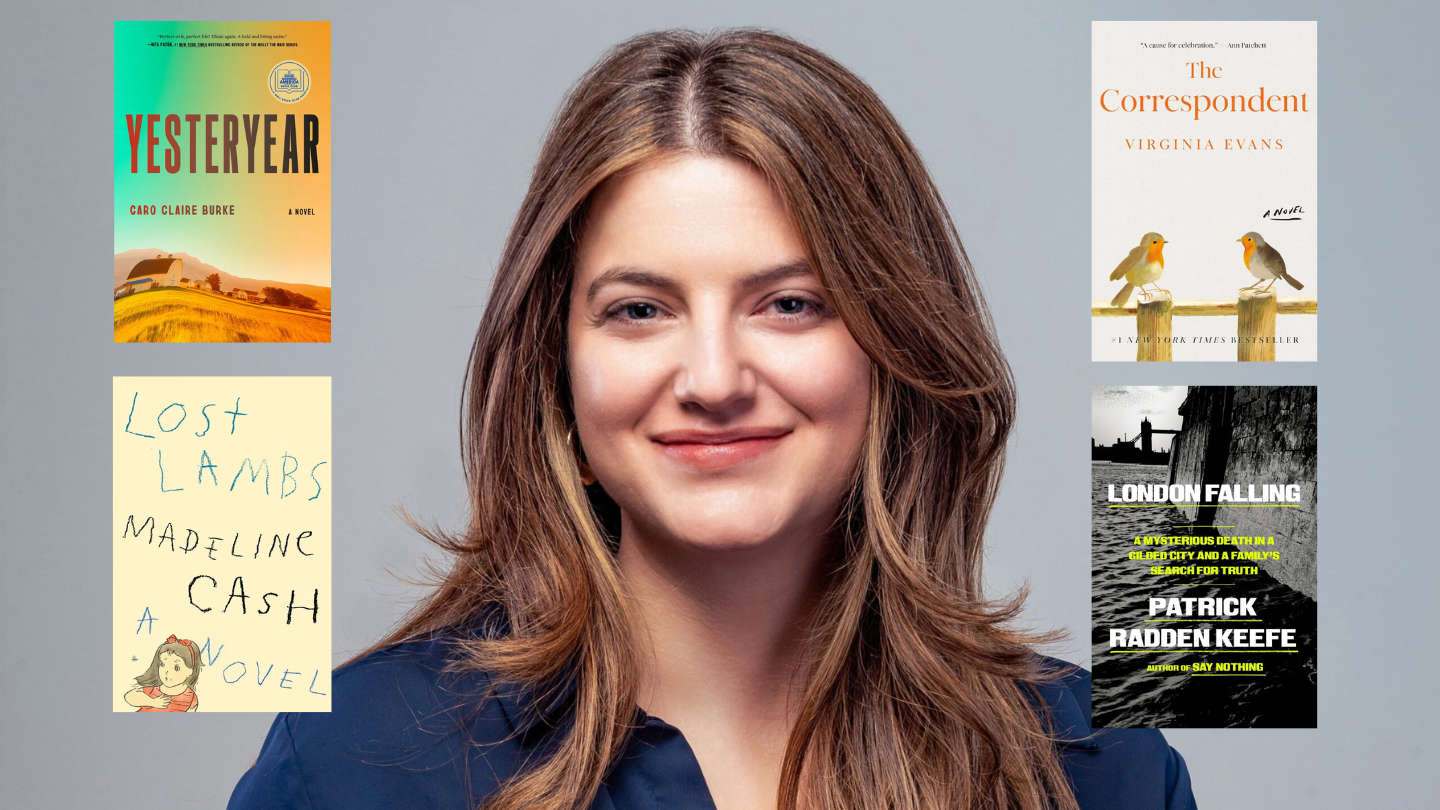
“The Correspondent” by Virginia Evans
I’m so excited to read “The Correspondent” by Virginia Evans. When I was a kid, I found all the letters my grandpa wrote my grandma while he was stationed in Germany. As a result, I gravitate towards epistolary novels that tell a story through intimate documents like letters or diary entries. It feels like discovering buried treasure.
“Yesteryear” by Caro Claire Burke
I had BIG feelings about this book. It got me out of a month-long reading slump, and I flew through it. Natalie is a tradwife influencer who wakes up one morning in the 1800’s. It challenges you to stick with a truly unlikable and flawed protagonist. A debut novel from Burke, she masterfully weaves threads of misdirection through the novel that give way to one of the better plot twists I’ve read in a while. Worth the hype.
“Lost Lambs” by Madeline Cash
Recently, I was buying a copy of “The Year of Magical Thinking” by Joan Didion — IYKYK — and a staff member suggested this as a palate cleanser. I read it in just a few days, and I can’t recommend it enough. A story about a family falling apart in a way that is both humorous and hopeful. Cash manages to infuse some pretty serious themes without ever losing her wit or light touch. If you liked “The Bee Sting” by Paul Murray or stories about dysfunctional families, you’ll love this.
“London Falling” by Patrick Radden Keefe
“Say Nothing” by Patrick Radden Keefe was one of my favorite reads over the past few years. The way he packaged a nearly complete history of The Troubles in Northern Ireland through firsthand accounts was so impressive that I’ll read anything by him. I’m interested to see whether I feel as strongly about his latest true-crime book without the same historical highway.
Melissa Feito
IT Manager
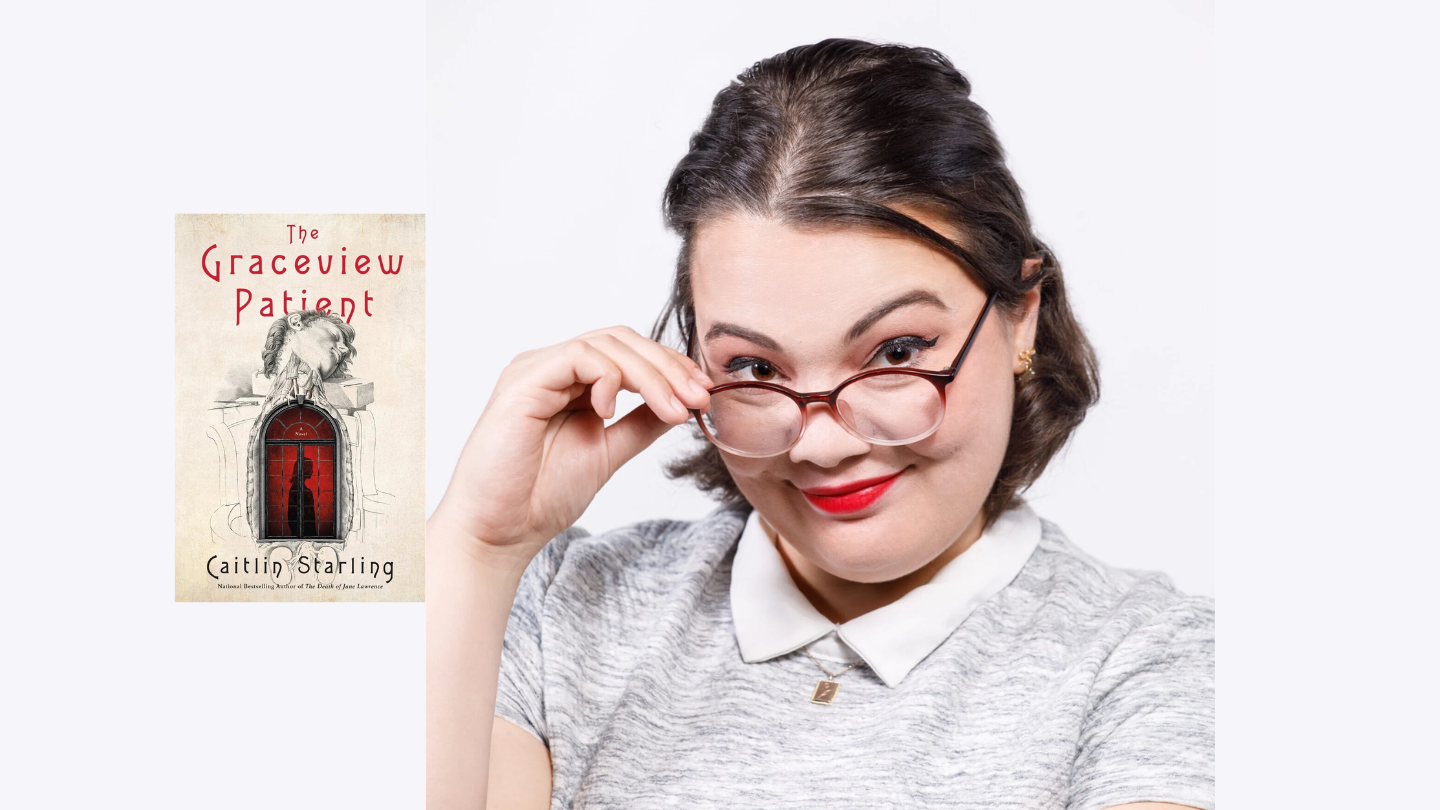
“The Graceview Patient” by Caitlin Starling
I just finished “The Graceview Patient” by Caitlin Starling. I’ve enjoyed many of her novels, including “The Death of Jane Lawrence,” a gothic medical horror, and “Last To Leave The Room,” a sci-fi thriller about doubles. This one follows a young woman with a rare autoimmune disease who enters a residential trial where her immune system will be destroyed and built back up, hopefully, now functioning normally. But things are very suspicious at this hospital from the get-go, and only get worse from there. This read was claustrophobic, engrossing, but rather short… more please!
Casey Hoskins
IT Manager
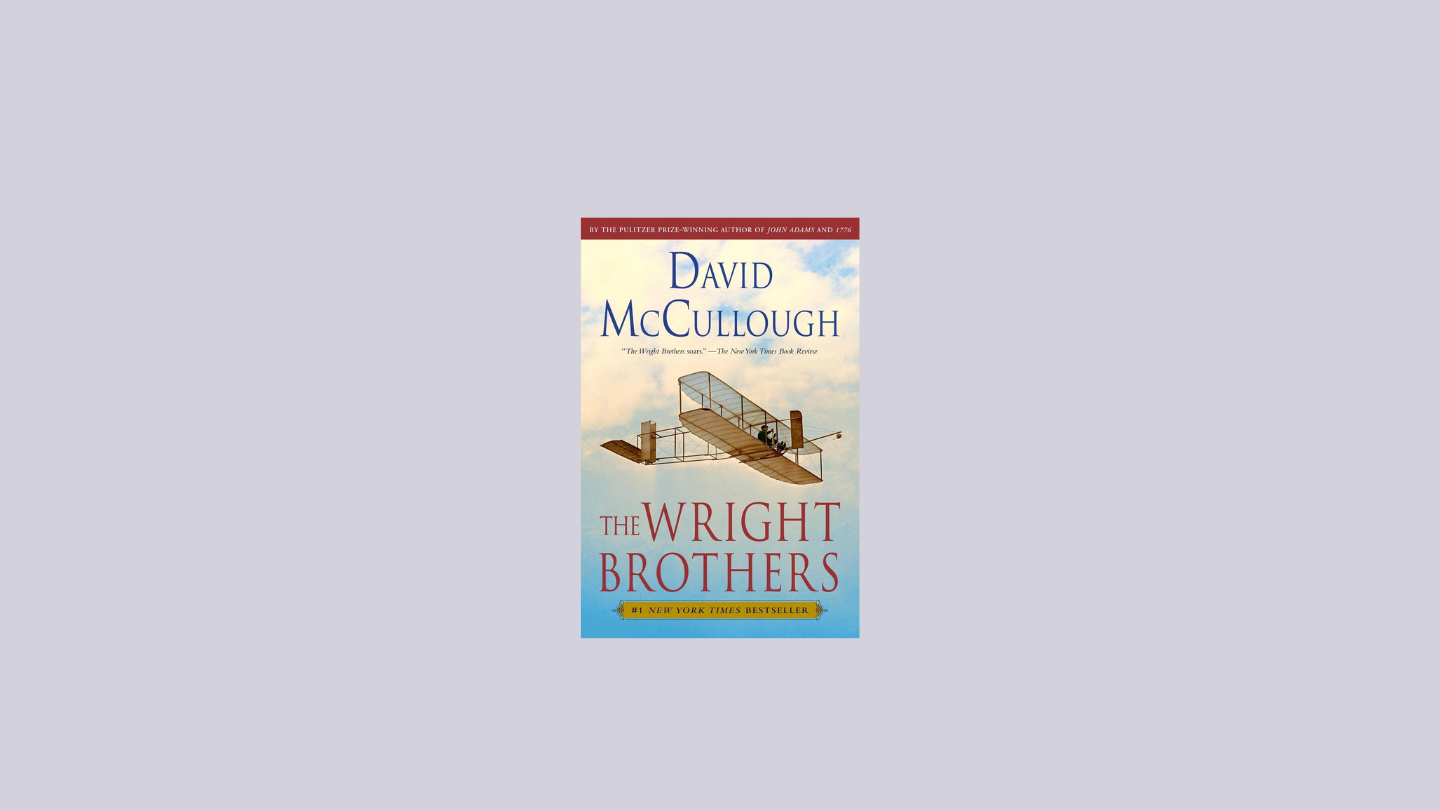
“The Wright Brothers” by David McCullough
It’s a great lesson in perseverance and following your passion.
Marisa Mecke
Environment Reporter
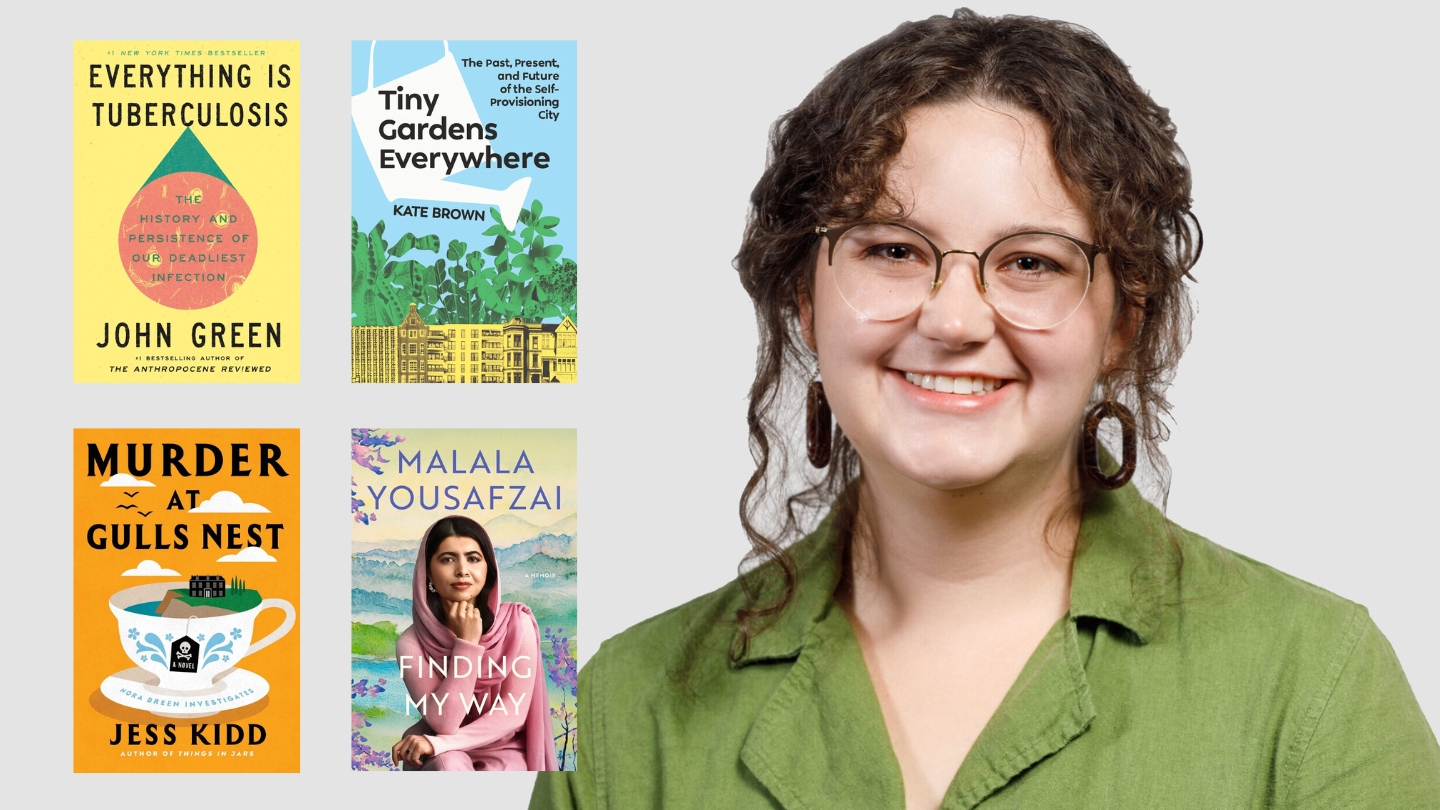
“Everything is Tuberculosis” by John Green
Had to include a science book for the list! Green’s second adult, nonfiction book was a major hit for me, covering the cultural, social and political history of a disease many folks in the U.S. probably don’t know nearly enough about. As a not-scientist covering science subjects, I really appreciated the storytelling of this book and the way Green weaves in interviews, personal narrative and historical accounts. It’s a short read, the writing is efficient and tight — yet Green never fails to deliver the emotional, human element underscoring the book.
“Tiny Gardens Everywhere” by Kate Brown
I moderated a book talk with Brown this spring for A Cappella Books, and I will say this book surprised me in every best way possible. “Tiny Gardens Everywhere” tells the story of urban gardening and farming across the world through different eras, highlighting the political, economic and sociological forces shaping — and forcibly undoing — sustenance farming communities. While many write off gardening as a pastime, a hobby, or something that has “nothing to do with politics,” Brown explores the deep ways in which our food systems and farms are products of so many driving forces. I came away from it appreciating gardens far more, and the communities that lend their time, money and hands to fostering them.
“Murder at Gulls Nest” by Jess Kidd
This is a quintessential cozy mystery. The prose is great, the main character, a nun who leaves her abbey in search of a missing pupil, is complex and witty and fun. I read this last fall, but I’m adding it to the list because Kidd has another book coming out this summer, set in the same town as her first book in this series, and I’ll be reading as soon as it hits the shelves!
“Finding My Way” by Malala Yousafzai
I’ve just started reading “Finding My Way” by Malala Yousafzai – she and I are just about the same age, and like many people in the U.S., I recall my teachers showing us the news updates following her shooting by the Taliban. I’m looking forward to reading this work focusing on her 20-something years. From the interviews I’ve seen while touring for her book, Yousafzai highlighted how people often think of her frozen in time as a young teen, and how a lot of people think she lived decades and decades ago. She is bright, quippy and has a hilarious sense of humor (would highly recommend listening to the episode of the podcast Normal Gossip she guest hosted). I can’t wait to dig into this book and hear about her life post-Nobel Peace Prize, her college years, and navigating her trauma, advocacy, and joys as a young adult.
Daniel Rayzel
Closer Look Producer
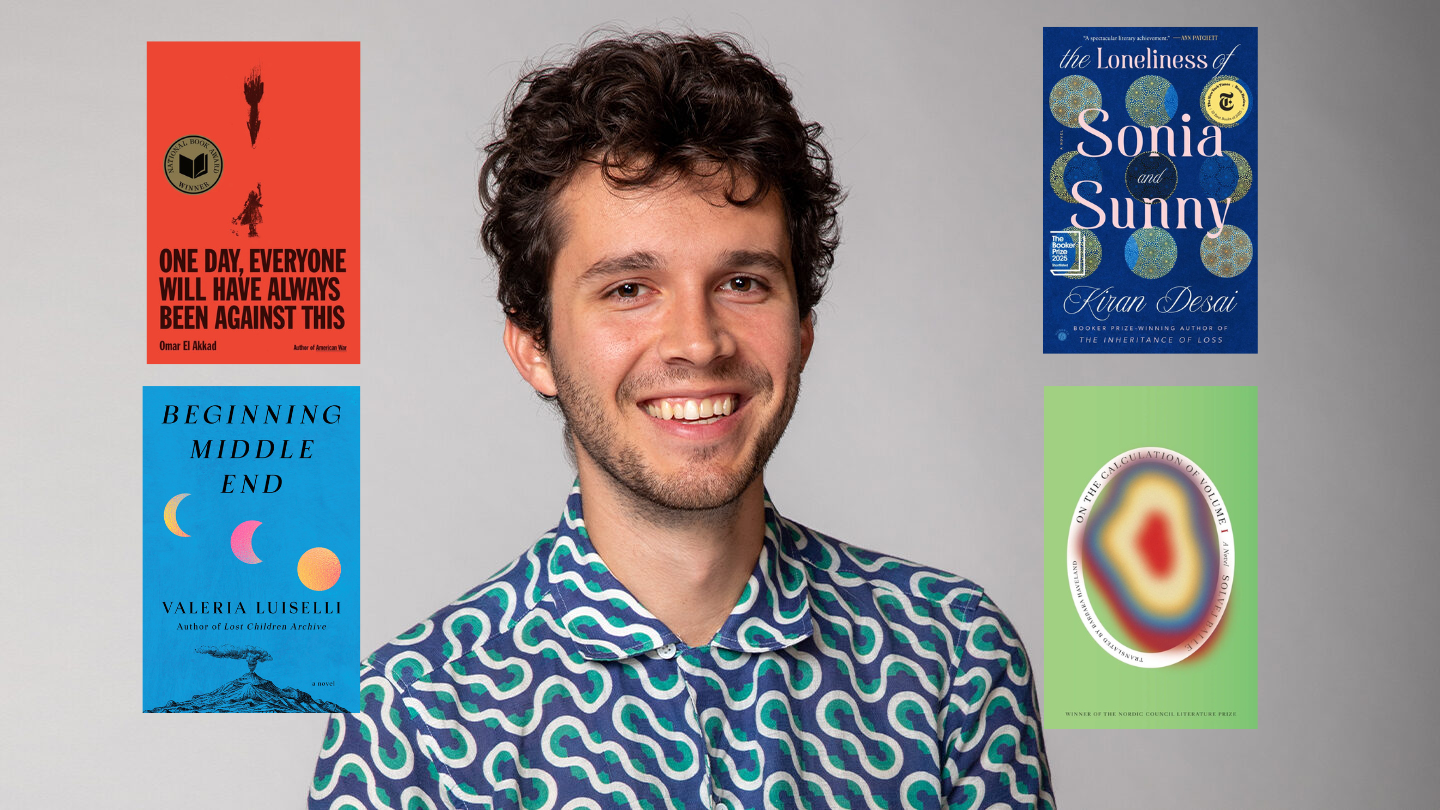
“One Day, Everyone Will Have Always Been Against This” by Omar El Akkad
This book examines the hypocrisy of Western values, particularly in journalism on Palestine, but also in ironic cultural obsessions and the memorialization of people who were once ostracized. I really appreciated El Akkad’s description of segregation within the world’s growing immigrant class: a divide between those who receive “a homecoming,” and those who experience “only departure after departure.” A deeply necessary read for journalists and for anyone trying to untangle contemporary politics.
“The Loneliness of Sonia and Sunny” by Kiran Desai
One of my favorite books from late last year, and one that I can’t stop ruminating on. Beautiful, measured pacing that matches the uneasiness of life as a young immigrant chasing assimilation at the expense of so much more. Among the dog-eared pages of my copy is this line that stuck with me: “If we have any intelligence or any heart, we have to search for ourselves backward.”
“Beginning Middle End” by Valeria Luiselli
Valeria Luiselli is one of my favorite authors. Reading “Tell Me How It Ends” was transformative and is what first hooked me on her writing, but her fiction work made me a dedicated fan. I’ll be picking up “Beginning Middle End” as soon as it comes out this summer!
“On the Calculation of Volume (Book I)” by Solvej Balle
A heartbreaking (and somewhat horrifying) meditation on what it’s like to live the same day over and over again. What stood out to me is how this book’s protagonist doesn’t wake up in a fixed location, breaking from the usual “time loop” genre. I’m excited to catch up on the series while the final three books await an English translation.
Kevin Rinker
Podcast Producer
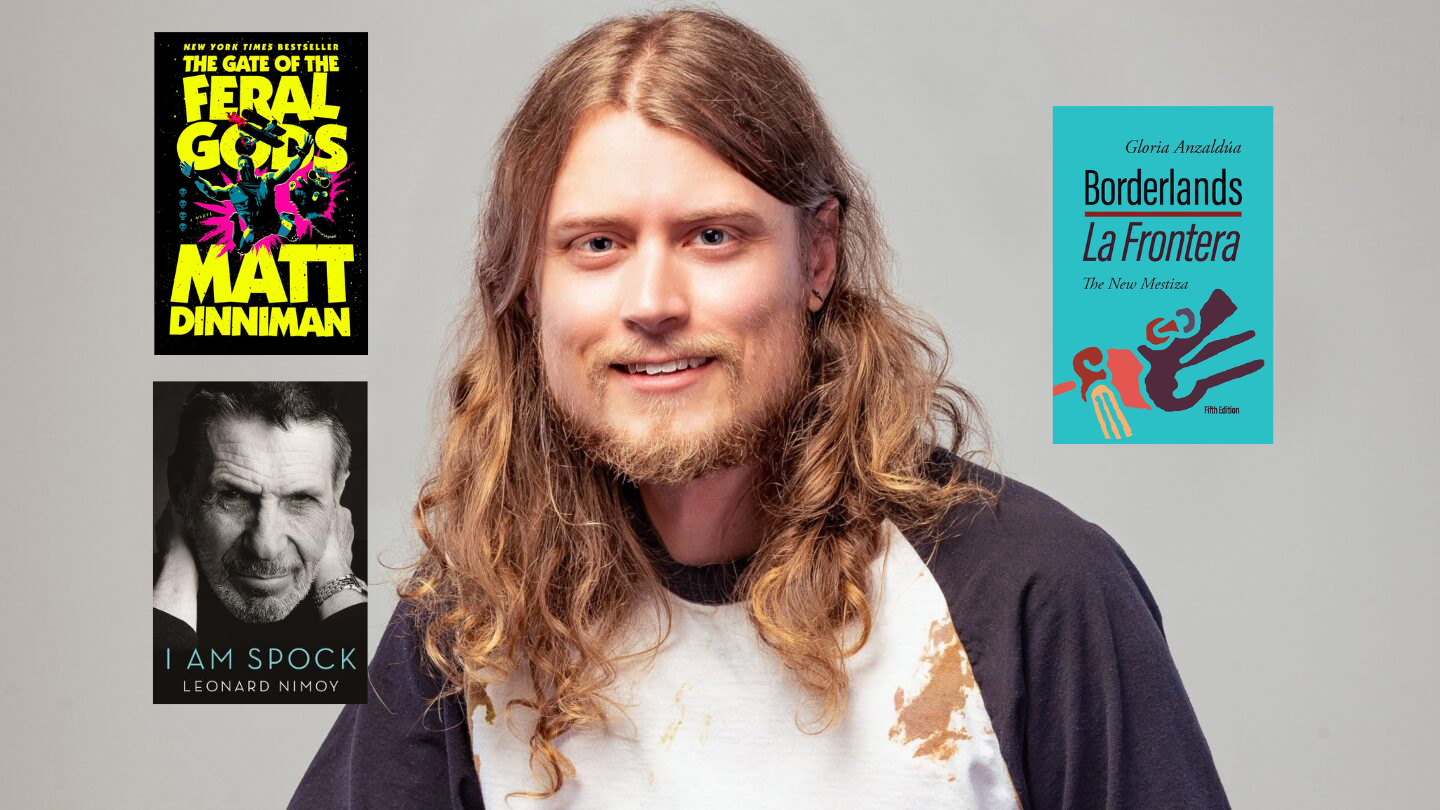
“The Gate of the Feral Gods” by Matt Dinniman
I cannot get enough of Matt Dinniman’s “Dungeon Crawler Carl” series and am in the middle of the fourth book of the series, “The Gate of the Feral Gods,” right now. It has ruined all other books for me because it is so insanely fun to read. Seriously, I read the classic “Watership Down” between two of the DCC books and found myself wondering what Carl and Princess Donut were up to the entire time. What could have been a shallow, violent story about a post-apocalyptic alien takeover of Earth turned out to be a chaotic, violent, over-the-top-yet-surprisingly-human-and-empathetic story of survival and resistance during a post-apocalyptic alien takeover of Earth. If that doesn’t sell if for you, maybe knowing that one of the central characters is a talking cat that can shoot missiles out of her eyes will.
“Borderlands / La Frontera: The New Mestiza” by
I was recently recommended “Borderlands / La Frontera: The New Mestiza” by Gloria Anzaldúa by someone who grew up in Tijuana, Mexico, which shares the United States-Mexico border with San Diego, California. He told me how living between those two worlds actually creates a third country in which a new culture is born, purely related to the border. As we talked further, he explained that was the central idea put forth in Anzaldúa’s book, who, like him, also grew up on the U.S.-Mexico border. With the never-ending focus on borders and immigration in the news and politics, I immediately wanted to read the book to better understand this so-called third country and the people who inhabit it. “Borderlands” is a mixture of essays and poems and switches between Spanish and English, so I’m looking forward to having both my language skills and my understanding of the world challenged and expanded.
“I Am Spock” by Leonard Nimoy
I’m not well-versed in autobiographies. I tend to stick with speculative fiction and the occasional historical non-fiction, but after finishing a multi-year effort to watch all available Star Trek TV shows and movies (which I highly recommend doing, but this is for book recommendations so I can’t talk about that here) in 2024, I found that Leonard Nimoy, most famous for portraying the Vulcan known as Spock in Star Trek, had written not one, but two autobiographies. The first, “I Am Not Spock,” came out in 1975, between the end of “Star Trek: The Original Series” and the franchise’s rebirth as “The Next Generation.” In it, Nimoy examines his relationship with the character Spock and how it shaped the public’s perception of him. Twenty years later, his second autobiography titled “I Am Spock” was released well into Star Trek’s renaissance. Having read “I Am Not Spock” last year, I’m excited to read the follow-up and learn how Nimoy’s perception of himself and Spock changed as both of their fame endured well after “The Original Series.”
Molly Samuel
Deputy Managing Editor
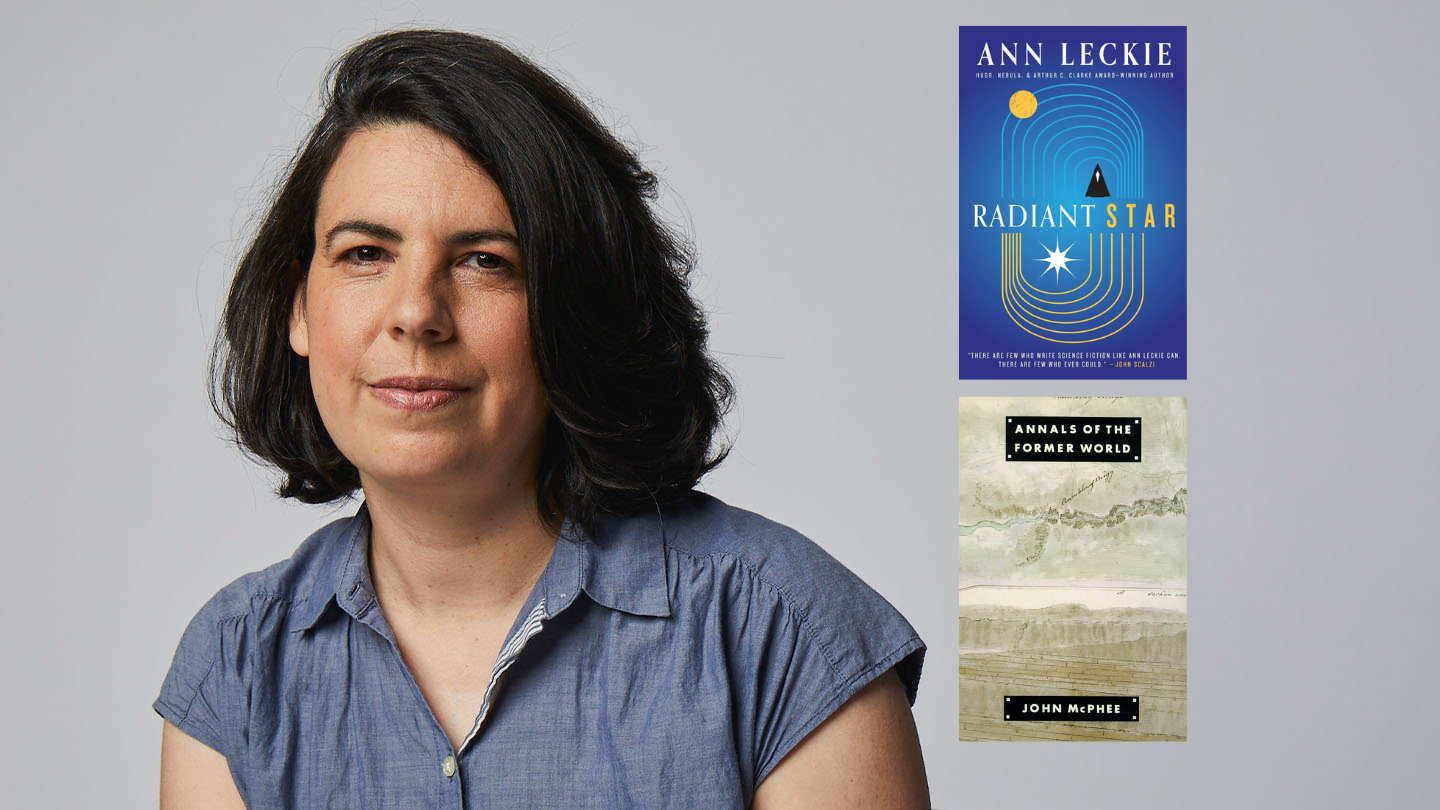
“Radiant Star” by Ann Leckie
I’m looking forward to reading Radiant Star, a new book set in the Imperial Radch world that came out this spring. I love science fiction, especially space opera, especially these books by Ann Leckie. Intelligent ships, an aggressively polite tea-drinking empire that doesn’t recognize different genders led by an emperor who’s copied her mind into clones that don’t all agree, rebellions, aliens; it is probably not for everyone but I’m a fan.
“Annals of the Former World, here I come.” by John McPhee
One of the great things about having zero travel plans this summer is I can read a gigantic book that would be too annoying to carry on a plane. Annals of the Former World, here I come. It’s John McPhee’s Pulitzer Prize-winning book about American geology and geologists, and it’s been sitting on a bookshelf for years while I happily read piles of other easier to carry John McPhee paperbacks.
Patrick Saunders
Supervising Digital News Editor
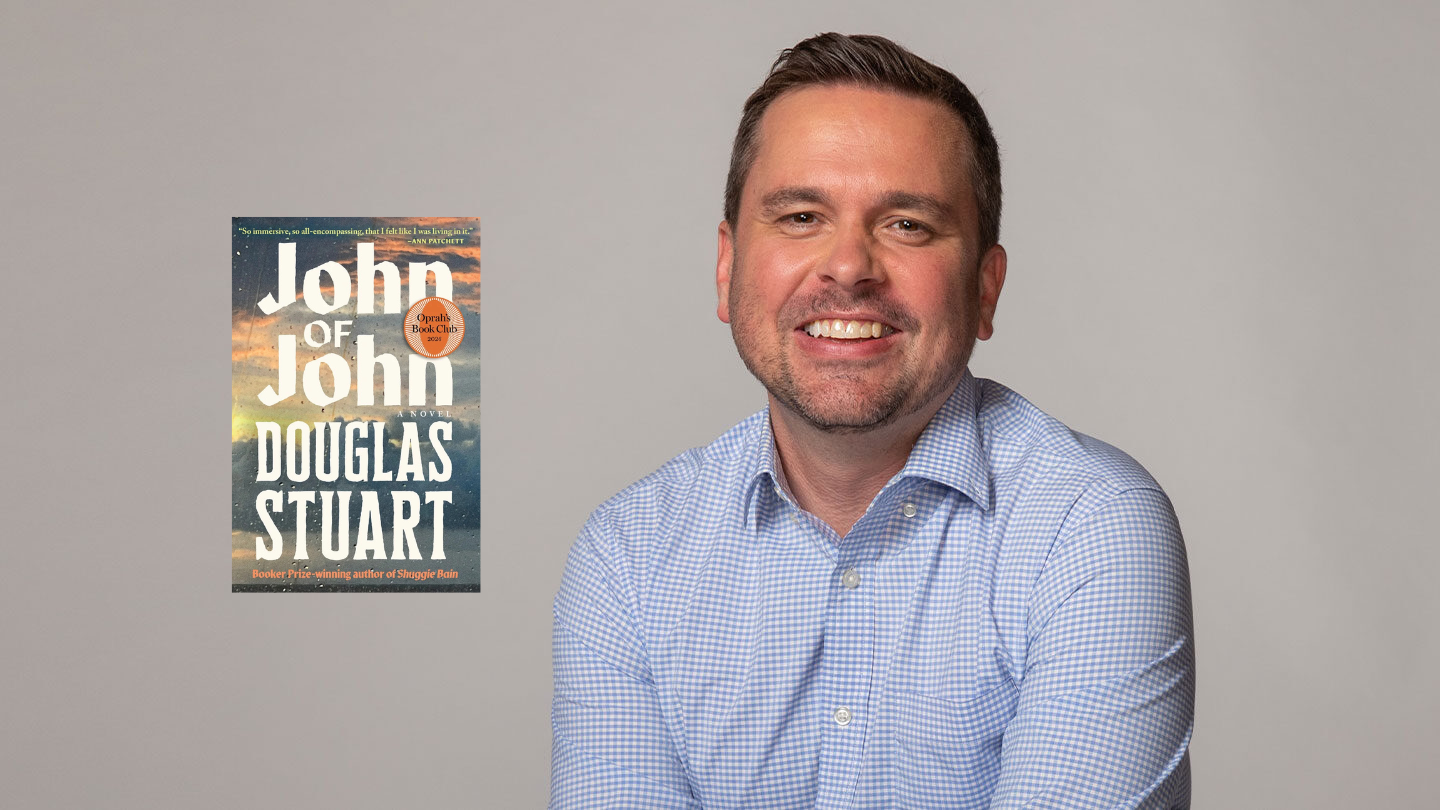
“John of John” by Douglas Stuart
Just started this novel about a gay man who runs out of money at art school and returns to his rural Scottish hometown and his religious sheep-farmer dad. I love Douglas Stuart’s other books, so I’ve been looking forward to this one.
Emily Wu Pearson
Immigration Reporter
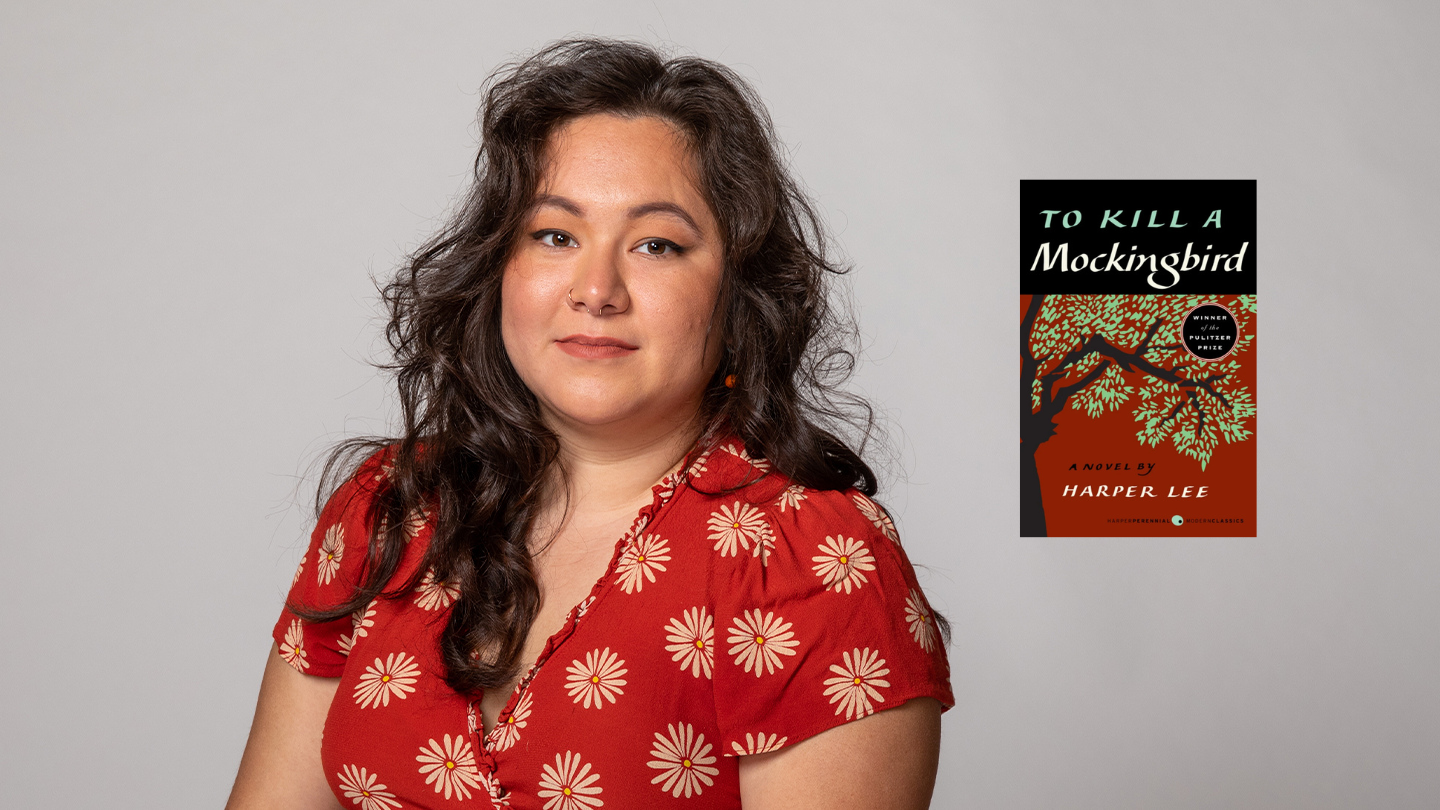
“To Kill a Mockingbird” by Harper Lee
I was never assigned this novel in school and am trying to catch up on books in the cultural zeitgeist. I COMPLETELY understand why this book was assigned reading for students! Harper Lee’s luxurious Southern Gothic writing paired with the moving coming-of-age story rooted in a core moral dilemma that is foundational to who we are as a country is as relevant today as it was when it was published. While I am sad I didn’t get to experience this book as a child, the way each character made me feel as an adult will stay with me forever.