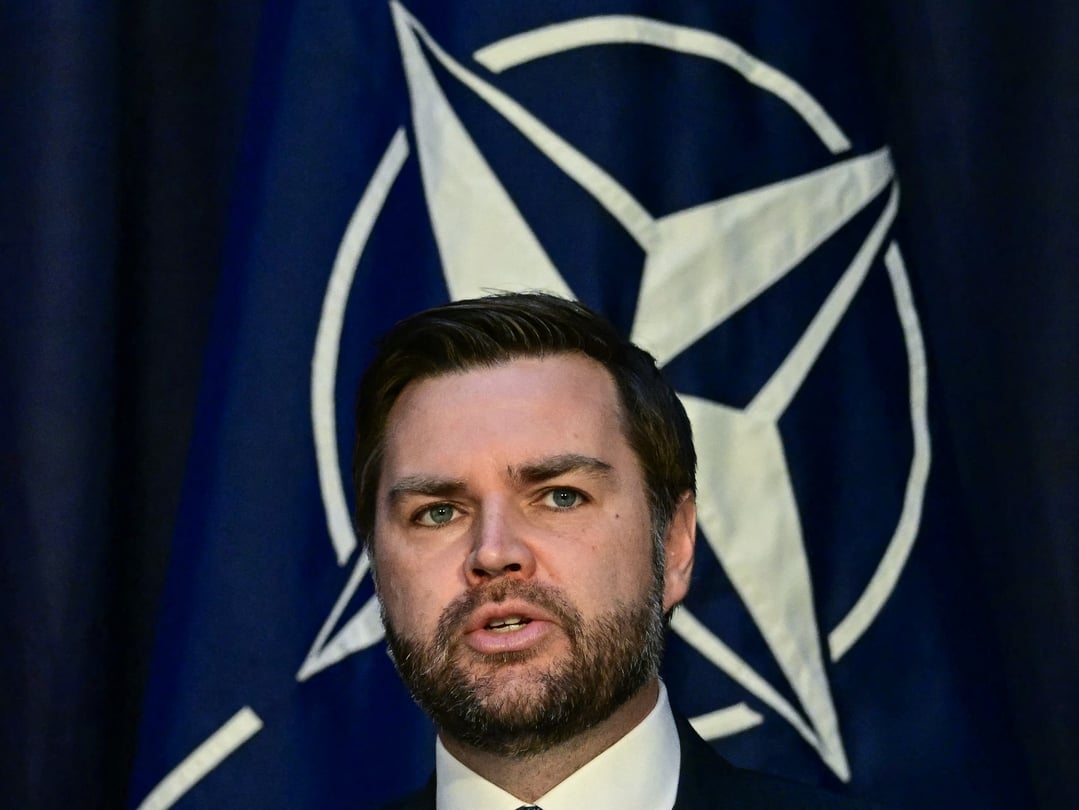
Following the Russian invasion of Ukraine three years ago, there was plenty of talk about the revitalization of the NATO alliance in response to Kremlin aggression.
The alliance had grown languid in the decades since the Cold War. Its reputation suffered further under President Trump, who, during his first term, was openly dismissive of NATO, praised Russian President Vladimir Putin and threatened to withdraw U.S. protection under NATO’s mutual defense clause unless European allies increased their defense spending.
However, after Russia’s assault on Ukraine, U.S. military aid began to flow to Kyiv under the Biden administration, and many of these concerns seemed to fade. Sweden and Finland, who had long stayed out of NATO, reversed course and became members in the last two years. Last year, then-Secretary of State Antony Blinken declared NATO “stronger, larger than it’s ever been.”
Read this story now for free
To continue reading, sign up for our newsletter and get unlimited access to WABE.org
You can select your preferences for news and local content. We will never share your email address. Learn how your newsletter sign-up will support WABE and Public Media