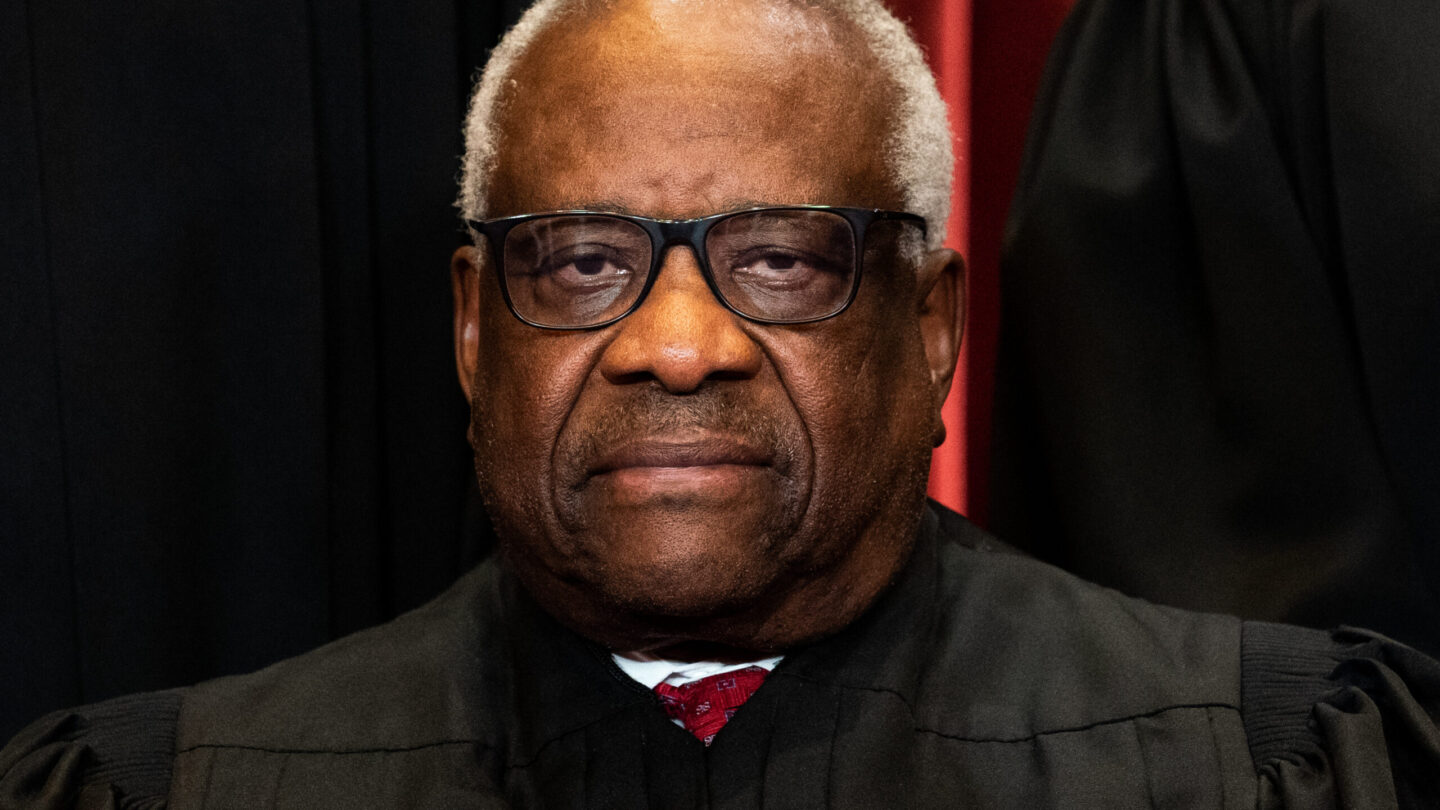
Supreme Court Justice Clarence Thomas and his wife, Ginni, find themselves increasingly in the eye of an ethics storm over her repeated texts urging then White House Chief of Staff Mark Meadows to take steps to overturn the 2020 presidential election results. Those texts have raised questions about what Justice Thomas knew about his wife’s activities, and when he knew it.
Each day seems to bring another piece of bad news for the couple–from reports that the House Jan. 6 committee intends to invite Mrs. Thomas to testify, to Monday’s decision by a federal judge in California finding that it is “more likely than not” that Donald Trump violated the law and “corruptly attempted to obstruct” Congress in his attempts to overturn the 2020 election results.
The decision came in a dispute between pro-Trump attorney John Eastman and the Jan. 6 committee, which was seeking a discrete set of documents. Eastman asserted that the documents were protected by attorney-client privilege, but U.S. District Judge David Carter largely rejected those arguments, ruling that Eastman must turn over 101 of the disputed 111 documents.
Read this story now for free
To continue reading, sign up for our newsletter and get unlimited access to WABE.org
You can select your preferences for news and local content. We will never share your email address. Learn how your newsletter sign-up will support WABE and Public Media