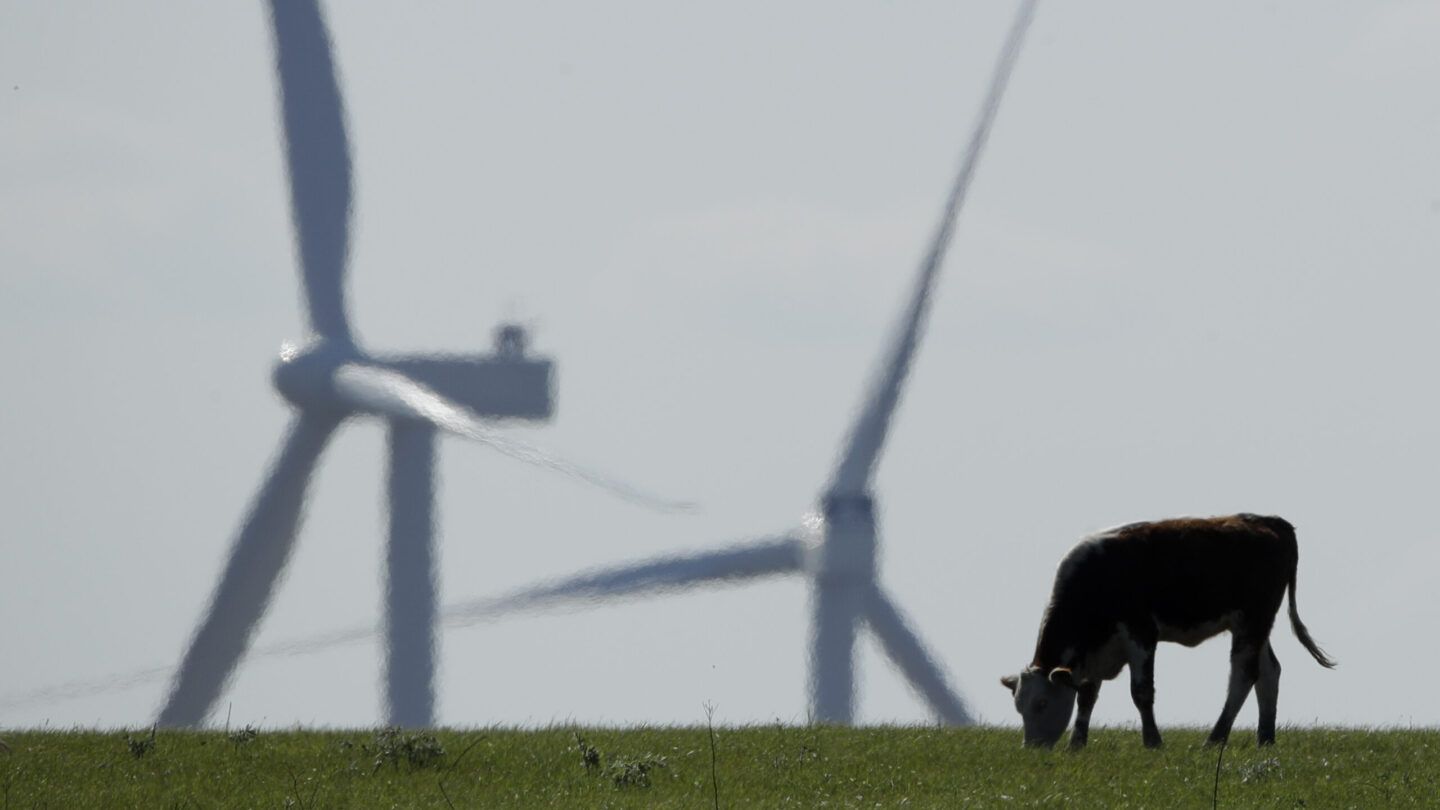
The climate deal reached last week by Senate Democrats could reduce the amount of greenhouse gases that American farmers produce by expanding programs that help accumulate carbon in soil, fund climate-focused research and lower the abundant methane emissions that come from cows.
The bill includes more than $20 billion to improve the agriculture sector’s impact on the environment, mostly by expanding existing U.S. Department of Agriculture programs that help farmers change to better practices. Farmers would be paid to improve the health of their soil, withstand extreme weather and protect their land if the bill is enacted.
The roughly $370 billion climate and energy spending deal would bring the country closer to cutting greenhouse gas emissions in half by 2030, according to new analyses. That is something many scientists say is important, and that President Joe Biden promised.
Read this story now for free
To continue reading, sign up for our newsletter and get unlimited access to WABE.org
You can select your preferences for news and local content. We will never share your email address. Learn how your newsletter sign-up will support WABE and Public Media