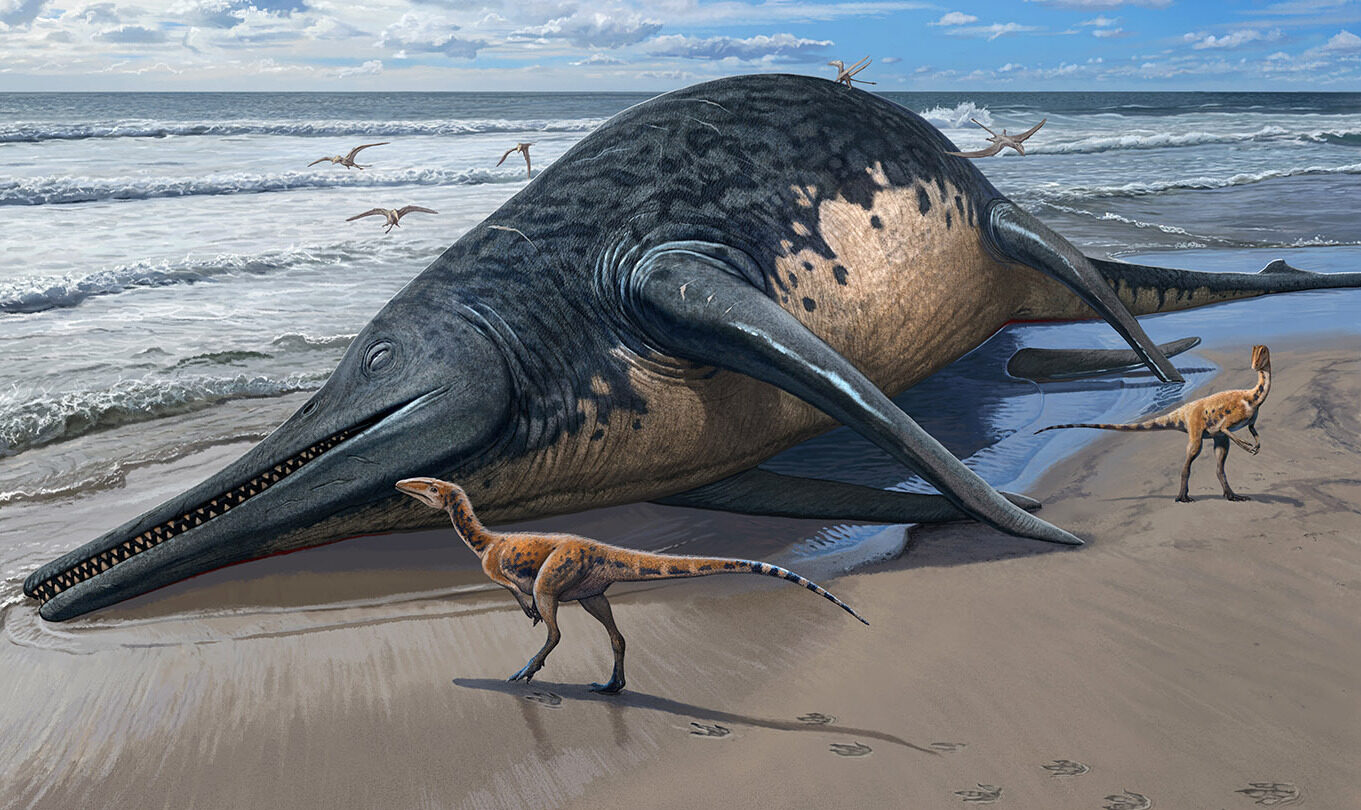
In late May 2020, 11-year-old Ruby Reynolds and her father, Justin Reynolds, drove to Blue Anchor, a seaside village in Somerset in southwest England, to hunt for fossils along the beach.
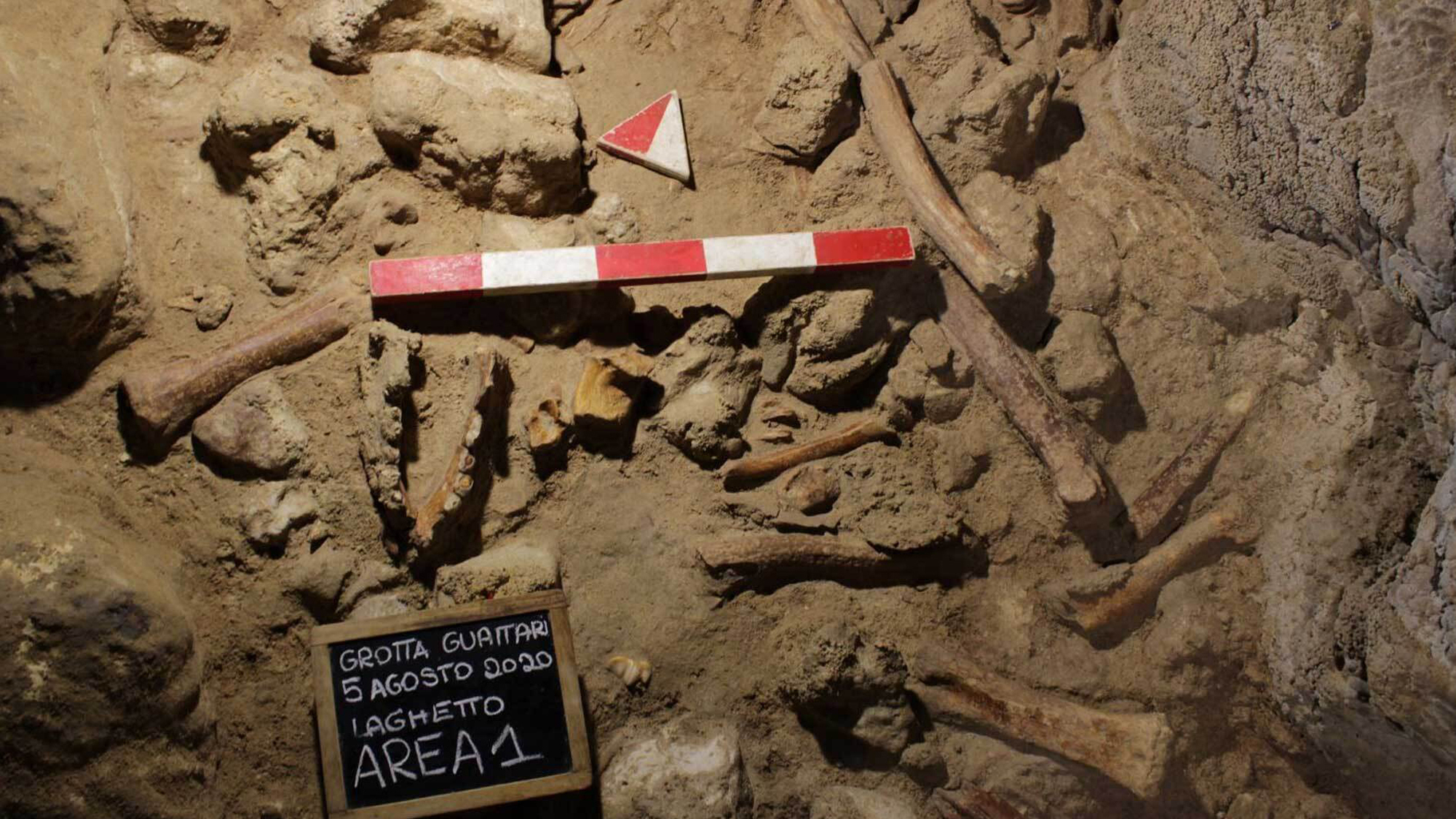
Upon arriving, they found that somebody had left a piece of fossilized bone at the top of the beach. It was about four inches long, which was “bigger than any piece of bone I’d ever found before,” says Justin. “So I was very excited and sat down to have a good look at it.”
Meanwhile, Ruby kept walking along the beach, eyes scanning the ground. She soon found a second piece of bone half buried in a mud slope that was twice as long as the first — and much better preserved. “It was just sort of lying there,” recalls Ruby. “I was just happy, really.”
Read this story now for free
To continue reading, sign up for our newsletter and get unlimited access to WABE.org
You can select your preferences for news and local content. We will never share your email address. Learn how your newsletter sign-up will support WABE and Public Media