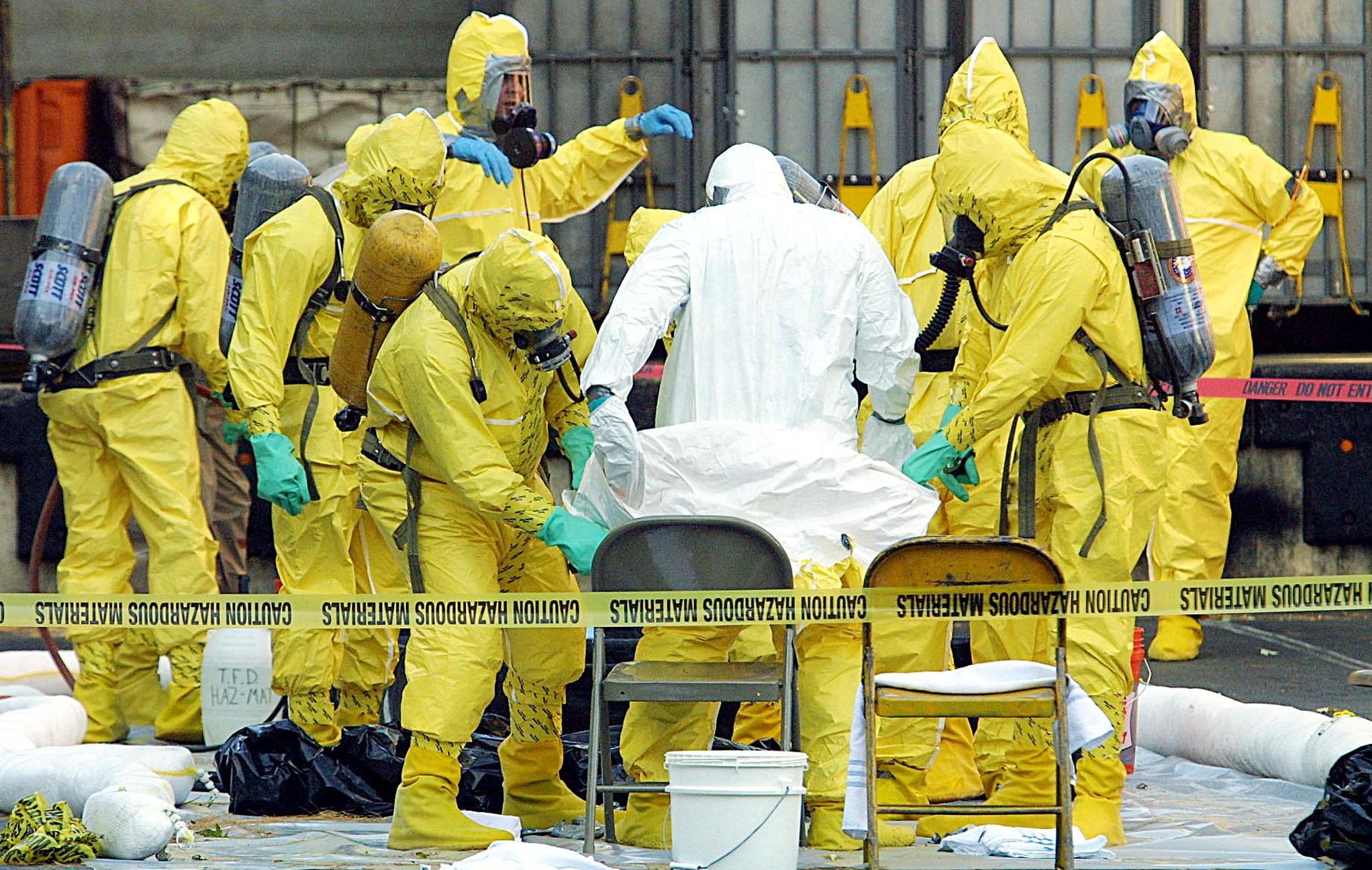
Just a week after the 2001 al-Qaida attacks terrorized the U.S., anonymous letters with anthrax spores began arriving at congressional offices and media companies, killing five people, infecting 17 and unleashing their own wave of fear.
The FBI investigated inconclusively for years. The main suspect, Army anthrax specialist Bruce Ivins, died by suicide in 2008. The FBI closed the case two years later, saying in a report that Ivins acted alone. The report offered strong circumstantial evidence, though not direct proof.
As this case demonstrated, parcel attacks can be hard to solve. But tighter security and better technology now make it much more difficult to evade detection, according to experts.
Read this story now for free
To continue reading, sign up for our newsletter and get unlimited access to WABE.org
You can select your preferences for news and local content. We will never share your email address. Learn how your newsletter sign-up will support WABE and Public Media