Amid a sea of dire climate change news, researchers say they’ve found a rare bright spot.
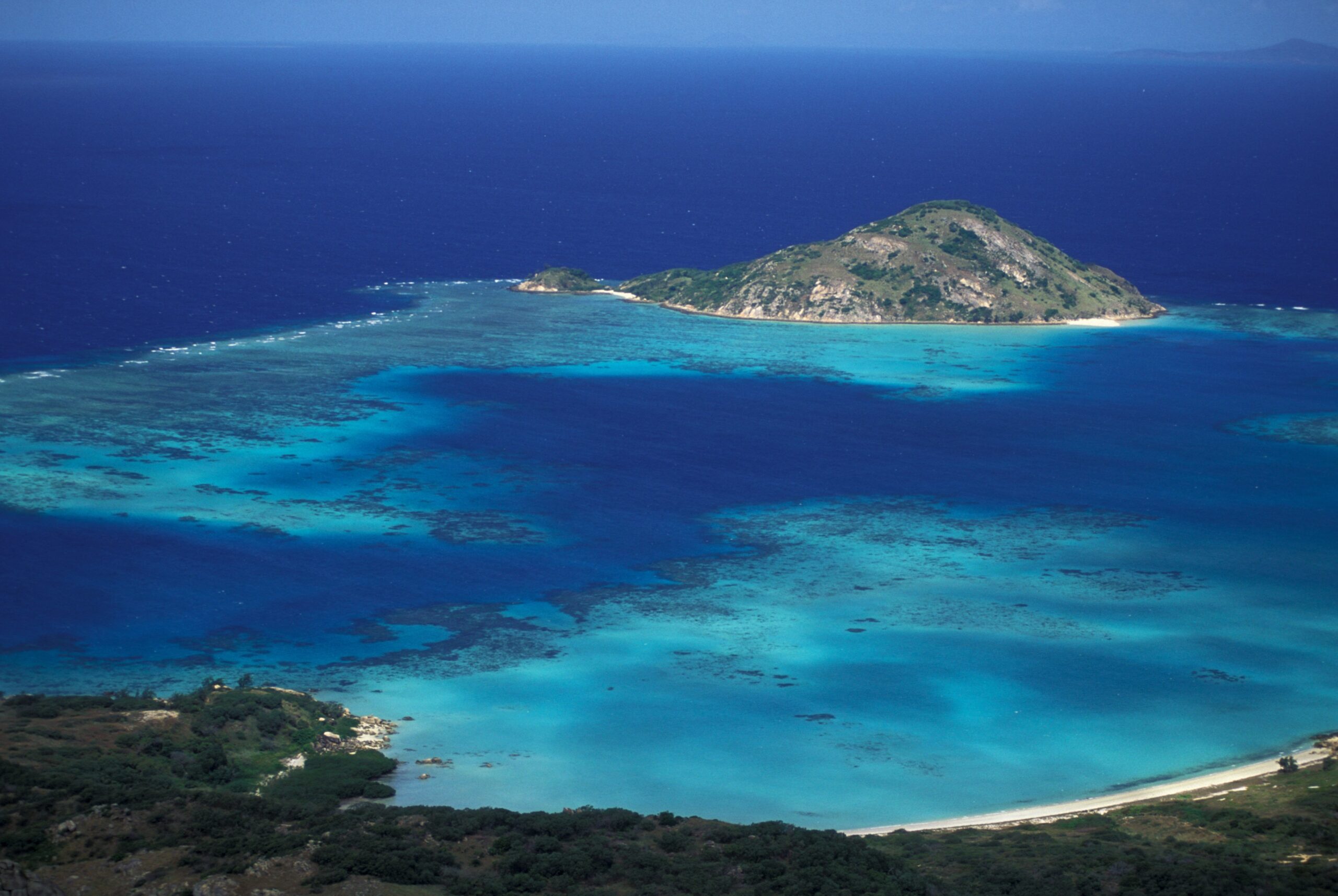
A meadow of seagrass among Australia’s Great Barrier Reef — estimated to be twice the size of New Jersey — is soaking up and storing carbon that would otherwise contribute to global warming.
Scientists call this carbon-removal powerhouse a “blue carbon sink.” The term refers to an ocean or coastal ecosystem — including seagrasses, salt marshes and mangrove forests — that captures carbon compounds from the atmosphere, effectively removing carbon dioxide, a known greenhouse gas that contributes to climate change.
Read this story now for free
To continue reading, sign up for our newsletter and get unlimited access to WABE.org
You can select your preferences for news and local content. We will never share your email address. Learn how your newsletter sign-up will support WABE and Public Media