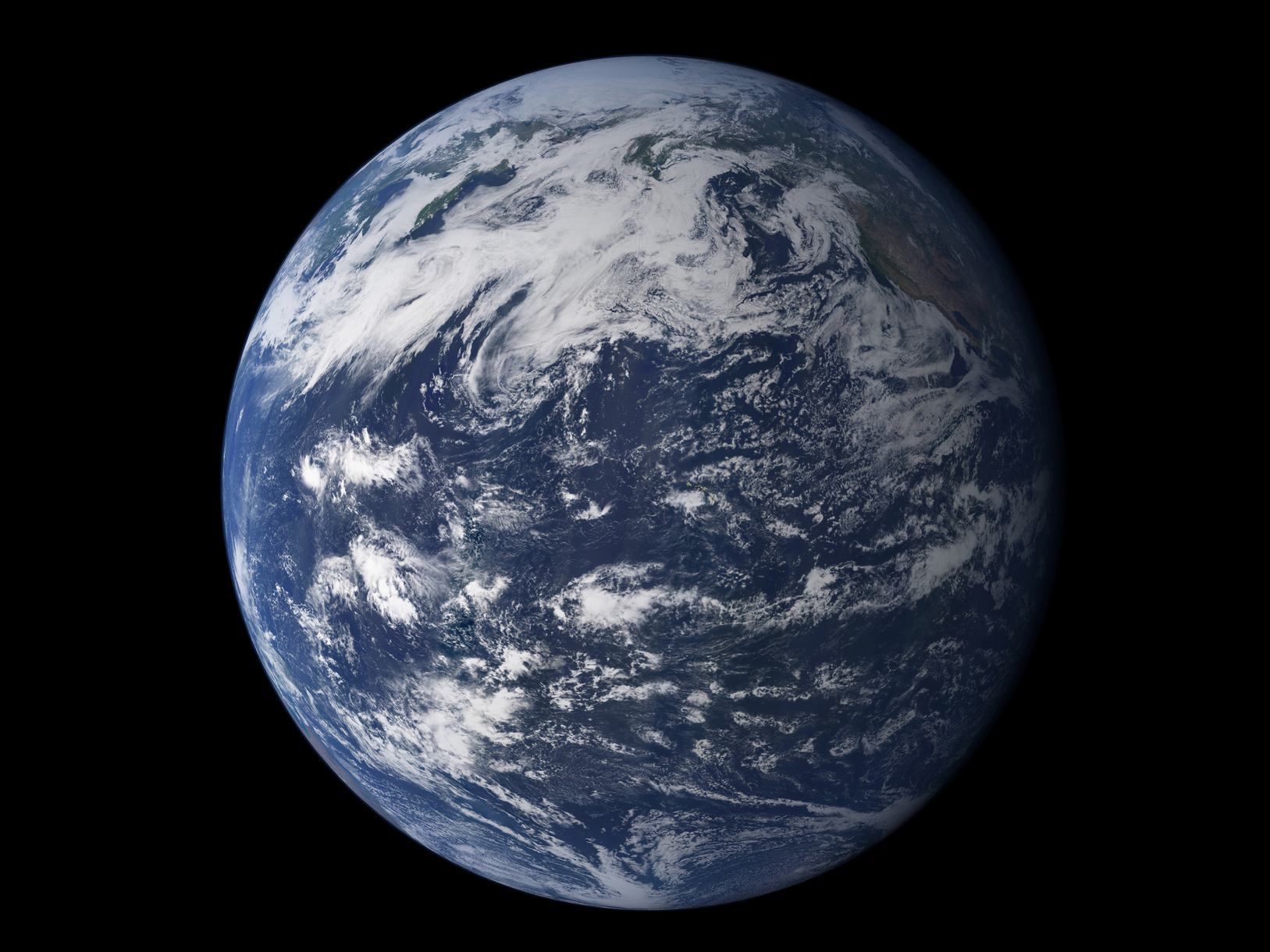
Water on Earth is omnipresent and essential for life as we know it, and yet scientists remain a bit baffled about where all of this water actually came from: was it present when the planet formed, or did the planet form dry and only later get its water from impacts with water-rich objects like comets?
A new study in the journal Science suggests that the Earth likely got a lot of its precious water from the original materials that built the planet, instead of having water arrive later from afar.
The researchers who did this study went looking for signs of water in a rare kind of meteorite. Only about 2% of the meteorites found on Earth are so-called “enstatite chondrite” meteorites. Their chemical makeup suggests that they’re very close to the kind of primordial stuff that glommed together and produced our planet 4.5 billion years ago.
Read this story now for free
To continue reading, sign up for our newsletter and get unlimited access to WABE.org
You can select your preferences for news and local content. We will never share your email address. Learn how your newsletter sign-up will support WABE and Public Media