Student success is directly linked to literacy. According to the latest data from the Georgia Council on Literacy, 62% of third graders are not reading on grade level. Access to books also plays an important role in early literacy. Data shows nationally, low-income neighborhoods have one book for every 300 children, compared to middle-income neighborhoods, which have 13 books per child.
The findings come as state lawmakers consider the Georgia Early Literacy Act of 2026, House Bill 1193 and Senate Bill 459. The proposed legislation aims to improve literacy through several strategies, including revising the “Georgia Early Literacy and DyslexiaAct,” under most circumstances, requiring all students to attend kindergarten prior to enrolling in first grade, as well as funding one full-time literacy coach for every school offering kindergarten through third grade. Earlier this week, 170 to 2 vote Georgia House of Representatives passed House Bill 1193.
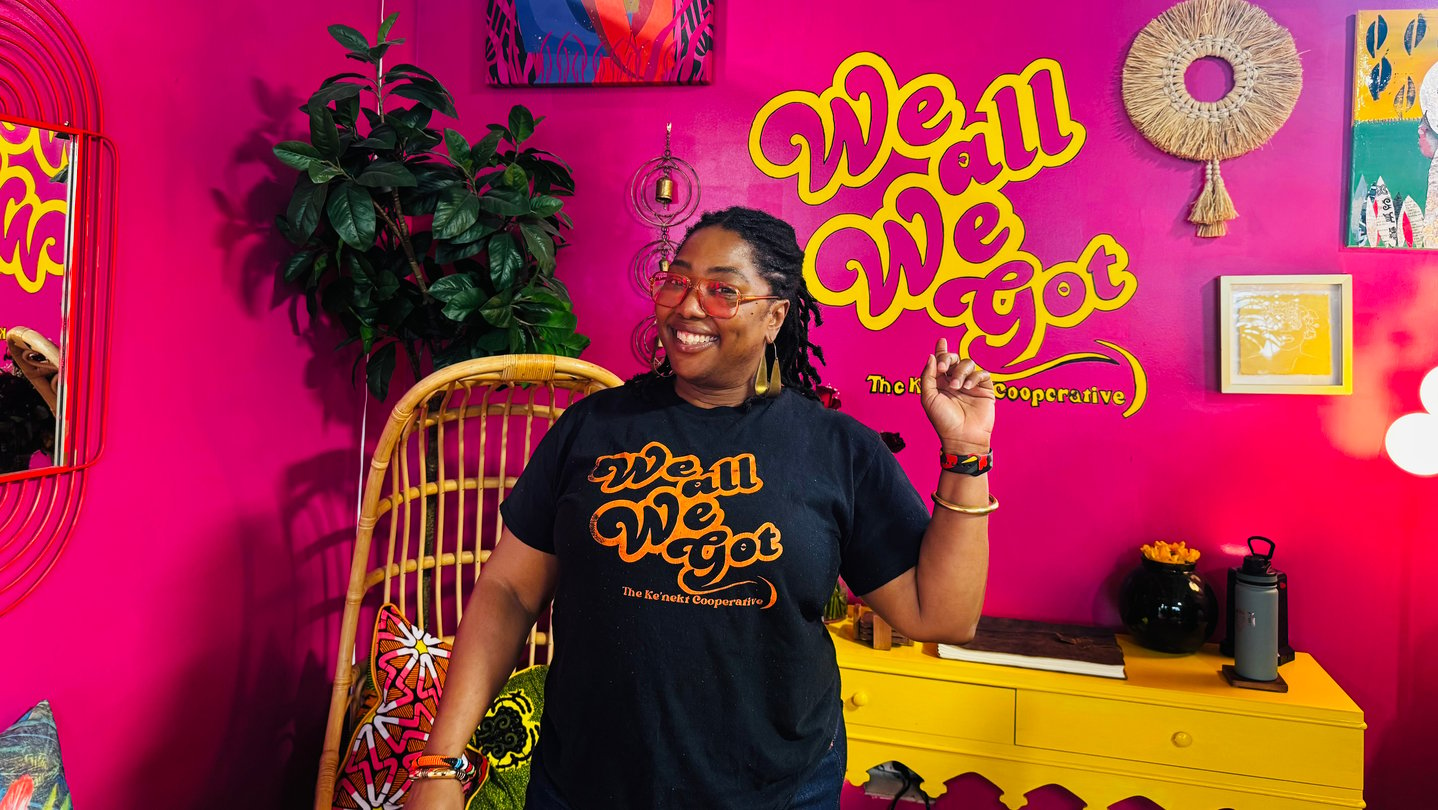
“Closer Look’s” February installment of “Coffee Conversations” was held at The Ke’nekt Cooperative located in the Westview neighborhood. Host Rose Scott talked with several guests, including children’s book authors. They discussed community-center resources and programs geared toward improving literacy rates in Georgia and read excerpts from children’s books. Guests included:
Read this story now for free
To continue reading, sign up for our newsletter and get unlimited access to WABE.org
You can select your preferences for news and local content. We will never share your email address. Learn how your newsletter sign-up will support WABE and Public Media