More than 35 years ago, President George H.W. Bush signed the Immigration Act of 1990 into law. Among many things, it established Temporary Protective Status, allowing people from countries experiencing disasters and hostilities to seek temporary immigration or refugee status in the United States. It did not provide a pathway to citizenship, but it allowed people to renew their temporary protected status for years and to work in the U.S. without fear of deportation.
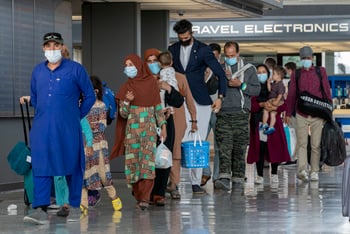
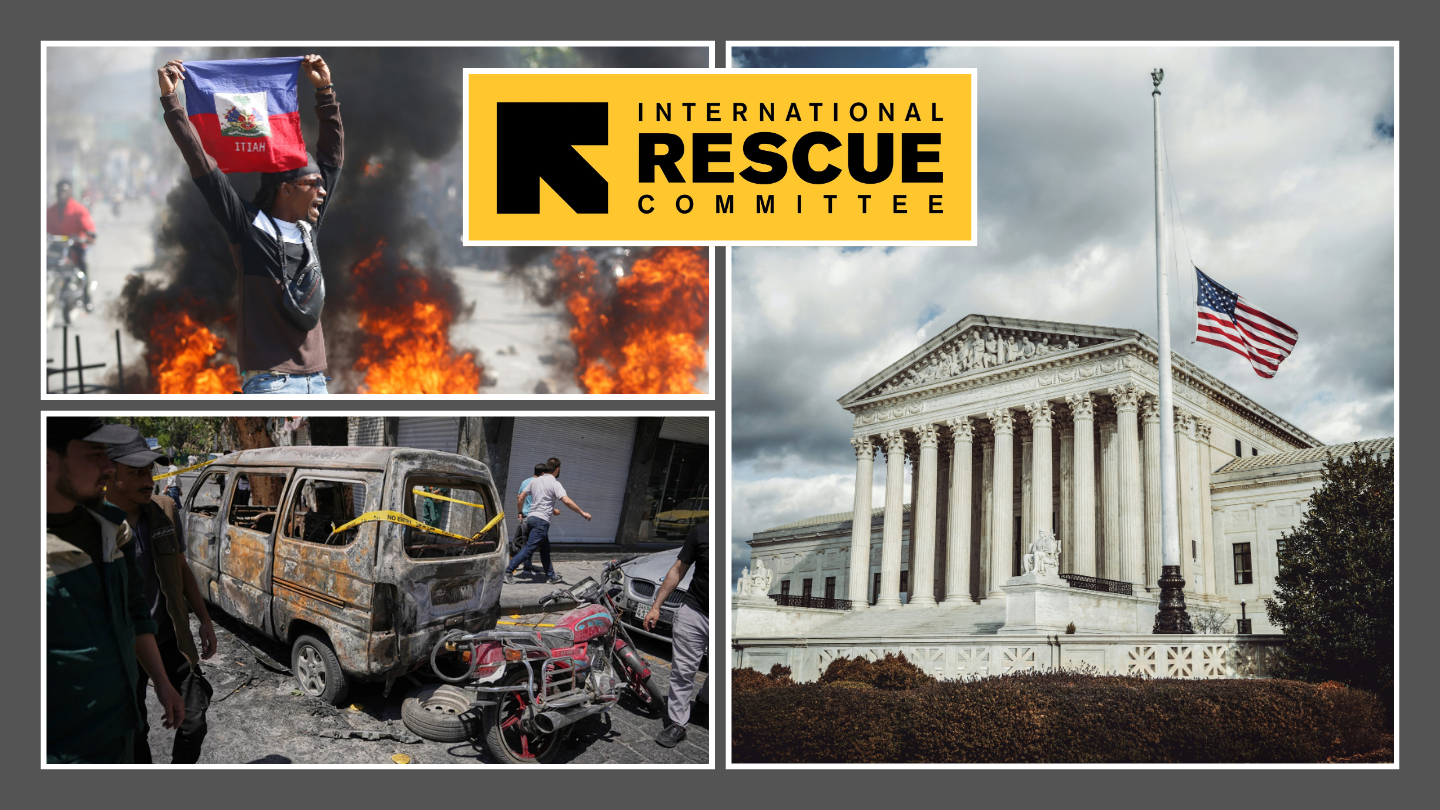
Currently, almost 1.3 million people are in the U.S. under protective status from Haiti, Syria, and several other nations. But on June 26, the Supreme Court ruled 6-3 in Mullin v. Doe to allow the federal government to end the TPS program. Now, as district courts decide how to implement this new order, many TPS holders fear deportation to countries experiencing war or a humanitarian crisis.
“It’s sad, of course, that this administration thinks about sending people back to countries where there are horrific circumstance,” said Hans Van de Weerd, senior vice president of resettlement, asylum and integration for the International Rescue Committee.
The IRC tracks international conflicts, as well as government actions that could potentially put lives in harm’s way. It notes that Haiti is in its second year of gang violence, where millions of people are experiencing humanitarian need and “over half the population is facing crisis levels of hunger.” Syria is also on the IRC’s Emergency Watchlist, where 11 million Syrians have been forcibly displaced and 90% of the population is living in poverty.
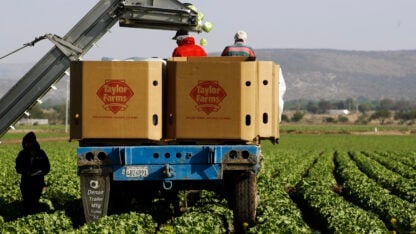
The loss of these 1.3 million TPS holders could also harm the U.S. It’s estimated they contribute $29 billion to the U.S. economy annually and pay about $7.8 billion in taxes. Van de Weerd said this proves that perceptions of immigrants and newcomers costing the country money is “a big fake.”