The economy, inflation and how those forces could impact the lives of Americans were front and center over the past week. Trips to the grocery store and gas station are more painful than they were last year, and rising costs are impacting the decisions of both households and businesses.
Here’s a snapshot of prominent economic data and news that occurred over the past week and what it potentially means for you.
US employers unexpectedly cut 23,000 jobs
U.S. employers unexpectedly cut 23,000 jobs last month, and Labor Department revisions shaved 103,000 jobs off payrolls in May and June. The unemployment rate dipped to 4.1% only because Americans left the job market.
The July jobs numbers from the Labor Department Friday marked a sharp reversal for the American labor market and a political setback for President Donald Trump less than three months before his Republican party seeks to keep full control of Congress in the midterm election.
Forecasters had expected job creation to approach 100,000 last month.
Local public schools cut 50,000 jobs in July, restaurants and bars 26,000, retailers 19,000.
The 4.1% unemployment rate was the lowest since June 2025 – but it dropped for the wrong reasons: Fewer people were competing for work as 264,000 dropped out of the labor market. The share of those working or looking for work fell to 61.4%, the lowest since February 2021.
US job openings decline in June
U.S. job openings fell slightly in June, but the labor market continued to show resilience in the face of an economic shock from fighting in Iran and the closure of the Strait of Hormuz.
Employers posted 7.36 million vacancies in June, down from 7.54 million in May, the Labor Department said Tuesday. The numbers were in line with economist expectations. Openings rose by 97,000 at warehouse, transportation and utility companies and 39,000 at federal government agencies. Openings dropped at wholesalers and manufacturers of nondurable goods.
Layoffs were little-changed at 1.8 million, and the number of people quitting their jobs — a sign of confidence in their prospects — rose slightly.
Mortgage rates rise for 5th straight week
The average long-term U.S. mortgage rate rose for a fifth consecutive week to its highest level in just over a year, marking the latest strain for prospective homebuyers who are facing steep borrowing costs.
The benchmark 30-year fixed rate mortgage rate rose to 6.69%, mortgage buyer Freddie Mac said Thursday, up slightly from 6.66% reported last week. By comparison, the average rate was 6.63% at this time last year — and hadn’t been higher than its current level since late July in 2025.
Higher mortgage rates can add hundreds of dollars a month in costs for borrowers, limiting homebuyers’ purchasing power. As rates rise, that can lead prospective home shoppers to delay buying a home, one reason U.S. home sales have been sluggish this year.
Meanwhile, borrowing costs on 15-year fixed-rate mortgages — which are often sought by borrowers looking to refinance a home loan — fell slightly this week. That rate averaged at 6.01%, down from 6.04% last week. A year ago, it was at 5.75%, Freddie Mac said.
US filings for jobless benefits climb
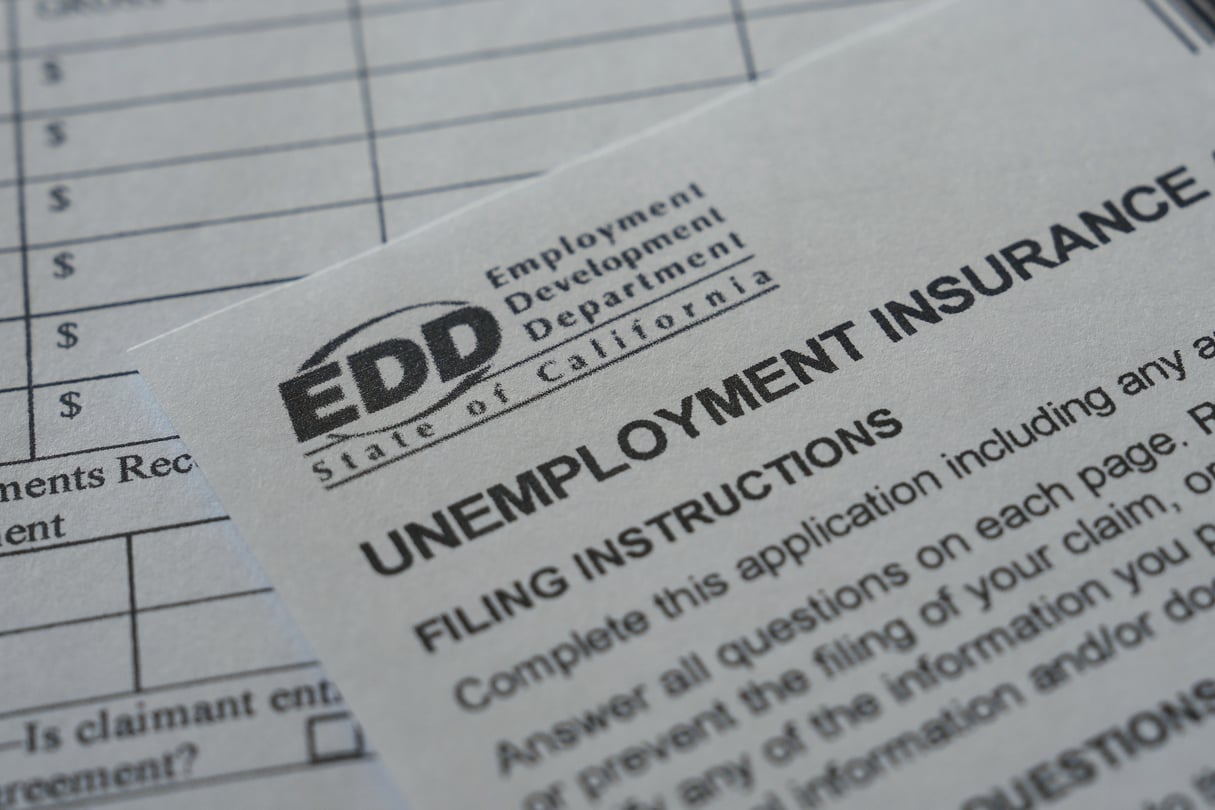
The number of Americans applying for unemployment benefits rose last week but layoffs remain in the historically healthy range of the past few years.
U.S. filings for jobless aid in the week ending August 1 rose by 1,000 to 199,000, the Labor Department reported Thursday. The previous week’s figure was revised up by 1,000 to 198,000.
Weekly filings for unemployment benefits are considered representative of layoffs and are close to a real-time indicator of the health of the U.S. job market.
Wall Street rises as unexpected job cuts raise hopes for easier rate policy
Stocks climbed on Wall Street Friday and Treasury yields fell after the government reported that employers unexpectedly cut 23,000 jobs last month.
The S&P 500 edged higher, and was hovering around the record it set on Tuesday. The Dow Jones Industrial Average and the Nasdaq composite both rose. Every major index was on track for weekly gains.
The bond market reacted more strongly to the weaker signal on the job market, which can be seen as allowing the Federal Reserve more time before raising interest rates to fight inflation.