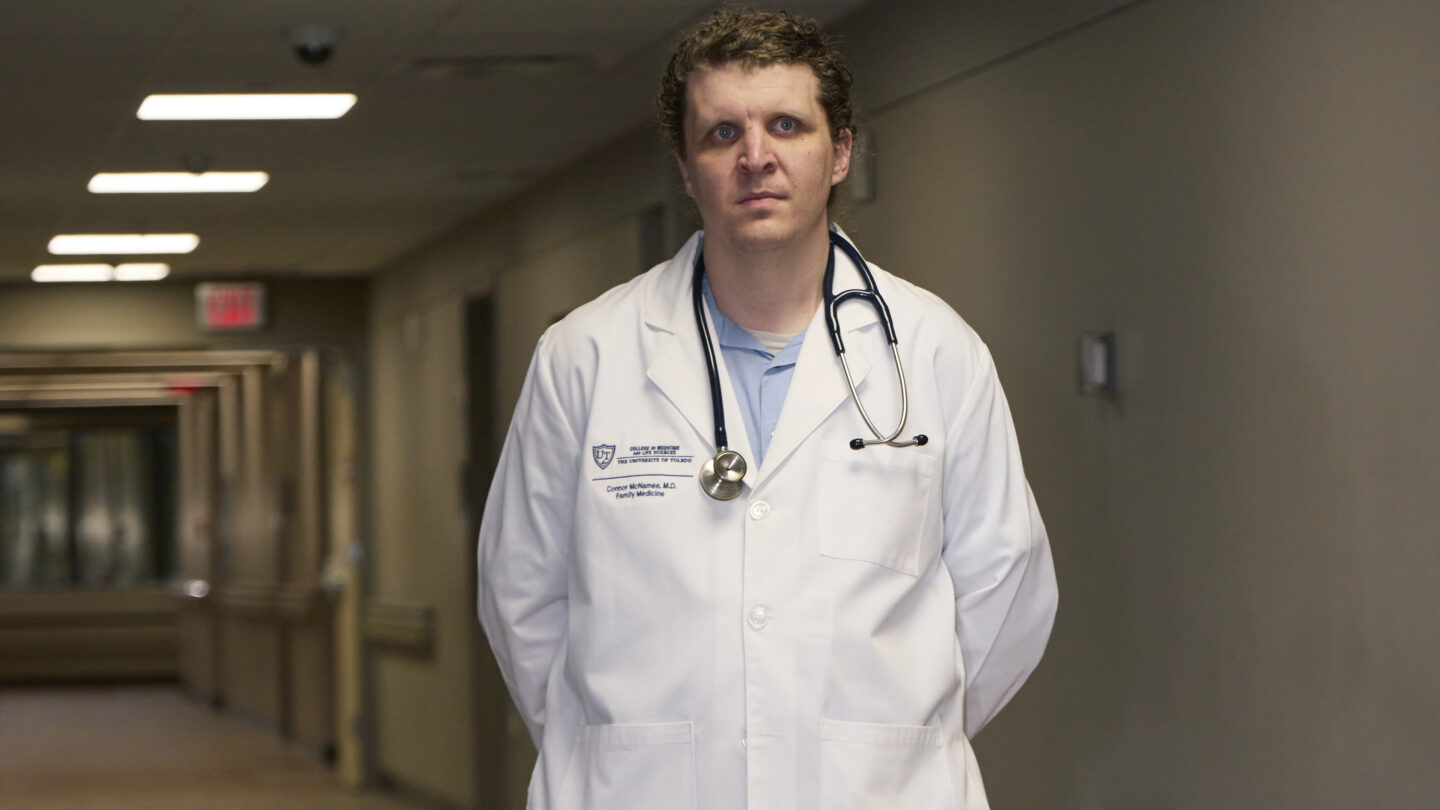
Students in obstetrics-gynecology and family medicine — two of the most popular medical residencies — face tough choices about where to advance their training in a landscape where legal access to abortion varies from state to state. And a team at Emory University is asking medical students about their residency application decisions after the Supreme Court ruling that overturned Roe v. Wade.
Abortions are typically performed by OB-GYNs or family doctors, and training generally involves observing and assisting in the procedure, often in outpatient clinics. Many doctors and students now worry about nonexistent or subpar training in states where clinics closed or abortion laws were otherwise tightened after Roe was overturned.
In some cases, applicants who want to perform abortions as part of their career are pursuing residencies in states with more liberal reproductive laws and perhaps continuing their careers there, too — potentially setting up less permissive states for a shortage of OB-GYNs, observers said.
Read this story now for free
To continue reading, sign up for our newsletter and get unlimited access to WABE.org
You can select your preferences for news and local content. We will never share your email address. Learn how your newsletter sign-up will support WABE and Public Media