After pushback in Georgia communities, Congress looks at bill on local approval for immigration facilities

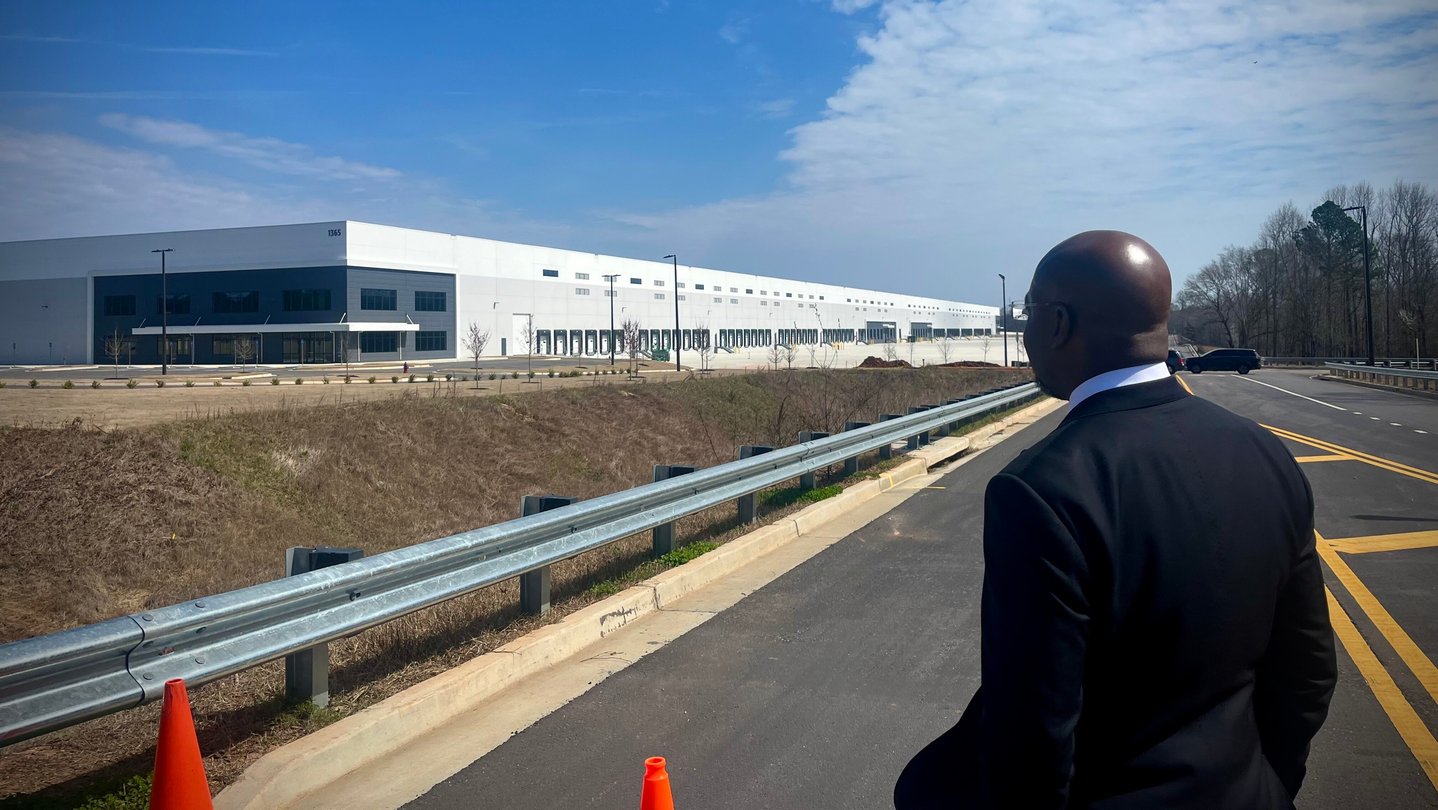
Raphael Warnock looks at a large warehouse while standing on a road
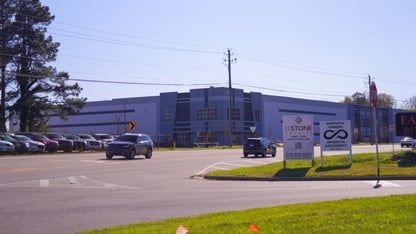
U.S. Sen. Raphael Warnock visited the city of Social Circle, Georgia, where city leaders are trying to stop the Department of Homeland Security from converting a vacant, 183-acre warehouse into a mega Immigration and Customs Enforcement detention facility.

Lily Oppenheimer / WABE

The U.S. Senate introduced a bill that would require local approval of immigration detention facilities before they’re built.

Democratic U.S. Sen. Jon Ossoff from Georgia is a cosponsor of the bill, called the “Respect for Local Communities Act.

This year, the Department of Homeland Security spent nearly $200 million on warehouses in Georgia to convert them into Immigration and Customs Enforcement detention facilities, one in Social Circle, about an hour east of Atlanta, and one in Oakwood, about an hour northeast of Atlanta. 


Neither city was consulted about the plan, nor looped into the planning process. For months, people from across the political spectrum protested the federal move for reasons ranging from a logistical lack of infrastructure, opposition to ICE detention, and the belief that locals should have a say about what the feds were doing to their communities. 

“That, for me, has been so satisfying to see so many people from so many different perspectives get out of their comfort zone and be alongside each other to speak out against this detention center,” said Gareth Fenley, a community organizer in Social Circle, at a protest in March. 

Ossoff and U.S. Sen. Raphael Warnock from Georgia asked the federal government to pause renovations on the warehouses in both communities to communicate with local officials and address their concerns.

This bill would codify requiring that kind of communication between federal and local governments before any immigration facility plans happen, including a process for public comment, signed agreements with local and state officials, and advance notice to Congress about developing new ICE facilities. 

Development has been paused as plans for these facilities nationwide are scrutinized under new DHS leadership.