Amid data center backlash, Google gives $1M for South Georgia wetlands

Gov. Brian Kemp vetoed a two-year pause in a sales tax exemption the state gives for building and equipping computer data centers.
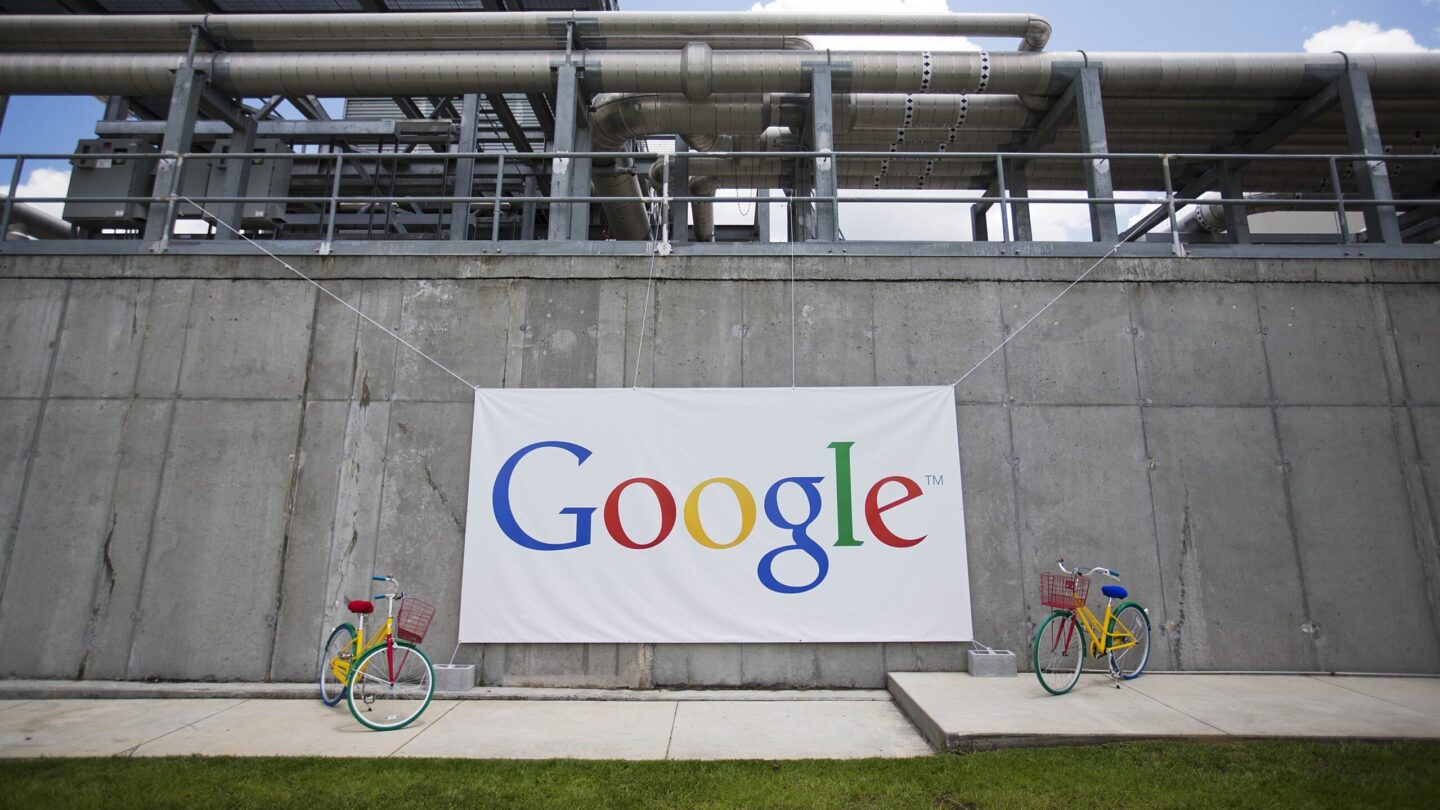
A banner hangs during a ceremony announcing a proposed $300 million expansion of Google's data center operations Tuesday, June 2, 2015, in Lithia Springs, Ga. Georgia. (AP Photo/David Goldman, file)

Google will spend $1 million on conservation work in a watershed in South Georgia near one of its data centers.

The donation, announced this week, is part of a $17 million commitment by Google to support seven waterway and infrastructure improvement projects nationwide.

In Georgia, the nonprofit Ducks Unlimited will be putting Google’s money toward the restoration of 35 acres of wetlands in the Flint River Wildlife Management Area.


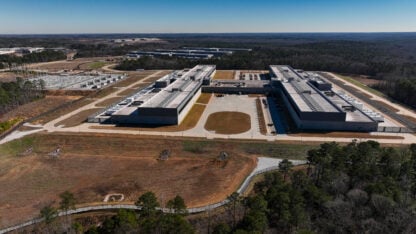
Google has a data center nearby, in Douglas County.

Data centers often use a significant amount of water to cool computer servers, although the one in Douglas County uses recycled wastewater.

Google’s contribution announcement comes amid a backlash against data centers.

“U.S. data centers are using less than 1% of the water used to water Americans’ lawns,” Ben Townsend of Google said in an interview last week. “That doesn’t mean that folks’ fears about water should be dismissed,” said Townsend, the company’s global head of infrastructure and sustainability. “Let’s be honest, over the past 100 years, we’ve seen industrial water use go wrong in lots of different sectors. And here at Google we know that that can’t be us. It won’t be us.”

On Wednesday, the same day Google lifted its embargo on its announcement, voters in Monterey Park, Calif. overwhelmingly banned data centers, making it the first city in the country to do so by public vote.

Data centers are a hot topic in Georgia, too.

They need a lot of electricity to power their computer servers, so the Georgia Public Service Commission (PSC), a state regulator, voted in December to let monopoly utility Georgia Power add nearly 10 gigawatts of power production, mostly for data centers.

That has raised concerns about ratepayers covering the cost of new gas turbines and utility lines to benefit big tech companies. Georgia Power has pledged not to shift costs like that.

Critics counter that those are short-term pledges and that long-term costs could still fall on regular ratepayers.

Data centers have become a talking point for Georgia politicians on both sides of the aisle.

Rick Jackson, the billionaire in the Republican primary runoff for governor against Lt. Gov. Burt Jones, has accused Jones of personally profiting from data centers, something Jones denied at a solo Atlanta Press Club debate on Monday. (Jackson skipped the debate.)

But Jones did vote for tax credits for data centers in 2018, something Jackson’s campaign has hammered him on.

In a similar debate on Sunday between two Democrats running to succeed Jones — Sen. Josh McLaurin and former Sen. Nabilah Parkes — Parkes said she would impose a moratorium on new data centers.

“People don’t want more data centers that are being built on the backs of working-class families because it’s now costing our energy bills,” Parkes said. “It’s now contaminating our water. We need to put a stop to these data centers and make sure that we pass regulations to hold them accountable and make sure that they’re paying their fair share.”

In the Republican debate for lieutenant governor that same day, the two candidates argued about who had the better policy to protect ratepayers from covering data center electricity costs.

State Sen. Greg Dolezal said a law was needed while former Sen. John F. Kennedy said he would let the PSC rather than politicians manage the balance.

Dolezal added that he would scrap data center tax credits.

Both agreed there should be more state-mandated transparency around proposed data center projects. 

Google’s Townsend said the company is committed to transparency around water use, releasing annual disclosures. He said Google also is committed to expanding its water restoration and reclamation work so that it is replenishing more water than it uses by 2030.

“We have a really strong commitment to protecting watersheds,” he said, “but we can’t speak for everyone else in the space.”

This story was provided by WABE media partner Capitol Beat.