Atlanta food banks expect greater demand in light of federal SNAP cuts

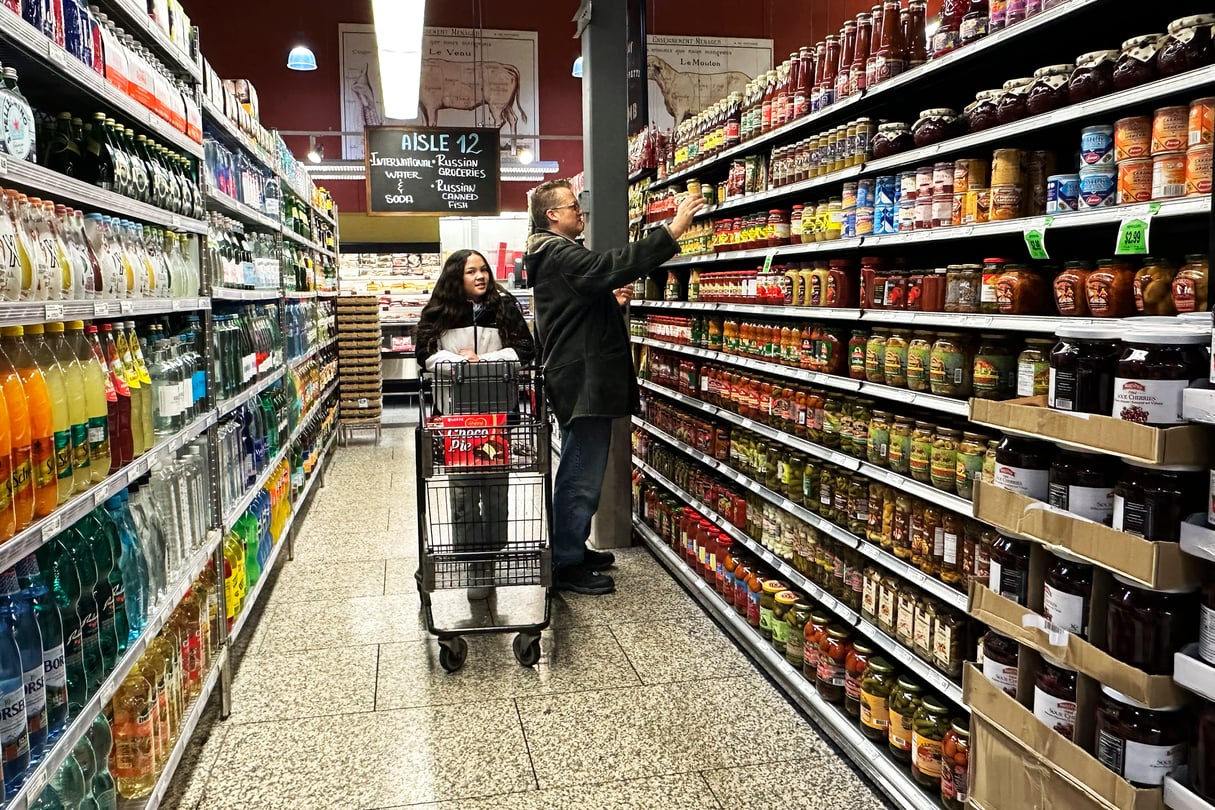
A shopper in a grocery aisle.
Customers shop at a grocery store in Wheeling, Ill., Wednesday, Dec. 11, 2024. (AP Photo/Nam Y. Huh)

Food banks in metro Atlanta are expecting increased need for food assistance after President Donald Trump signed into law a budget and spending bill that includes changes to the nation’s largest food assistance program.

The Supplemental Nutrition Assistance Program (SNAP), otherwise known as food stamps, is currently 100% federally funded, though the states help administer the program. 

Under the new law, which Trump signed last Friday, states may need to shoulder a percentage of the cost of SNAP benefits starting in the fiscal year 2028.


If states can’t make up the difference, then it could lead to a contraction of services, according to Georgia Budget and Policy Institute Director of Economic Justice Ife Finch Floyd. In addition, the new law increases the age of people who need to meet the work requirement to qualify for SNAP to 64 years old.

Kyle Waide, president and CEO of the Atlanta Community Food Bank, said provisions in the new law will result in a greater number of people who need hunger relief.

“Without question, there are going to be people, a large number of people, in our service area who will lose either access to SNAP altogether or will see their benefit levels decrease as a result of the changes in the bill,” Waide said.

Atlanta Community Food Bank partners with more than 700 food distributors across the region. Waide said the organization is serving 60% more people now than it did three years ago.

Additionally, it has already seen a $15 million cut in food purchases through a U.S. Department of Agriculture program earlier this year. That cut represents a 10% decrease in the overall food supply received by the food bank.

“You can see that’s kind of a perfect storm of reducing our resources at the very time that we’re gonna see increased levels of need,” Waide said.

He hopes that the federal government will make up for the USDA resources that faced cuts a few months ago. In the meantime, the organization is preparing for the new changes to SNAP to go into effect in a few years by communicating with elected officials, donors and partners.

“We’ll be working hard to work with our suppliers and donors to get access to more resources, more food that will help us serve what we anticipate will be greater demand,” Waide said. “So we’re going to be working hard over the next few years to grow that capacity. We’re hopeful that the community will continue to invest heavily in the work of the food bank.”