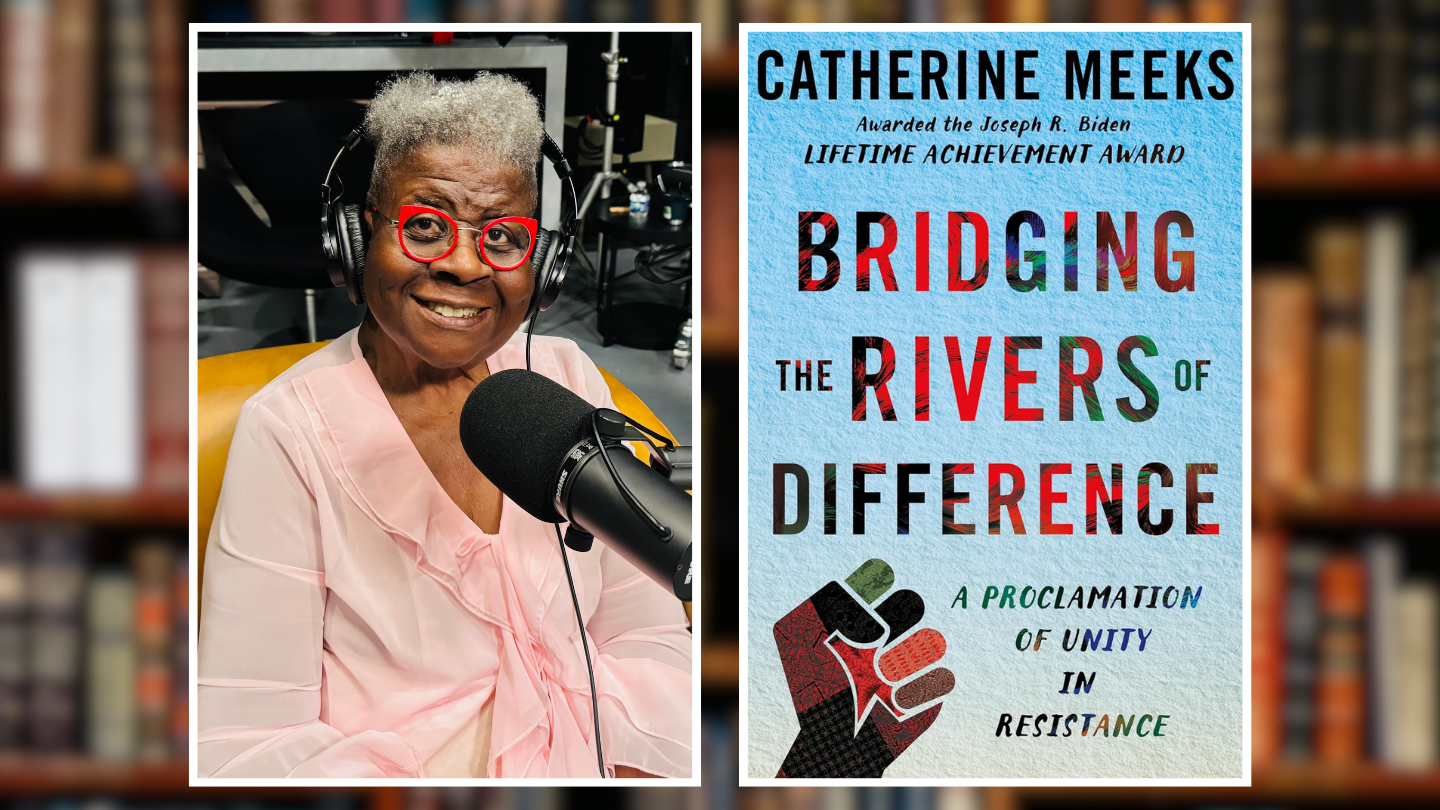
Atlanta-based racial justice leader Dr. Catherine Meeks argues that the idea of “racial reconciliation” is fundamentally misleading.
“Reconciliation implies a broken relationship that needs repair,” she said. “But in this country, there has never been a real relationship based on equality. What existed were transactional relationships. What enslaved person had a genuine relationship with an enslaver? How could such a thing exist? As James Baldwin said, ‘We must name what is wrong with us—and then decide what we want to do about it.’ I want to advocate for relationships grounded in seeing one another as human beings and recognizing what we share.”
This philosophy anchors her new book, “Bridging the Rivers of Difference: A Proclamation of Unity in Resistance.” Dr. Meeks centers a core question: Why do communities facing similar struggles remain divided, and what would it take to build true unity?
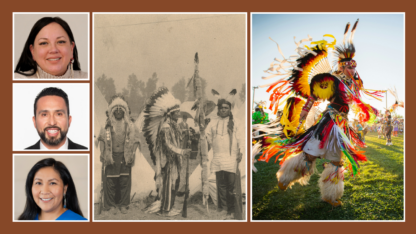
She told “Closer Look” host Rose Scott that the book explores how communities historically harmed by oppressive policies – Black, Latino, Indigenous and Asian communities – must work together as a cross‑racial coalition, especially now.
When asked how to measure success in coalition-building, Meeks acknowledged that progress takes time, whether through voting or other forms of collective action.