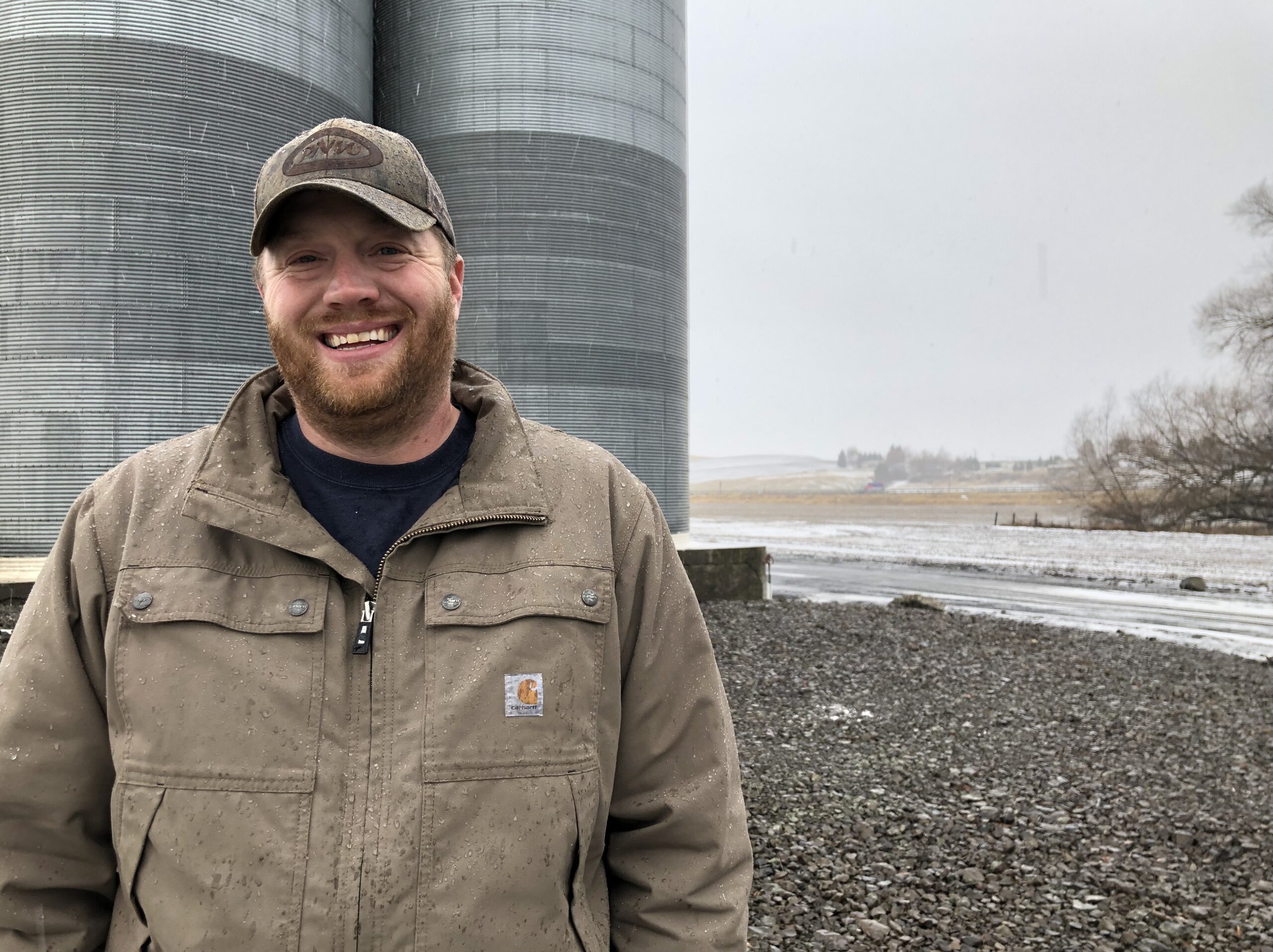
On a recent rainy day, farmer Allen Druffel stands outside a silo shuffling his feet in the gravel. This co-op bin is where he stores his dried garbanzo beans in the tiny town of Colton, Wash. The place should be busy; trucks should be loading and hauling this year’s crop to markets and international ports. But midafternoon, there’s just the rain.
Since farmers like Druffel brought in this year’s crops, hardly any garbanzos — or chickpeas — have moved.
“Thirty to 40 percent of our total revenue is in the bin,” Druffel says. “And we’re not sure what we want to do with it.”
Read this story now for free
To continue reading, sign up for our newsletter and get unlimited access to WABE.org
You can select your preferences for news and local content. We will never share your email address. Learn how your newsletter sign-up will support WABE and Public Media