Consumer agency, targeted by Trump, was born out of crisis that devastated Atlanta neighborhoods

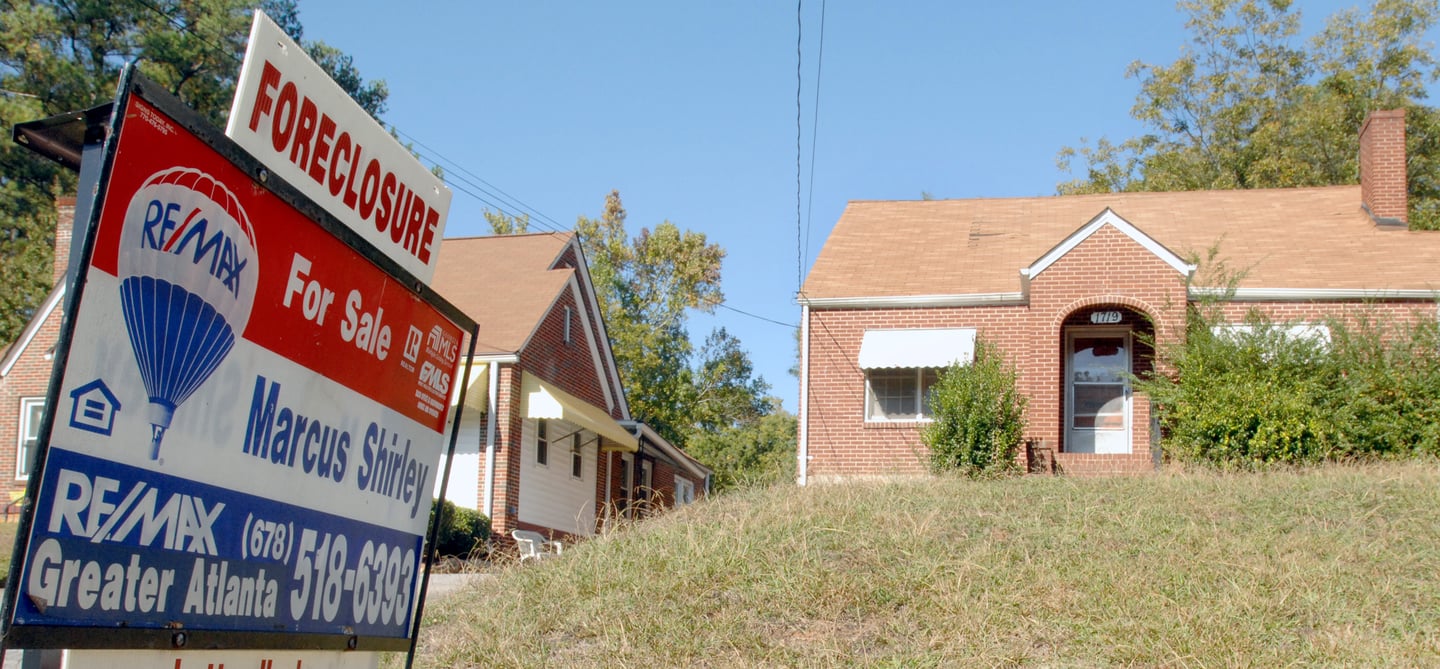
A for sale sign in seen on the lawn of an foreclosure as it sits vacant in Westview Village, Saturday, November 3, 2007 in Atlanta. (AP Photo/Gregory Smith)

As the Trump Administration seeks deep cuts to the Consumer Financial Protection Bureau, the not-so-distant history of Atlanta’s housing market provides a window into what may be at stake. 

The agency was designed in response to the foreclosure crisis that decimated neighborhoods around the country. While it may be hard to remember, given the recent growth of home prices, the Atlanta metro area was hit particularly hard. 

From the mid to late 2000s, news of foreclosures dominated the headlines, with thousands of properties auctioned on courthouse steps each month. 


According to Georgia State University Professor Dan Immergluck, who moved to the area at this time and studied foreclosures extensively, there was a noticeable pattern in the crisis unfolding across the region, stemming from poor regulation. 

“The whole regulatory regime for mortgages was buyer beware,” he said.

With little oversight from the federal government and states, he said it was up to homeowners to read the fine print. But many didn’t — or they didn’t understand it — and they ended up with risky, high-cost mortgages. The term soon became well known: subprime loans. 

Immergluck said the areas in Atlanta with the most foreclosures had the most of these kinds of loans. 

“As soon as you saw subprime lending go up,” he said. “Within a year, you would see an increase in foreclosures.”

An AJC investigation from 2007 confirmed this, showing one-quarter to one-half of all home purchases in neighborhoods south of I-20 were made through subprime loans. The following year, those neighborhoods saw the greatest rates of foreclosure. 

Congress created the Consumer Financial Protection Bureau because of this regulatory vacuum. Immergluck said the bureau’s powers included forcing lenders to bear some of the risk of high-cost loans. 

But on Friday, the Trump White House argued the CFPB is a “woke weaponized arm of bureaucracy.” 

While the administration has claimed in court filings that it is not dismantling the company completely but only “streamlining” its efforts, news reports show workers have been barred from the headquarters for more than two weeks.

Experts like Immergluck say Atlanta’s experience in the last crisis shows how high the costs can be. Following the foreclosures, large investment companies bought up many of the region’s homes at their lowest prices and turned them into single-family rentals. Many regular people have since been locked out of homeownership, he said. 

“A lot of households never recovered, and a lot of communities never recovered.”