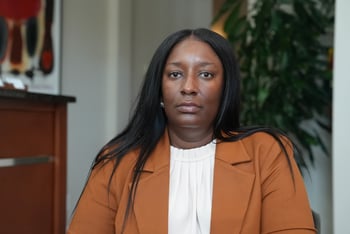
Most of the time, the voices in Keris Myrick’s head don’t bother her. They stay in the background or say nice things. But sometimes they get loud and mean – like when a deadly pandemic descended on the world and shut down society as we know it.
“It’s when things go really, really fast and they seem overwhelmingly disastrous. That’s when it happens,” says Myrick, who was diagnosed with schizophrenia 25 years ago. “The attacking voices were calling me stupid … I literally had a meltdown right here in my house. Just lost it.”
She was able to calm herself down and quiet the voices, and as the pandemic wore on, she kept them at bay by keeping busy: She works for a foundation, hosts a podcast and wrote a children’s book. She was able to manage, but she worried about others like her.
Read this story now for free
To continue reading, sign up for our newsletter and get unlimited access to WABE.org
You can select your preferences for news and local content. We will never share your email address. Learn how your newsletter sign-up will support WABE and Public Media