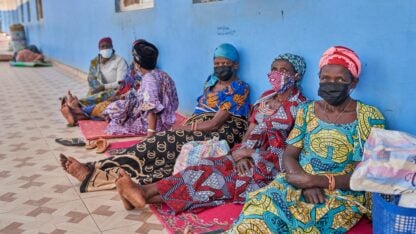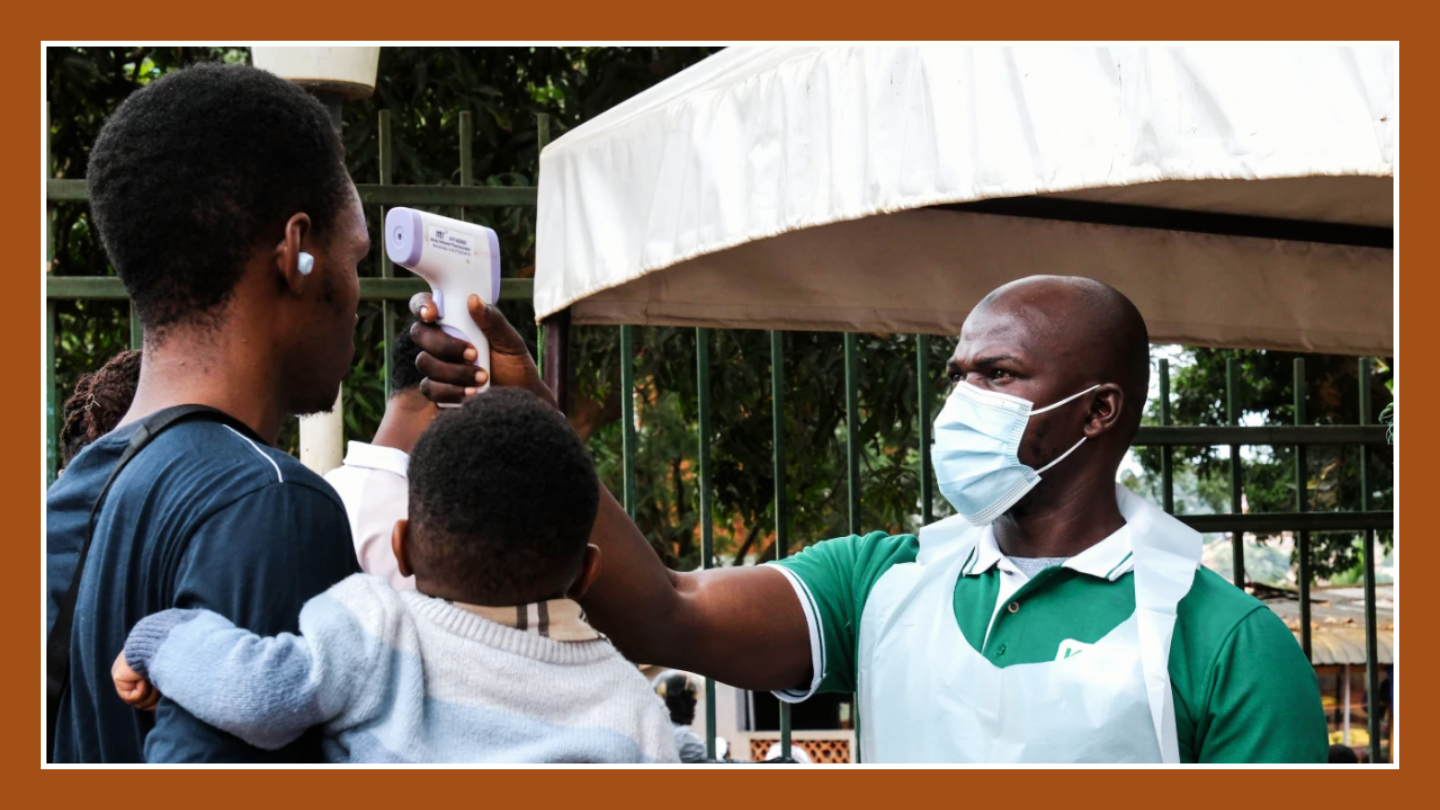
Uganda is closing its border with Congo because of suspected cases of a rare Ebola strain that is driving an increase in infections and deaths. There is currently no vaccine for this strain. Although there are no active cases in the United States, the World Health Organization has declared a public health emergency. With international travel expected to rise and with states such as Georgia preparing for an influx of visitors during the FIFA World Cup, public health experts say the U.S. should consider appropriate precautions.
Documentation of the Ebola virus dates back to 1976, and this region of Africa is one where Ebola is known to exist in the environment, said epidemiologist Dr. Jodie Guest, professor and senior vice chair in the Department of Epidemiology at Emory University.
“It lives in the animals that are there, and this is also culturally an area where people consume some of the animals that are most likely to infect them with Ebola,” said Guest.
Read this story now for free
To continue reading, sign up for our newsletter and get unlimited access to WABE.org
You can select your preferences for news and local content. We will never share your email address. Learn how your newsletter sign-up will support WABE and Public Media