As scientists and public health experts race to learn more about how COVID-19 is transmitted, there’s been much talk about viral aerosol particles coming from infected people as they breathe, talk or cough.
The Centers for Disease Control and Prevention warns people are more likely to become infected in poorly ventilated and enclosed spaces, where these particles can be suspended in the air for long periods of time.
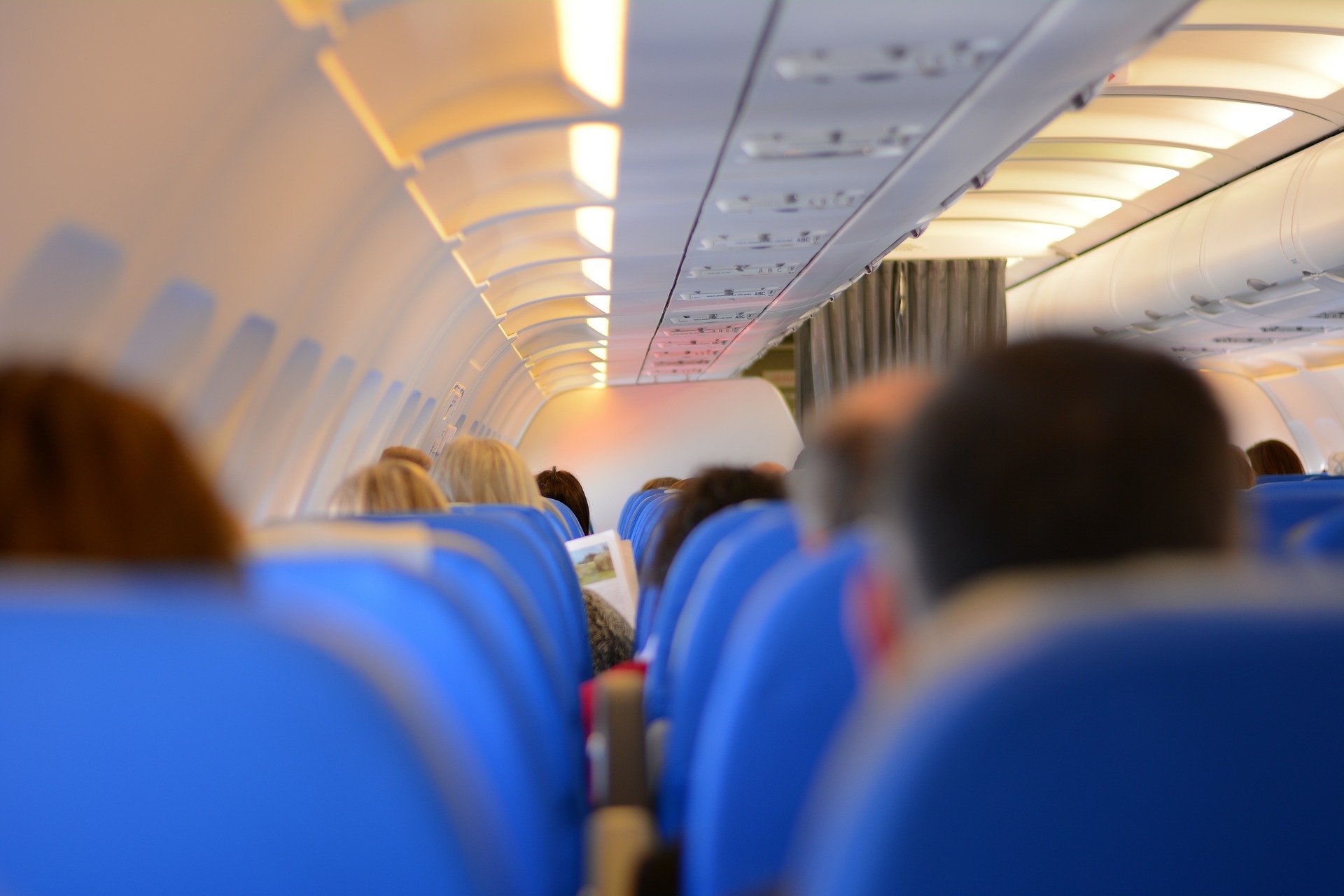
So how does this play out on, say, a Delta Air Lines flight? To better understand air travel conditions during the pandemic, Atlanta-based Delta approached Sally Ng, associate professor at Georgia Tech, who is also a Tanner Faculty Fellow in the School of Chemical and Biomolecular Engineering and the School of Earth and Atmospheric Sciences.
Read this story now for free
To continue reading, sign up for our newsletter and get unlimited access to WABE.org
You can select your preferences for news and local content. We will never share your email address. Learn how your newsletter sign-up will support WABE and Public Media