You’ve probably heard statistics about how our diet affects the health of the planet. Like how a beef hamburger takes considerably more water and land to produce than a veggie burger or that around a quarter of global greenhouse gas emissions stem from food production. In fact, there are websites that can calculate the carbon footprint of specific foods.
But you may not have considered how the food we eat contributes to the quality of the air we breathe.
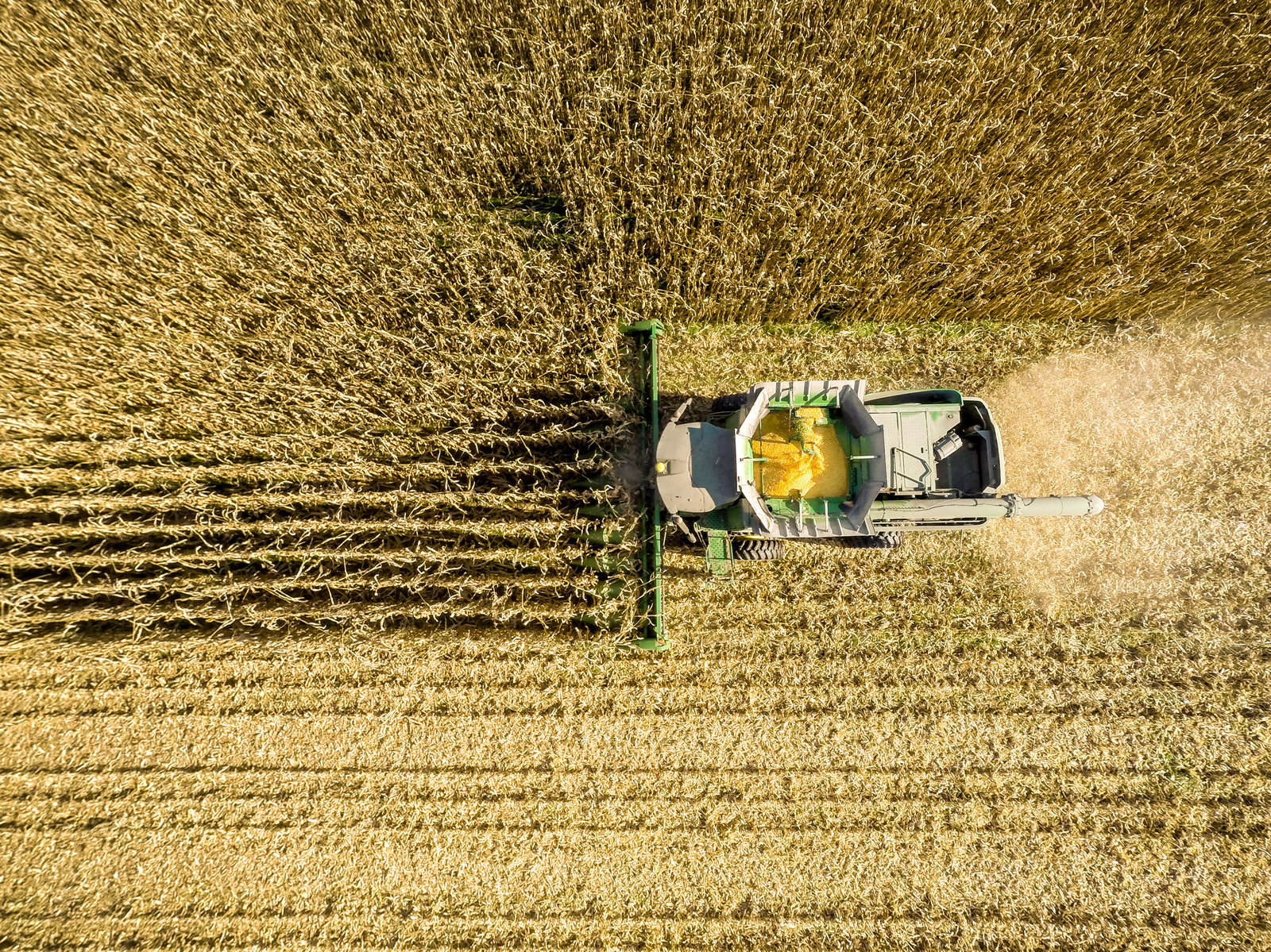
Air pollution is the largest environmental health risk factor in the United States, and agriculture contributes in a number of ways. Fertilizer application, gas use, pesticide production and dust kicked up from tilling all affect air quality. But the sort of accounting done for the carbon footprint of foods hasn’t been done for their air pollution footprint.
Read this story now for free
To continue reading, sign up for our newsletter and get unlimited access to WABE.org
You can select your preferences for news and local content. We will never share your email address. Learn how your newsletter sign-up will support WABE and Public Media