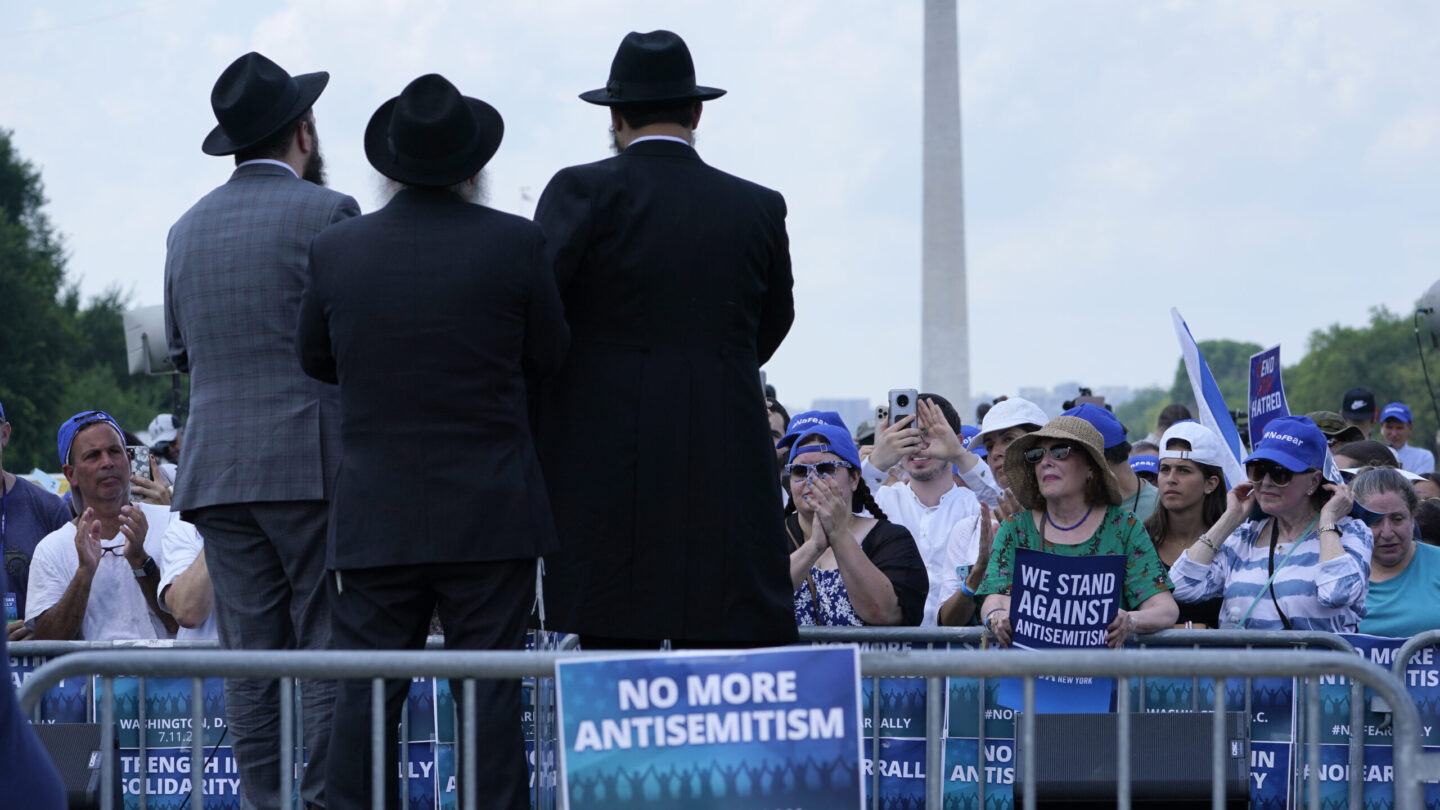
Ye, the rapper formerly known as Kanye West, set off a chain reaction of condemnations from companies, brands and the public after he made antisemitic remarks earlier this year. Now, political leaders are joining the criticism after former President Donald Trump dined with Ye and Nick Fuentes, a white supremacist and Holocaust denier also known for his antisemitic positions and language.
Trump has said that he did not know Fuentes before the dinner at Mar-a-Lago and was not aware of his reputation, but many people, including late-night TV hosts Stephen Colbert and Jimmy Kimmel, have pointed out that Ye has also spread antisemitic rhetoric.
The dinner has prompted calls from some of Trump’s former allies and supporters who have reached a breaking point with Trump’s unwillingness to put distance between himself and those spreading antisemitic rhetoric.
Read this story now for free
To continue reading, sign up for our newsletter and get unlimited access to WABE.org
You can select your preferences for news and local content. We will never share your email address. Learn how your newsletter sign-up will support WABE and Public Media