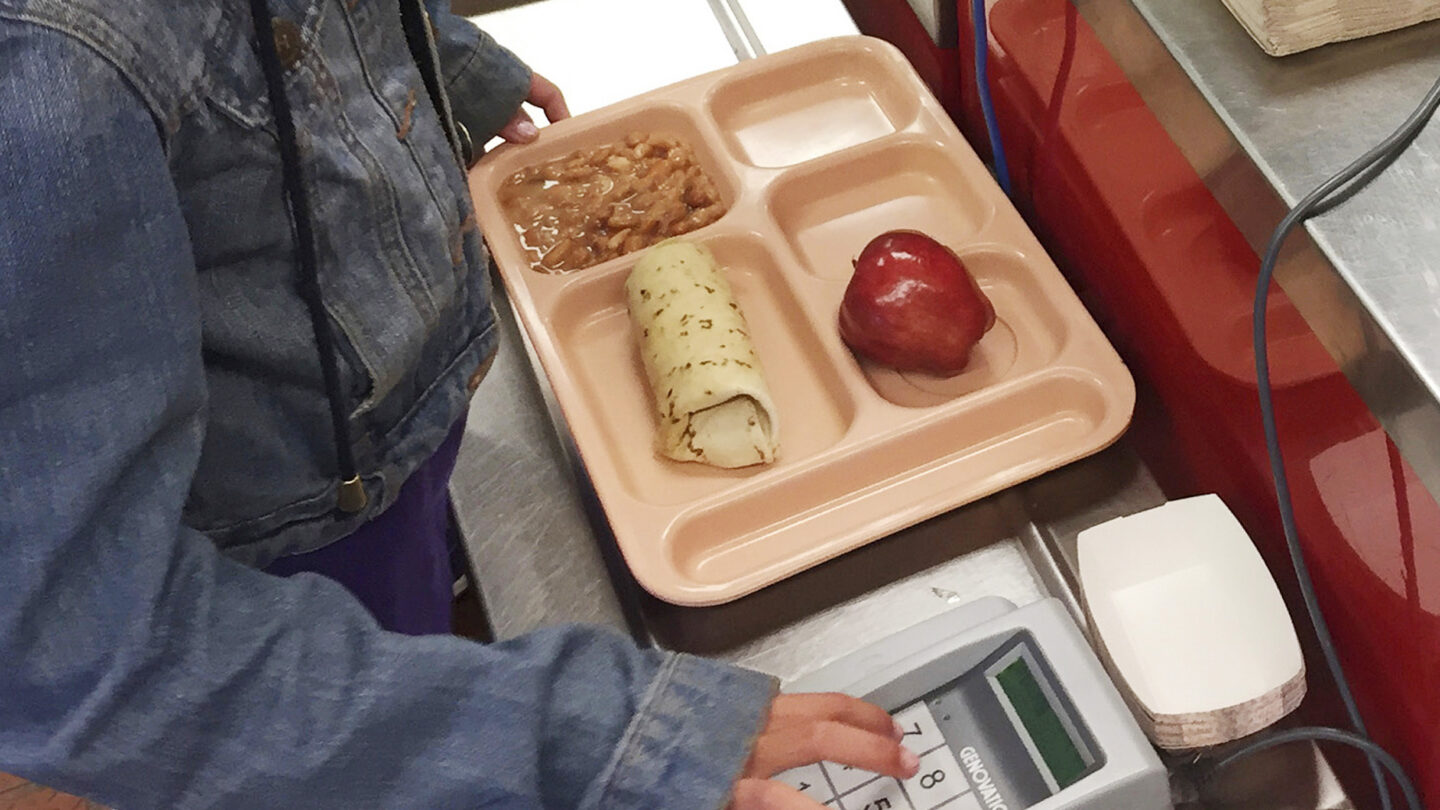
When the government made school meals temporarily free to virtually all public school students in 2020, the intent was to buffer children and families from the spike in hunger and economic hardship caused by the pandemic. It also inadvertently turned out to be a pilot project for something anti-hunger groups had been pushing for years: making school food free, permanently, for all public school students, regardless of income.
Once free meals were in place, albeit temporarily, many advocates thought that they would at least remain that way for the rest of the pandemic—if not longer. That didn’t turn out to be the case; this spring, Republicans blocked an extension of the waivers that allowed schools to serve free meals to all, which made the prospect of legislation establishing universal school meals remote.
This fall, schools are once again charging for lunch and breakfast, and people who run school food programs are back to the familiar scramble to get students signed up for free and reduced-price meals — and to the familiar worry that some kids will feel stigmatized for getting free meals, end up in lunch debt or go hungry.
Read this story now for free
To continue reading, sign up for our newsletter and get unlimited access to WABE.org
You can select your preferences for news and local content. We will never share your email address. Learn how your newsletter sign-up will support WABE and Public Media