Anthropologist Carla Handley is sitting cross-legged in a mud-walled house in a Kenyan village called Merti. She’s meeting with a man dressed in a flowing blue robe and a woven cap of red and white. His name is Wario Bala and he’s a member of Kenya’s Borana ethnic group, a nomadic people who raise cattle across Kenya’s northern regions.
Handley introduces herself, then adds that she’s “known locally as Chaltu Jillo Hanti” – the Borana language name bestowed on her by elders in the community. An interpreter translates and Wala laughs approvingly.
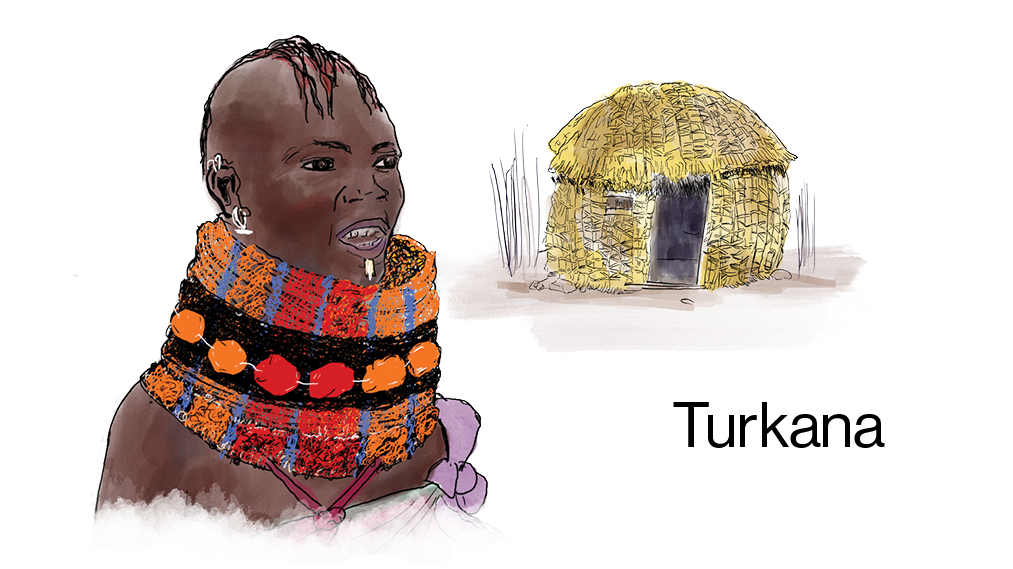
Then Handley points to a poster she’s brought with pictures on it.
Read this story now for free
To continue reading, sign up for our newsletter and get unlimited access to WABE.org
You can select your preferences for news and local content. We will never share your email address. Learn how your newsletter sign-up will support WABE and Public Media