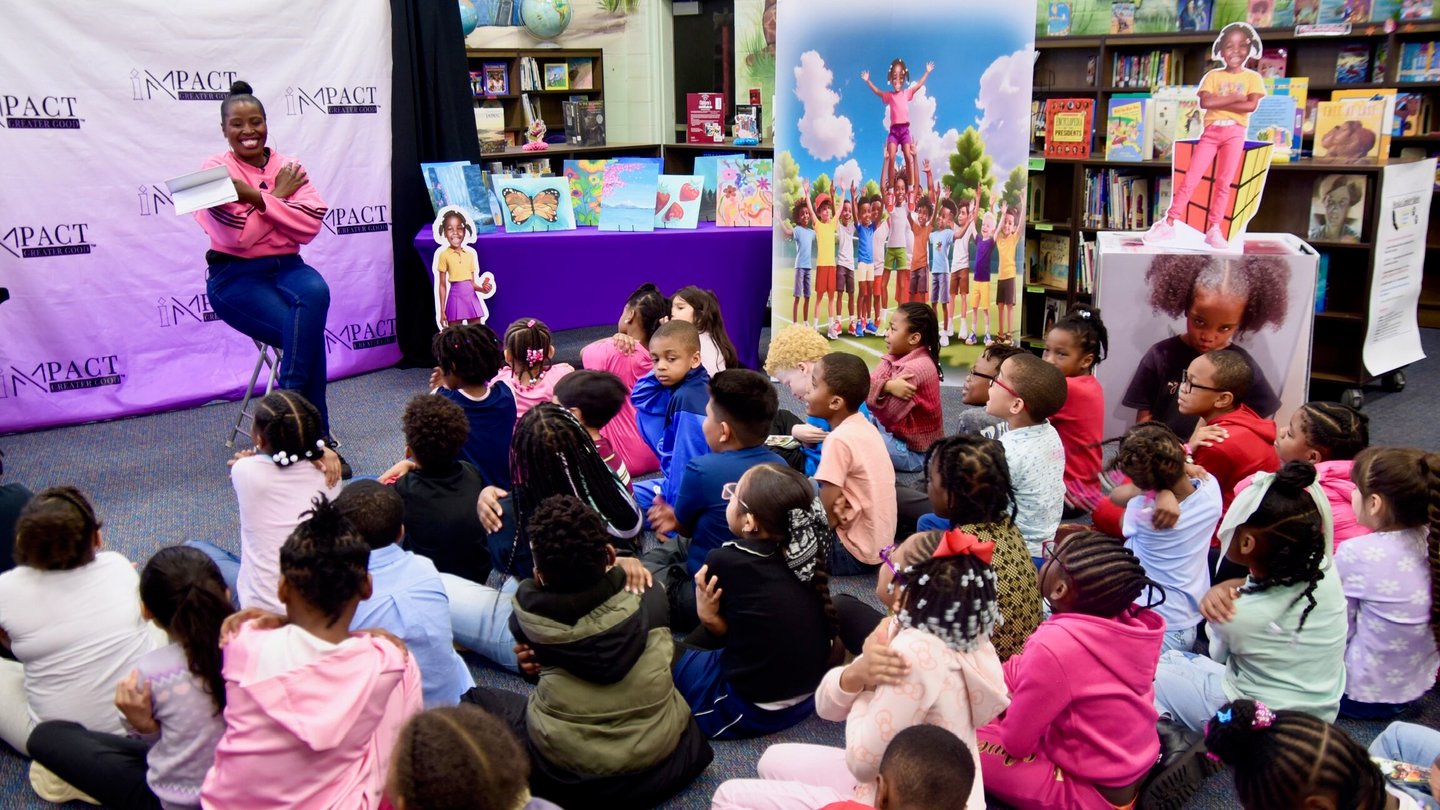
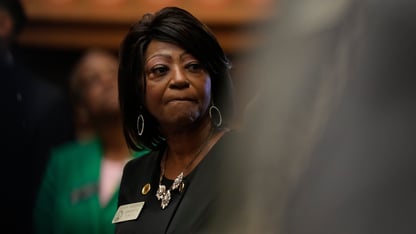
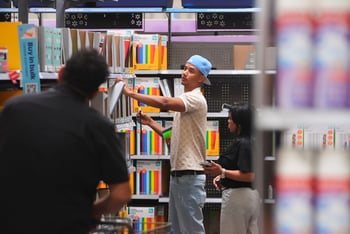
Milicent Reed, Founder of iMPACT Greater Good hosting her signature my Little Millie Interactive Literacy Show, bringing her stories to life in schools and communities at Austin Road Elementary in Stockbridge, Georgia. (Courtesy of iMPACT Greater Good)
A small library in Henry County, full of second graders, gathers around author Milicent Reed as she starts flipping to the first page of her kids’ book.
“So today we’re going to read ‘Little Millie and the Magical Mirror’,” said Reed.
She holds their attention through giving away books, shirts, coloring books and even goes through several chants – one of which is “I LOVE ME!”
The kids chant it back.
“I’m looking and seeing the Little Millies that maybe don’t have the access or the opportunity or the family background to support their deepest goals and their dreams,” said Reed when discussing the group of children.
Reed says that the books are based on her childhood.
She started her nonprofit, iMPACT Greater Good, in 2024 to escape the corporate world and give back to the communities that helped her.
“All of this has been healing work,” said Reed.
“iMPACT Greater Good is a spiritual mission. It’s my assignment, and I’m going to see it through.”
Reed invested over $150,000 of her own money in creating her kids’ book series, developing her interactive literacy show, and building her brand. She says she’s done over 200 hours of direct youth literacy work through community outreach across Georgia and Florida.
“The mission is simple: do good 365 days of the year. We’re going to put more good in the world, and we’re going to continue to grow. We’re gonna continue to expand. We’re to continue to reach out to communities and actually do the work. The boots on the ground work every single opportunity we get,” said Reed.
When the author was in the fifth grade, she says she lived in a homeless shelter. Reading was an escape for her.
“I remember little Millie couldn’t even sleep prior to school. My siblings used to be like, ‘go to sleep,’” she recalls.
“I was just that excited for education and just to learn.”
Now she uses her books and literacy show to uplift local schools and students, even posting them on YouTube.
“What I learned from the Little Millie show was how to say good things about myself and affirmations,” said one of the second graders from Austin Road Elementary School in Henry County.
“The kids want to read all the time now,” added Serita Busby, a family engagement liaison at the school.
“Especially the second graders, which is wonderful because third grade starts the testing year.”
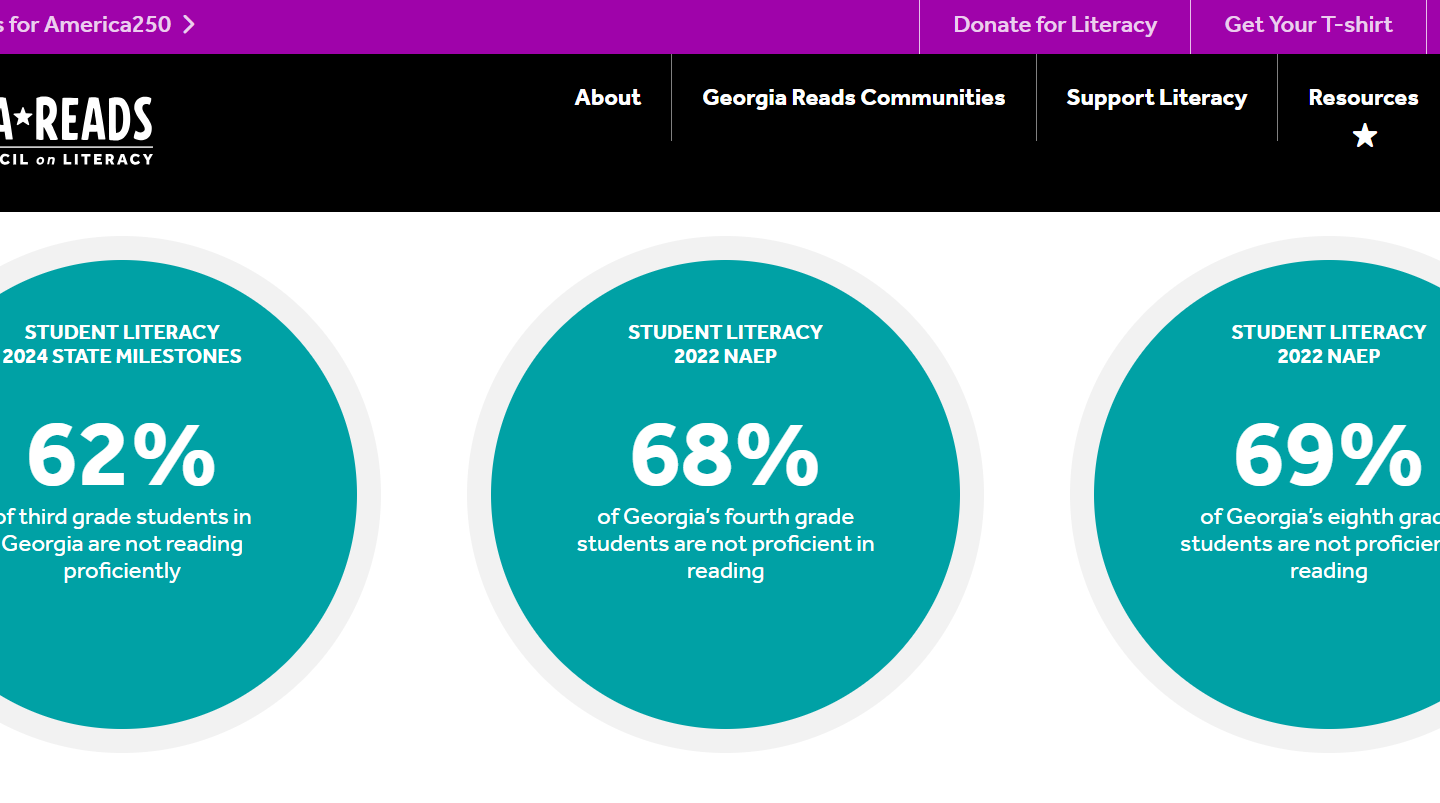
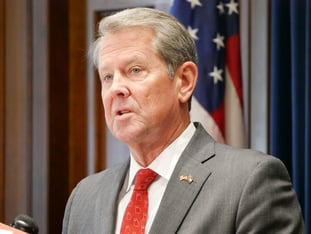
Earlier this year, Gov. Brian Kemp signed the Georgia Early Literacy Act of 2026 to expand resources to improve literacy rates statewide.
Research shows that students who cannot read proficiently by the end of third grade are up to four times more likely to drop out of high school.
Courtesy of Georgia Reads
“If you can feed these kids spirit, you can open up a whole new world for them,” said Busby.
Busby says that as state-funded resources are being allocated to improve literacy rates, local non-profits could help with implementation.
“We have to bind together, combine together, put our resources together. Introduce different programs, whatever we have to do to build literacy,” said Busby.
“The books are relatable to the children, and there are things that they can actually relate to,” Sean Deas, Principal of Dunaire Elementary School in Stone Mountain.
“Our school has a diverse population, but a population that many of those stories can actually connect to what it is.”
Deas, who is retiring this year, sees momentum building around improving literacy rates. He says that many kids struggle with comprehension, meaning they understand the words they’re reading but don’t understand why or what they’re actually doing.
“These children come out with technology on their fingers, and they know how to do all this stuff. But the truth of it is, they really just know how to get to their program. They don’t really know how to utilize technology, and reading is in the same boat,” said Deas.
He says literary nonprofits like Milicent’s are helping teachers, which is a step in the right direction if we want more students to read at grade level.
“I think some of the more advanced countries in terms of their reading literacy, we began to recognize that if we can engage our students through whatever reading, it makes reading fun. That’s the first thing.”