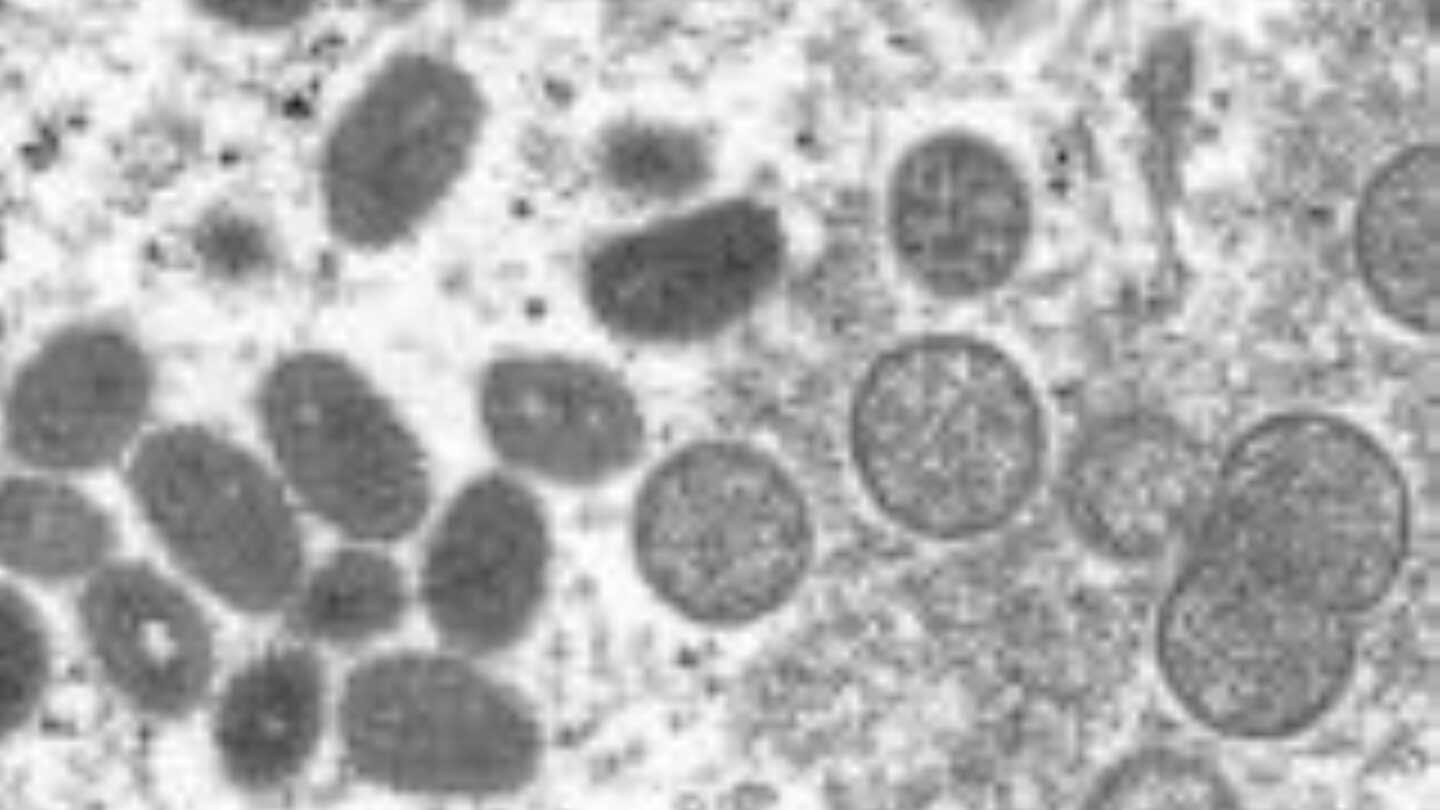
The World Health Organization has declared the monkeypox outbreak a public health emergency of international concern, but it’s not a disease that the general public has been familiar with.
As of Saturday, the virus has been discovered in more than 70 countries, 68 of which historically had not reported cases of monkeypox. In the U.S., confirmed cases have popped up in all but six states: Alaska, Maine, Mississippi, Montana, Vermont and Wyoming, according to the CDC.
For well over a decade, members of the scientific community have been concerned about the potential of a monkeypox epidemic.
Read this story now for free
To continue reading, sign up for our newsletter and get unlimited access to WABE.org
You can select your preferences for news and local content. We will never share your email address. Learn how your newsletter sign-up will support WABE and Public Media