Play Fair ATL tracks promises made by Atlanta officials in city's World Cup action plan

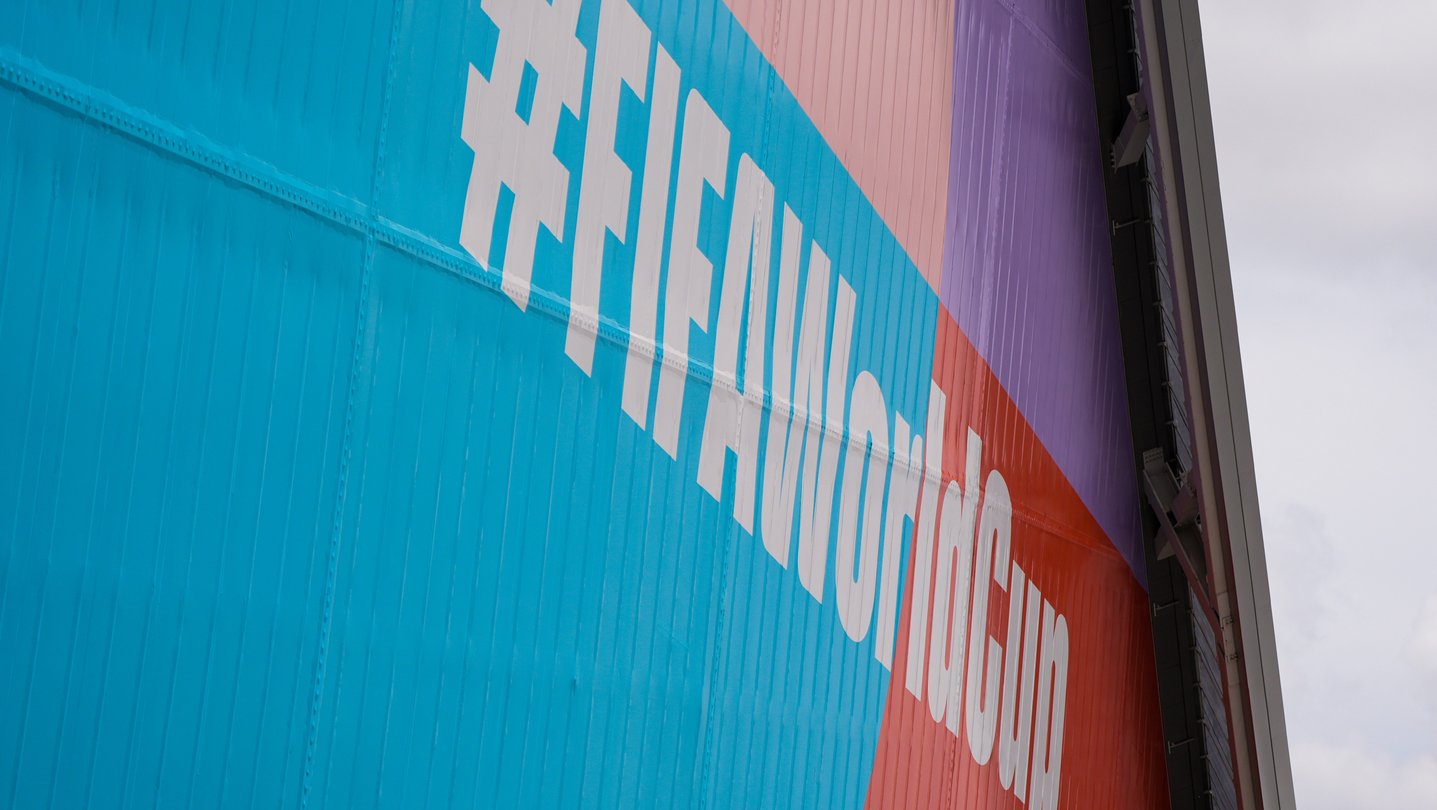
The Mercedes-Benz Stadium is seen wtih FIFA World Cup branding , Thursday, May 28, 2026, in Atlanta. (AP Photo/Mike Stewart)

(AP Photo/Mike Stewart)


An Atlanta-based World Cup watchdog group has released a new online tracker to assess whether the city is following through on its promises in its Human Rights Action Plan.

The ATL26 Promise Tracker by Play Fair ATL monitors all 60 commitments made by the host committee across areas such as labor rights, anti-human trafficking efforts, and public safety.

Currently, Atlanta has a “D” grade. According to the dashboard, it is falling behind on most of its human rights plan. Fourteen of the 33 commitments evaluated are rated as “kept” or “on track,” including Atlanta’s development of an Anti-Human Trafficking FIFA 26 Taskforce and rapid rehousing efforts.


Declan Abernethy, a lecturer at Georgia Tech and a member of Play Fair ATL, created the tracker.

“Public commitments deserve public accountability,” said Abernethy.

“This tracker is intended to create a centralized, transparent, evidence-based system for monitoring whether Atlanta is meeting the commitments it made to workers, residents, visitors and vulnerable communities ahead of the World Cup.”

“It was a waste of time, it was a dog and pony show because they would not listen to any of our feedback, even the most benign feedback.”

Michael Collins, director of Play Fair ATL, on Atlanta’s Human Rights Action Plan

The tracker suggests that the city has already broken five commitments, including providing de-escalation and harm-reduction training for first responders, including sworn officers, civilian responders and firefighters. However, at a May city council meeting, the Atlanta Mayor’s Office claimed these developments were occurring.

“Atlanta is not prepared for the World Cup,” said Michael Collins, director of Play Fair ATL.

“The Atlanta Human Rights Plan is a disaster, it’s a complete waste of time, it is a real missed opportunity.”

Play Fair ATL has consistently criticized the city’s action plan, which they claim lacks community input and meaningful enforcement and accountability mechanisms.

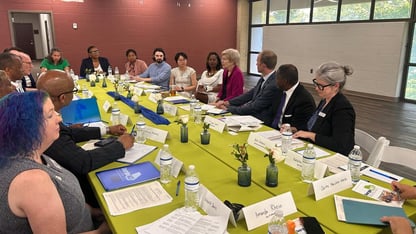
Collins and several other community groups attended workshop sessions, sharing feedback on the plan and offering suggestions for what should be included.

“We absolutely took ideas that they recommended, and we heard from them explicitly around some of the concerns. I think that there’s more to do,” said Atlanta Chief Equity Officer Candace Stanciel, who oversaw the creation of the city’s human rights plan.

However, Collins says that when he saw the published plan, he felt his group’s input was ignored.

“We sat, you know, must have been on seven or eight occasions with the City of Atlanta to provide our input to the Human Rights plan,” he said.

“It was a waste of time, it was a dog and pony show because they would not listen to any of our feedback, even the most benign feedback.”

One of the biggest concerns for the group was to establish protections for the city’s growing unhoused population to be shielded from being rounded up and thrown in jail, similar to what Collins says happened during the 1996 Olympics.

“My worst fear is that this sweep is going to happen again,” said Melodie Rosser, campaign and membership supervisor with Women on the Rise.

“They’re going to displace people. They are going to put them in jail.”

Rosser was a young girl during Atlanta’s last global sporting event. She says the city’s main fixture and even some street vendors just disappeared overnight, and it was unlike anything she had ever seen.

“They displaced 9,000 people that year. And 18 months before the Olympics actually came, they started shipping people out.”

Rosser and other advocates say that Atlanta missed an opportunity to take a firm stance and protect its over 3,000 unhoused people.

“We can’t heal what has happened already. You know, you can’t change the past. You can’t put a Band-Aid on it. It’s how we are gonna approach making these policies moving forward,” said Rosser.

“As a coalition, we believe that the vast majority of people in Atlanta want a more equitable city, that we want large events to benefit everyone in the city,” added Mark Spencer, an internal medicine physician in Atlanta, executive director of Stop Criminalization Of Our Patients (SCOOP) and a member of Play Fair ATL.

Spencer believes that the city’s Human Rights plan is filled with rhetoric and needs stronger financial commitments to the investments Atlanta residents need, such as transportation.

“We offered a lot of substantial feedback and expertise from all areas of the Human Rights Action Plan to the city. And we’re essentially fundamentally ignored. So what we’re left with is a document we feel is more performative and essentially devoid of substance. And it’s really disappointing,” he said.

“This tracker is intended to create a centralized, transparent, evidence-based system for monitoring whether Atlanta is meeting the commitments it made to workers, residents, visitors, and vulnerable communities ahead of the World Cup.”

Declan Abernethy, creator of the ATL26 Promise Tracker

Collins says that while it may be too late to adjust Atlanta’s plan, being vocal and holding the city accountable is valuable as we continue to attract sports spectacles like the Super Bowl and the NCAA Men’s Final Four like a moth to a flame.

“These events can be tremendously disruptive, and we just want to make sure that community members have a seat at the table as the planning is happening for these events. And as I say, that’s not happened this time round, but we’re optimistic, we’re putting in place the steps so that it can happen in the future,” said Collins.

He says this is only the beginning, and Play Fair ATL will continue to keep track of how the city lives up to its promises.

“We will also do an after-action report about what has the impact of the World Cup. On people here, ways in which the city performed well, ways in which we fell short, and you know what we ultimately want is to create a roadmap for these mega events and mega projects in the future,” said Collins.