Sandy Springs, Atlanta water fight seeps into service talks

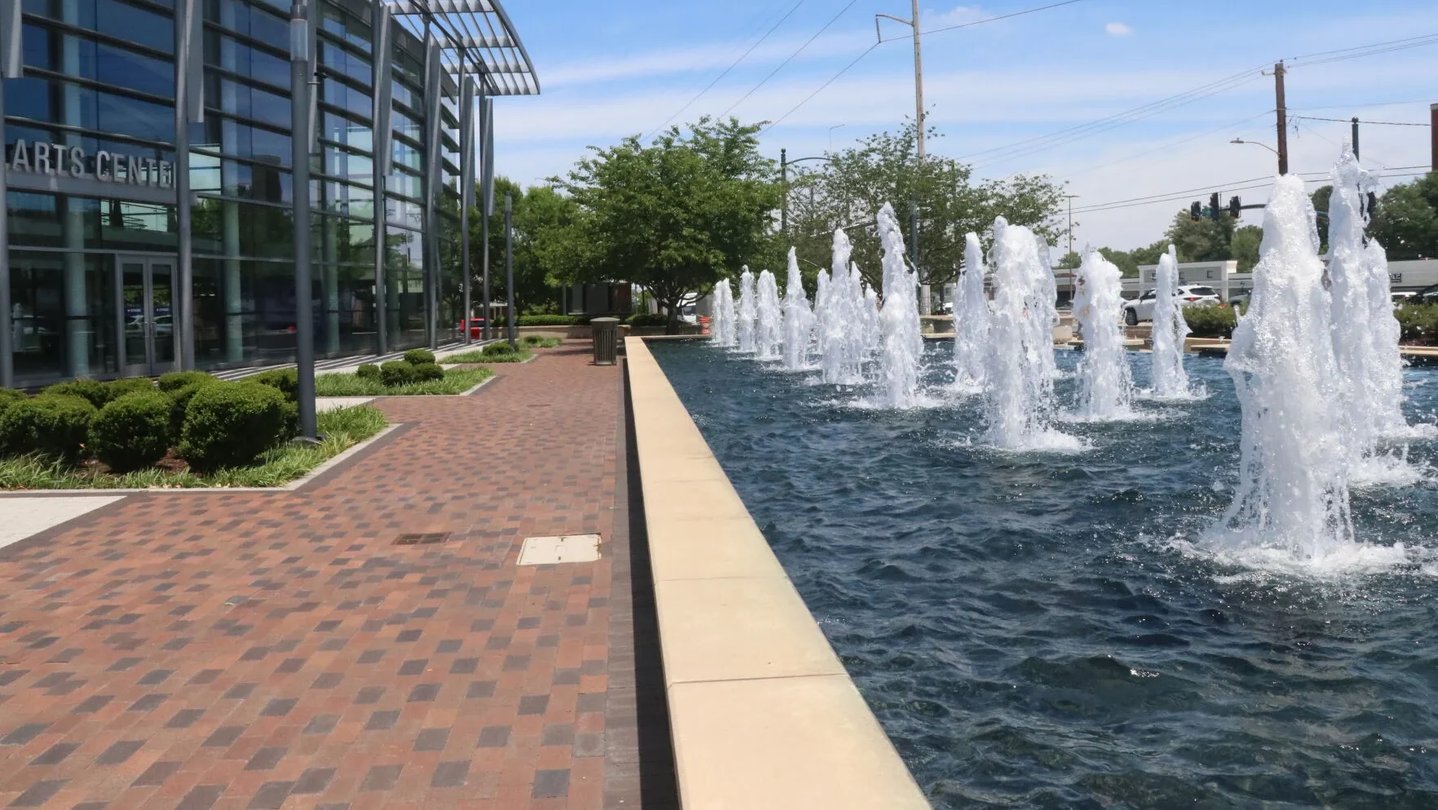
Water fountains at City Springs flowed freely in early May, but city officials say the City of Atlanta’s neglect of water infrastructure has caused low pressure at hospitals and businesses, making it a public safety issue. (Dyana Bagby/ Appen Media)

SANDY SPRINGS, Ga. — The longstanding feud between the cities of Sandy Springs and Atlanta over water supply and distribution has spilled over into service delivery negotiations with Fulton County.

The dispute could lead to the cities losing valuable state and federal dollars if an agreement is not reached.

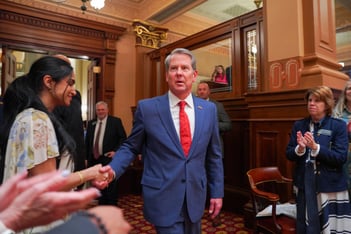
Sandy Springs Mayor Paul was harsh in his assessment of how Atlanta has responded to his city’s water woes at a May 12 Fulton County Service Delivery Strategy meeting. The years-long dispute is not just about water bills but is one of public safety, he said.


“This is beyond now just being concerned about how much we’re being charged for water,” Paul told county and city leaders. “It’s truly a health and safety issue.”

Sandy Springs has purchased water from the Atlanta Department of Watershed Management since before it incorporated in 2005. But in the two decades since, the two governments have never reached a formal agreement on an arrangement, Paul said. Without that agreement, Paul said Atlanta has allowed critical infrastructure to deteriorate without accountability.

Paul said the city’s own engineering assessments estimate that between $40 million and $100 million in upgrades are needed to meet current demand.

Getting to specifics

Paul listed litany of problems with the water system.

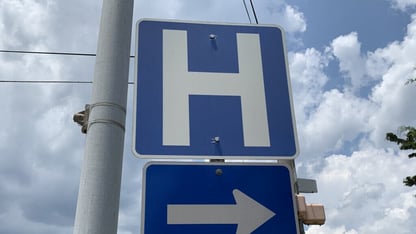
Hospitals in Sandy Springs, he said, are reporting inadequate water pressure during peak hours. Some multi-story buildings cannot generate enough pressure to flush toilets above the third floor. Firefighters have raised concerns about whether sufficient flow is available to fight certain types of fires. And Atlanta’s lack of response to come up with any kind of solution is frustrating, he said.

“We’re down now to having utilized the water storage tanks to maintain pressures, and at certain times, particularly in the evening of high demand, those tanks are drawn down to a dangerously low level,” Paul said. “We had a meeting with Watershed last week, where we raised these concerns, and they simply took notes. They have not brought any plans, or any ideas or any solutions to the table.”

Sandy Springs has been in litigation with Atlanta for 15 years over a 21 percent surcharge the city pays on water delivered outside Atlanta’s city limits. Paul said at the meeting the fee is unjustified because Atlanta draws from the Hemphill Water Treatment Plant to provide Sandy Springs with water. Paul said Sandy Springs is closer to the Tom Lowe Atlanta-Fulton County Water Treatment Plant in Johns Creek than the Hemphill plant on 17th Street in Atlanta.

The Tom Lowe plant serves the rest of North Fulton including Alpharetta, Johns Creek and Roswell.

Atlanta Chief Operating Officer Lashondra Burks pushed back against Paul, saying Atlanta is committed to having conversations and finding solutions. She said that after a recent meeting with Sandy Springs, Atlanta asked the city to submit a consolidated list of infrastructure concerns, but no list has been received.

“We are still waiting on the list,” Burks said. “We would like to have these conversations to address all your issues. That is what we are committed to.”

Looking for conversation

Burks told Paul that because Atlanta does not know what new development and growth is happening in Sandy Springs, it cannot determine infrastructure needs and water capacity.

“You don’t have to come to the City of Atlanta for permits, but if we have a great partnership [so that] we know you’re building hotels, we know that you’re building hospitals — those are the type of partnerships that we can work on the front end for water versus on the back end,” she said.

In short, Burks said, it’s difficult for Atlanta to address water needs when Sandy Springs provides no information on its development.

Paul shot back that Sandy Springs has handed Atlanta every engineering study it has commissioned.

“If you go back and read those studies we’ve provided you, that’s the list,” he said.

The debate between Atlanta and Sandy Springs impacts negotiations between Fulton County and its cities. Every 10 years, the state mandates the county and its cities to reach agreement on which services the county provides and how much each city should be charged.

Fulton County, for example, provides senior services, animal control and operates the jail.

Failure to finalize a Service Delivery Strategy agreement by the end of the year means losing access to state grants and federal pass-through funding. A recently passed change in state law now limits that penalty to only the parties in dispute — in this case, Atlanta and Sandy Springs — rather than all of Fulton County’s cities. Paul said the threat of losing funding should motivate both cities to reach a deal.

“I’m hoping with the sword of Damocles hanging over our heads, we’ll get some kind of agreement,” Paul said. “If not, then we’ll be in court until we can get this resolved, and in that period neither city will be able to get grants from the state or the feds.”

Several south Fulton mayors voiced similar frustrations with Atlanta over inadequate pressure and delayed development projects tied to water capacity constraints. A long-term solution may be a regional water authority, Paul said.

“The problems are so profound and affect so many of our areas of operation — economic development, health care, public safety,” he said. “It may be beyond the scope of the city of Atlanta to be able to fix.”