For as long as schools have policed hairstyles as part of their dress codes, some students have seen the rules as attempts to deny their cultural and religious identities.
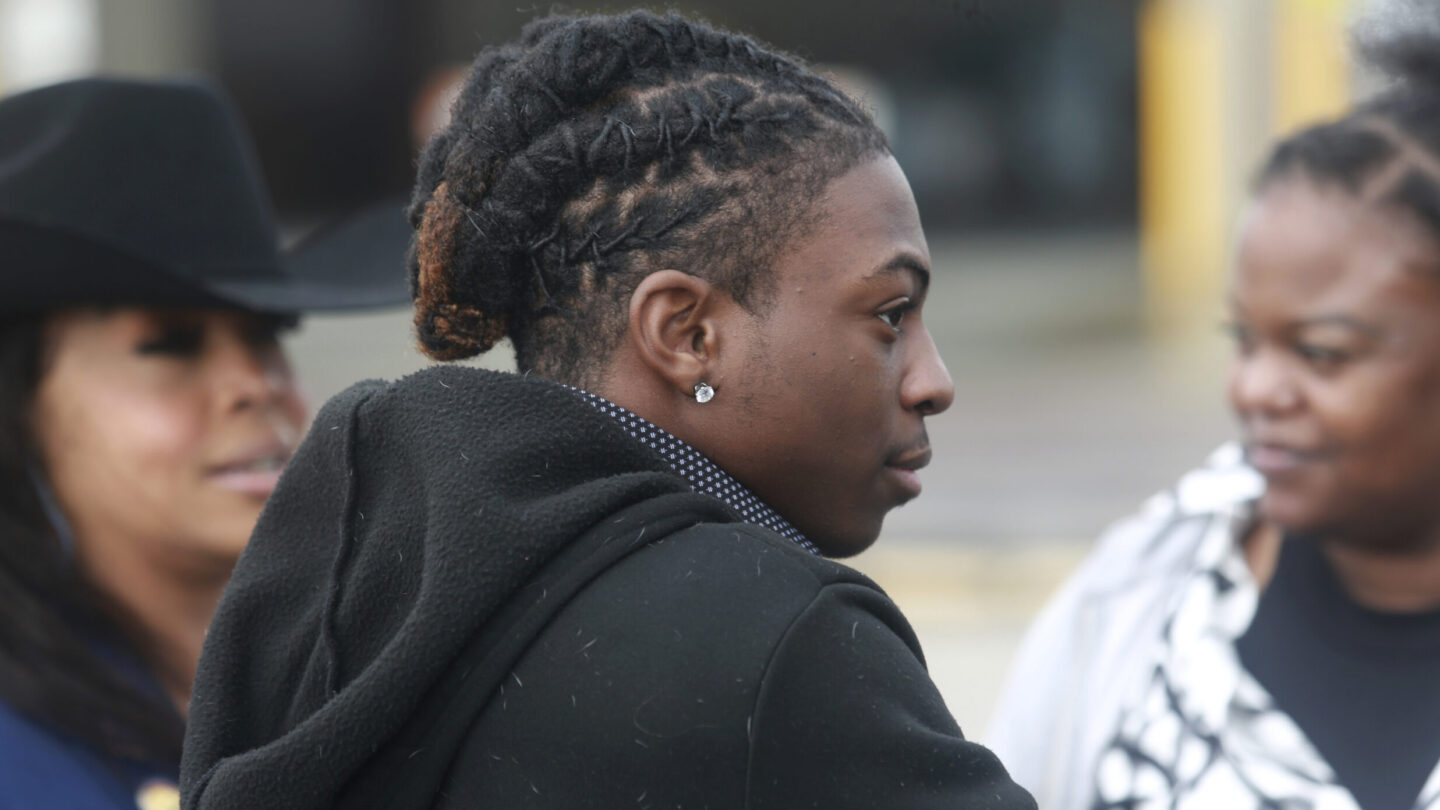
Nowhere have school rules on hair been a bigger flashpoint than in Texas, where a trial this week is set to determine whether high school administrators can continue punishing a Black teenager for refusing to cut his hair. The 18-year-old student, Darryl George, who wears his hair in locs tied atop his head, has been kept out of his classroom since the start of the school year.
To school administrators, strict dress codes can be tools for promoting uniformity and discipline. But advocates say the codes disproportionately affect students of color and the punishments disrupt learning. Under pressure, many schools in Texas have removed boys-only hair length rules, while hundreds of districts maintain hair restrictions written into their dress codes.
Read this story now for free
To continue reading, sign up for our newsletter and get unlimited access to WABE.org
You can select your preferences for news and local content. We will never share your email address. Learn how your newsletter sign-up will support WABE and Public Media