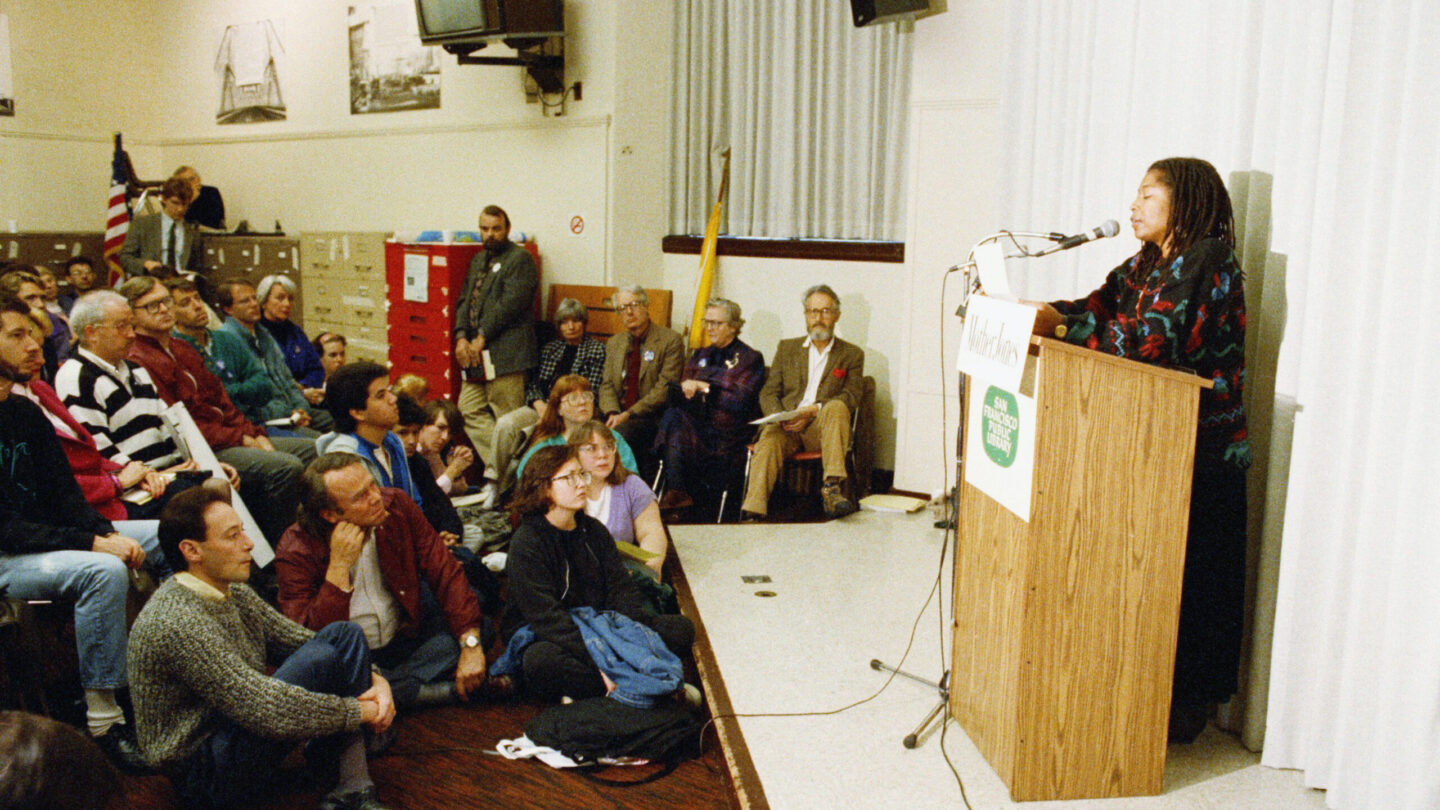
In a small meeting hall in downtown Manhattan in 1989, more than 20 prominent writers stood in turn to read aloud the work of writer Salman Rushdie and denounce the fatwa that had just ordered his death.
Back then, the fatwa prompted an outpouring of support for Rushdie while also igniting a debate about the complicated collision of art and free expression with offensiveness.
Now, more than three decades later, those outpourings and debates have come back to the fore in the wake of a brutal knife attack on Rushdie at an art and literary retreat in New York.
Read this story now for free
To continue reading, sign up for our newsletter and get unlimited access to WABE.org
You can select your preferences for news and local content. We will never share your email address. Learn how your newsletter sign-up will support WABE and Public Media