Nearly two dozen states have moved to restrict abortion or ban it altogether since the reversal of Roe v. Wade — meaning more people, especially those with low incomes and from marginalized communities, will be forced to carry unwanted pregnancies to term.
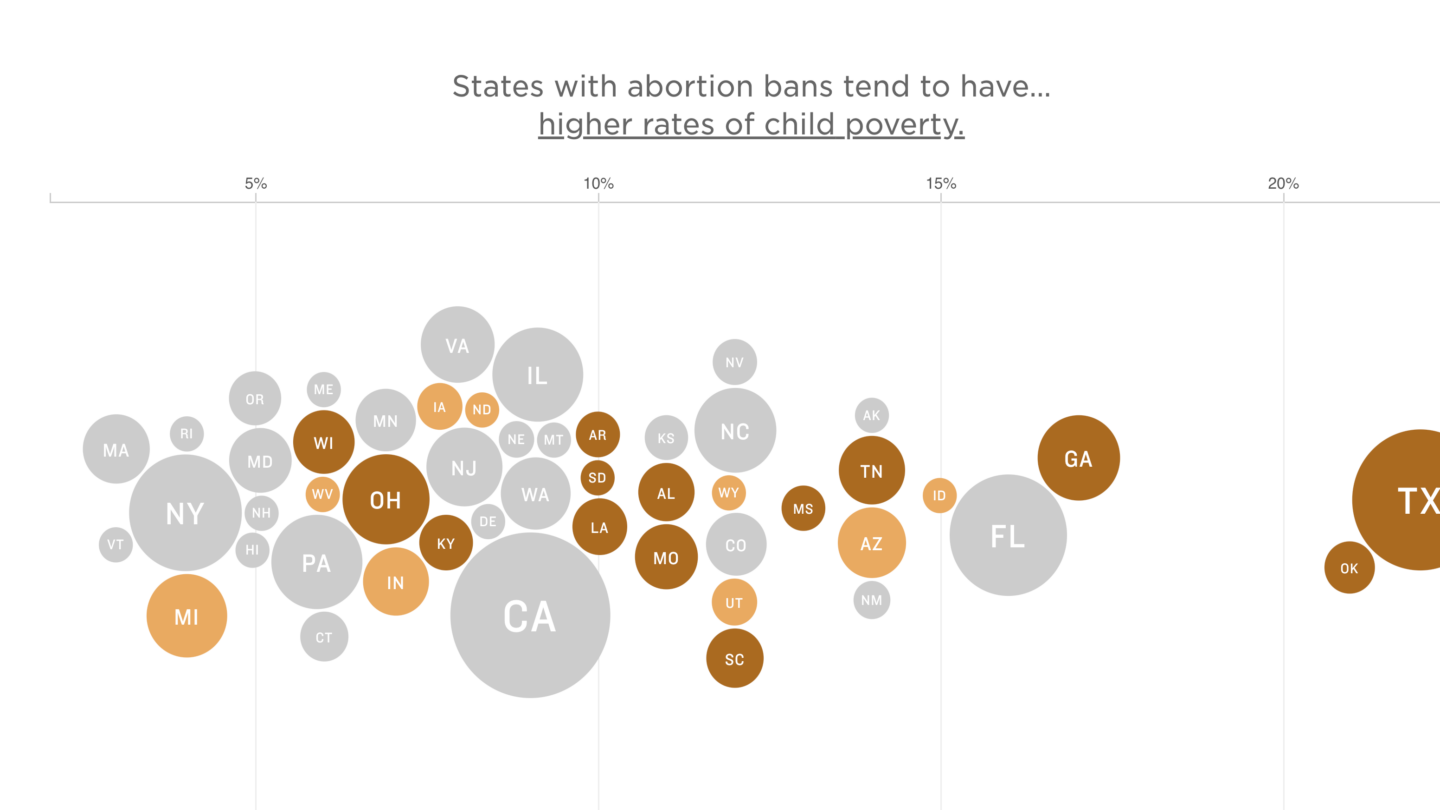
So are states prepared to pay for the infrastructure needed to support these parents and children? The data paints a grim picture for many families: Mothers and children in states with the toughest abortion restrictions tend to have less access to health care and financial assistance, as well as worse health outcomes.
Stuart Butler, a senior fellow in economic studies at the Brookings Institution, calls the end of Roe “a double whammy” for people who live in these states, which are mostly in the South.
Read this story now for free
To continue reading, sign up for our newsletter and get unlimited access to WABE.org
You can select your preferences for news and local content. We will never share your email address. Learn how your newsletter sign-up will support WABE and Public Media