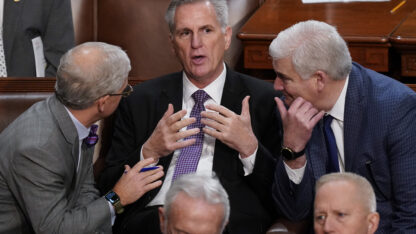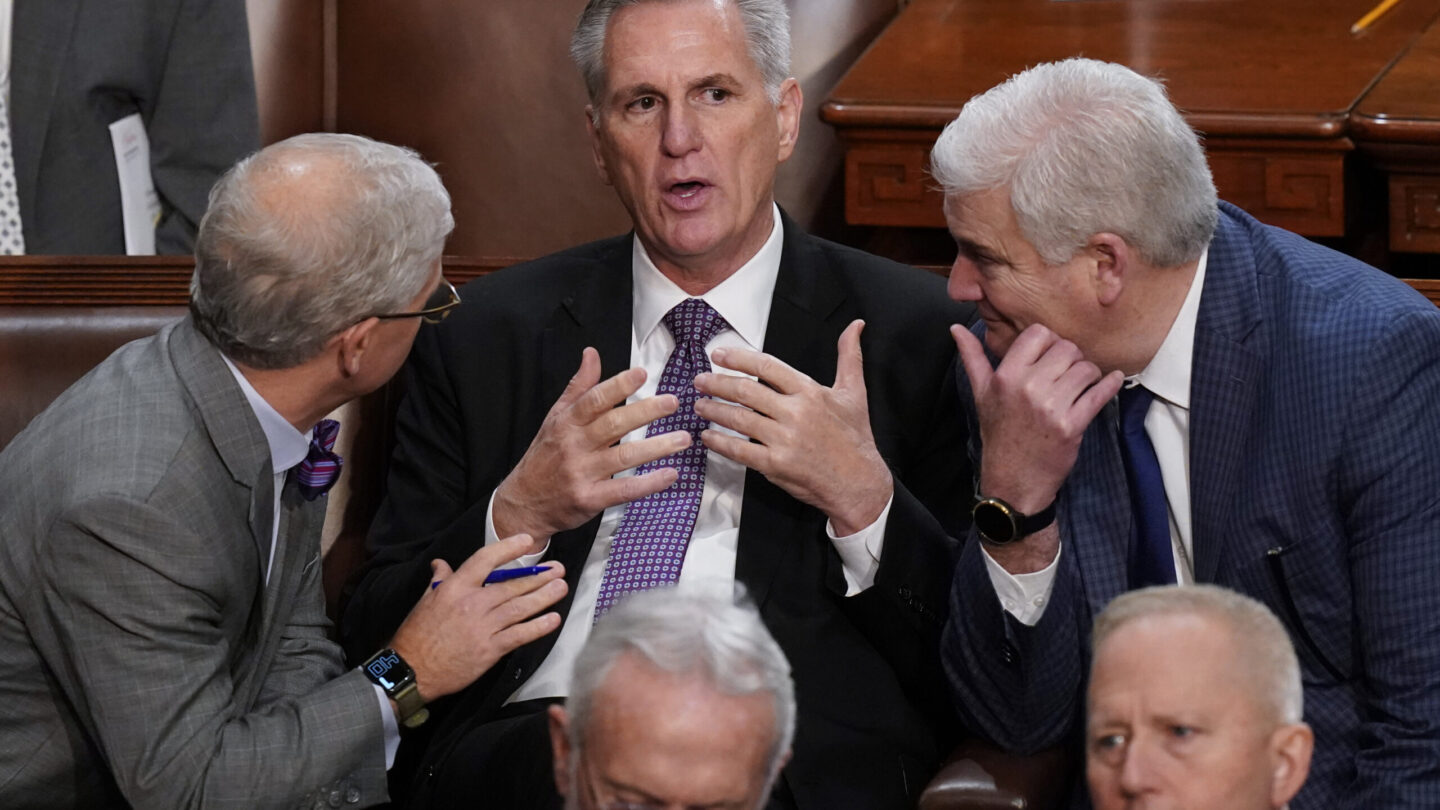
If you heard it once this week you probably heard it a hundred times: The House has not failed to elect a speaker on the first ballot in 100 years.
For generations it was the definition of party loyalty for every member of each party to vote for its nominee for speaker. In fact for 50 years after World War II, not a single stray vote was cast for anyone other than the two major party nominees.
On several occasions since 1997, we have seen a few members of the majority party voting “present” or voting for someone other than their party nominee. But it has not prevented that nominee’s election as speaker.
Read this story now for free
To continue reading, sign up for our newsletter and get unlimited access to WABE.org
You can select your preferences for news and local content. We will never share your email address. Learn how your newsletter sign-up will support WABE and Public Media