The Inflation Reduction Act signed into law Tuesday by President Biden includes more than $360 billion dollars to address climate change. That’s the largest single investment ever made to reduce greenhouse gas emissions – something the White House and major environmental groups are touting as a huge win for humanity.
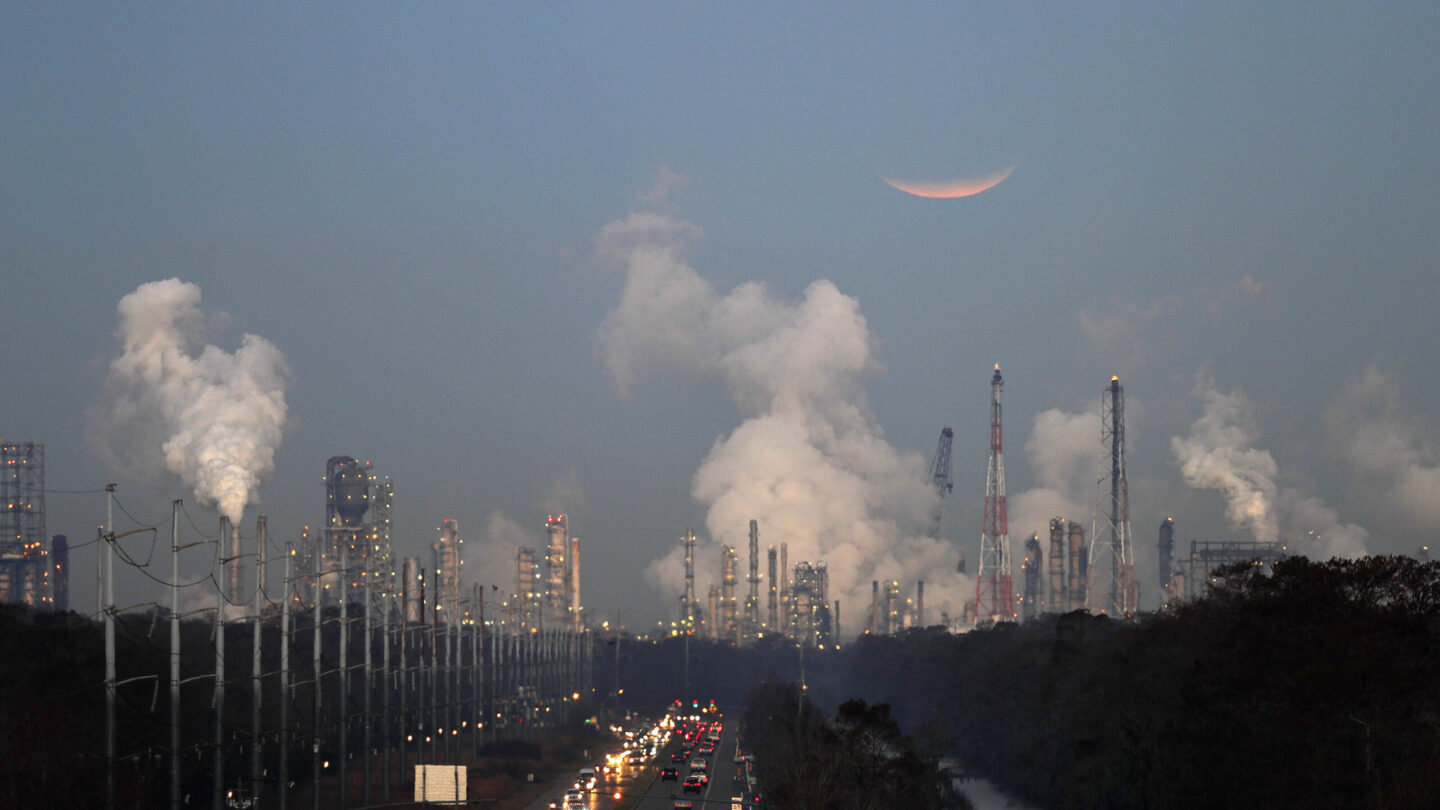
But not everyone will feel the benefits of the new bill equally, analysts and advocates warn. People living in neighborhoods that are already dealing with a lot of pollution fear they will face more harm and climate risk, not less. And that could deepen existing environmental inequalities and lock in decades of unnecessary illness and suffering for people who are already marginalized.
“There are some parts [of the law] that are good, and there are some parts that are really bad,” says Mijin Cha, a professor at Occidental University who studies how to make the transition to a low-carbon economy fairer for workers and communities. “And the parts [of the law] that are really bad are pretty significant.”
Read this story now for free
To continue reading, sign up for our newsletter and get unlimited access to WABE.org
You can select your preferences for news and local content. We will never share your email address. Learn how your newsletter sign-up will support WABE and Public Media