In 1965, Congress took a major step in addressing the plight of schoolchildren growing up in some of the nation’s most impoverished communities: It passed the Elementary and Secondary Education Act. At the time, it was considered an important victory in the “war on poverty.”
For the children of migrant farmworkers, however, the law has fallen short. Their quality of life and their education have not improved that much, according to the Interstate Migrant Education Council. These kids still drop out at high rates and graduate from high school at low rates — researchers even have a term for it: “mobility-induced educational discontinuity.”
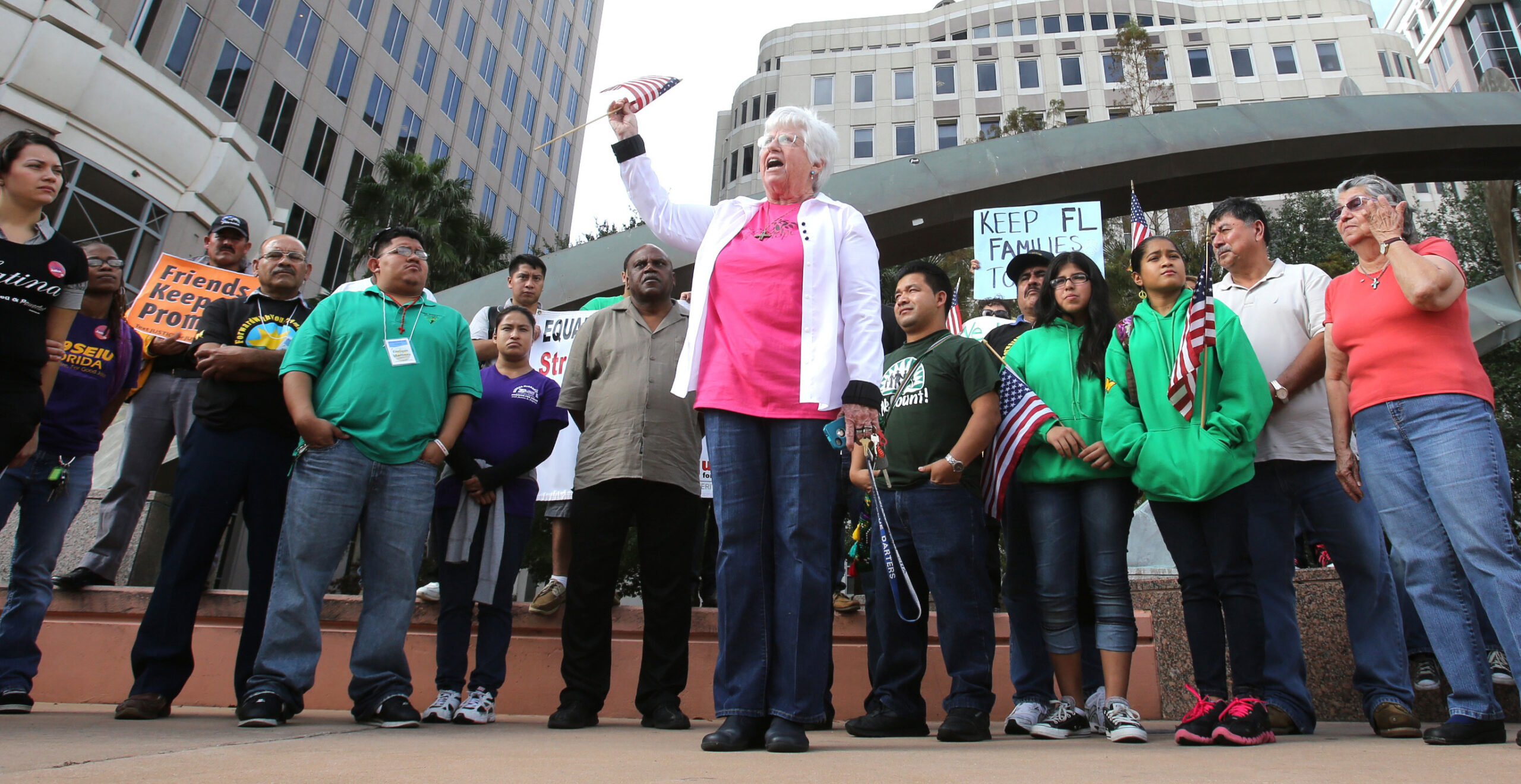
For the past 45 years Ann Kendrick, a Catholic nun, has worked with these students — children of migrant workers — in Apopka, Fla., just northwest of Orlando. There, off a long stretch of highway, Kendrick runs the Hope Community Center. She’s blunt when she describes the problems these families face:
Read this story now for free
To continue reading, sign up for our newsletter and get unlimited access to WABE.org
You can select your preferences for news and local content. We will never share your email address. Learn how your newsletter sign-up will support WABE and Public Media