Kendall Murry
| WABE
July 13th, 2026
Updated July 14, 2026,
2:23 PM EDT
The CDC reported Friday that a significant outbreak of a gastrointestinal disease is rapidly occurring across Georgia and 30 other U.S. states.
The public health agency says that 843 nationwide cases of cyclosporiasis have been documented between May 1 and July 9. Of the nationwide cases, there have been 86 hospitalizations and zero deaths.
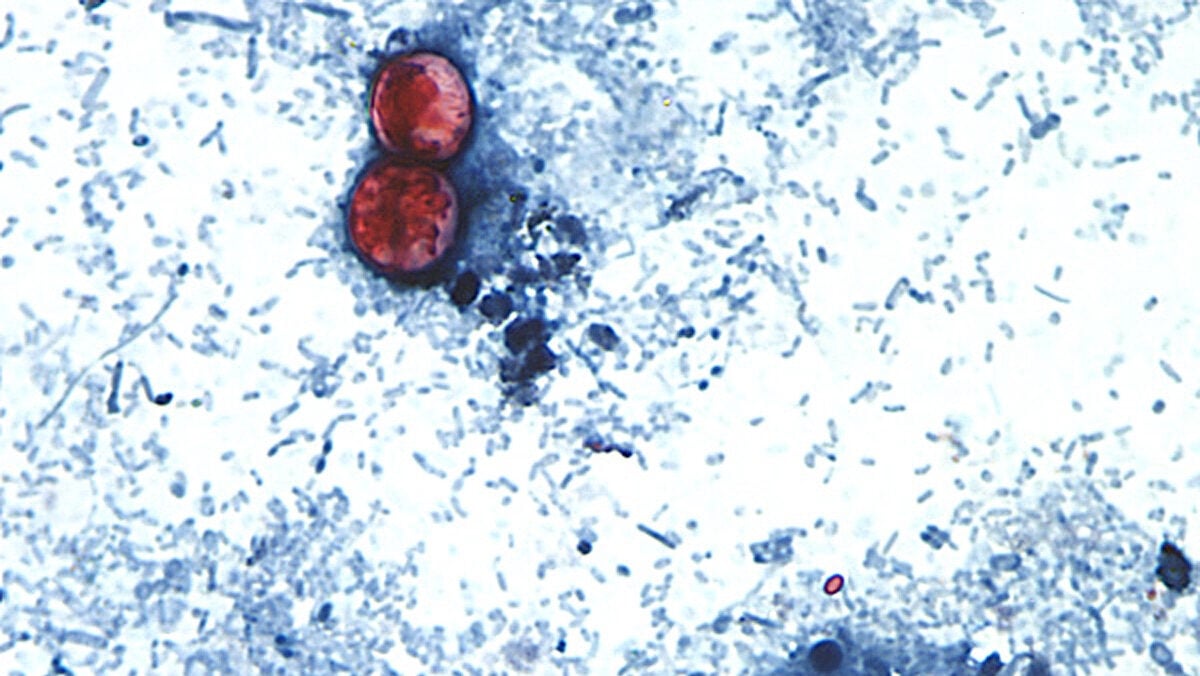
What is cyclosporiasis?
The intestinal disease causes watery diarrhea, explosive bowel movements, bloating, cramping and loss of appetite.
People can become infected by consuming food or water that contains the parasite, with the illness lasting anywhere from a few days to over a month.
The Georgia Department of Public Health says that symptoms may seem to go away and then return one or more times.
“Although domestically acquired cases occur in Georgia every year, typically most cyclosporiasis cases in the state are associated with international travel,” the agency said in a press release on Monday.
“At this time, DPH is not aware of any Georgia-specific outbreaks, clusters, or potential links to the outbreak that has sickened more than a thousand people across multiple states.”
The CDC notes that between 11 to 30 cases of cyclosporiasis have been documented in the state over a two-month period as of Monday.
What are CDC officials saying?
During a conference call on Wednesday, Gwen Biggerstaff, deputy director of CDC’s division of foodborne, waterborne and environmental diseases, stated that the agency has yet to identify a specific food source causing the outbreaks.
She said there are more than 5,000 additional reported cases nationally beyond the 1,645 officially identified by the agency. However, these cases still need to be analyzed before being added to the count. No deaths have been reported thus far.
The CDC expects cases to increase at least through the end of August and is holding regular conversations with state and local public health departments to investigate the outbreak and share data. So far, four midwestern states have been cited as having large outbreaks.
The agency also emphasized that despite increasing rates, cyclosporiasis does not spread directly from person to person.
How can residents protect themselves against cyclosporiasis?
DPH officials are encouraging residents to take extra precautions when purchasing, preparing and consuming fresh fruits and vegetables to help prevent catching the disease.
These measures include:
- Washing hands with soap and water before and after handling or preparing raw fruits and vegetables
- Washing all fruits and vegetables thoroughly under running water before eating, cutting or cooking
- Fruits and vegetables that are labeled “prewashed” do not need to be washed again at home
- Scrubbing firm fruits and vegetables, such as melons and cucumbers, with a clean produce brush
- Cutting away any damaged or bruised areas on fruits and vegetables before preparing and eating
- Refrigerating cut, peeled or cooked fruits and vegetables as soon as possible (within two hours)
WABE editor Melissa Feito contributed to this report.
Editor’s Note: This article has been updated to include additional information from CDC officials.