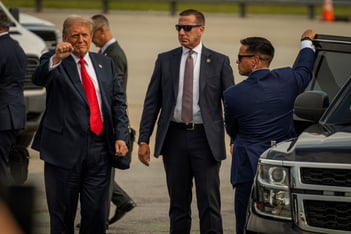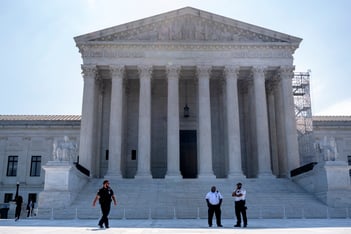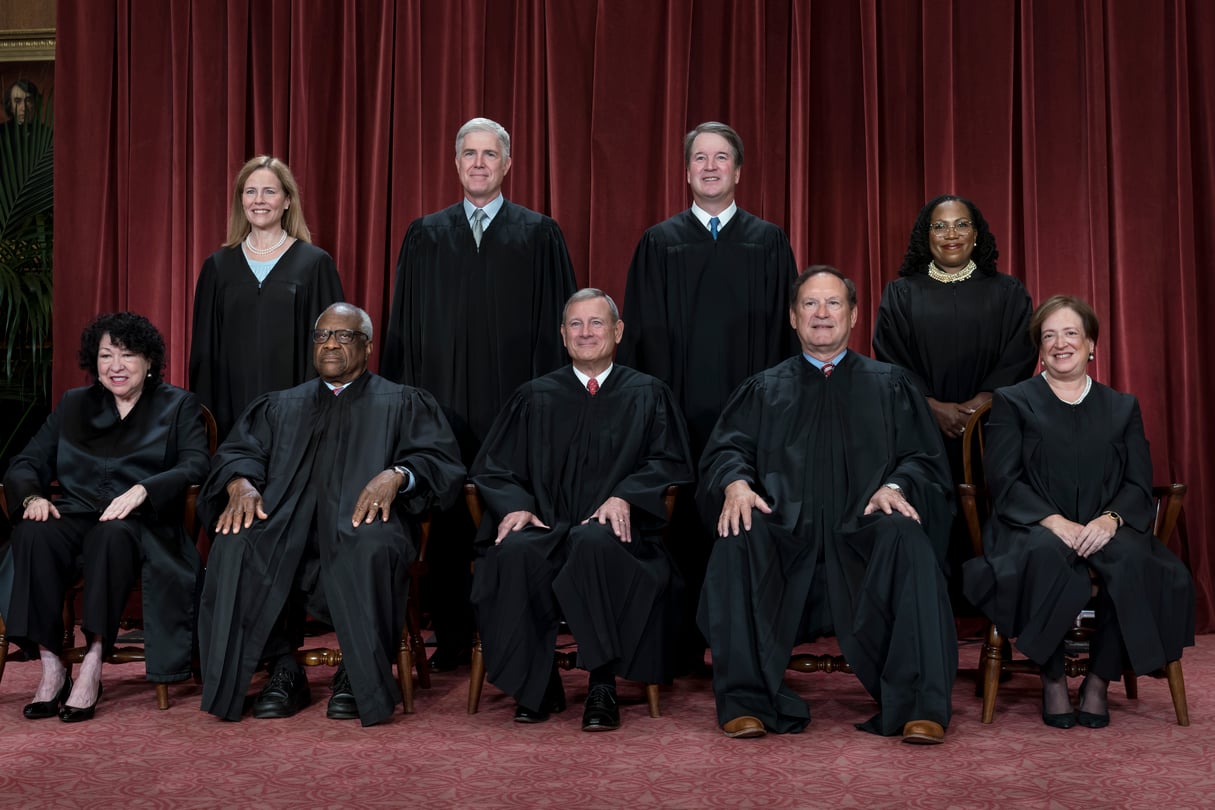
The Supreme Court’s ruling Monday in former President Donald Trump’s 2020 election interference case makes it all but certain that the Republican will not face trial in Washington ahead of the November election.
In a 6-3 ruling, the justices said that former presidents are shielded from prosecution for official acts but do not have immunity for unofficial acts. The Supreme Court sent the case back to the lower court to determine whether core aspects of the indictment are unofficial versus official, and therefore potentially shielded from prosecution.
Here’s what to know about the ruling and what comes next:
Read this story now for free
To continue reading, sign up for our newsletter and get unlimited access to WABE.org
You can select your preferences for news and local content. We will never share your email address. Learn how your newsletter sign-up will support WABE and Public Media