Without new state funding, Georgia domestic violence, sexual assault programs brace for the worst

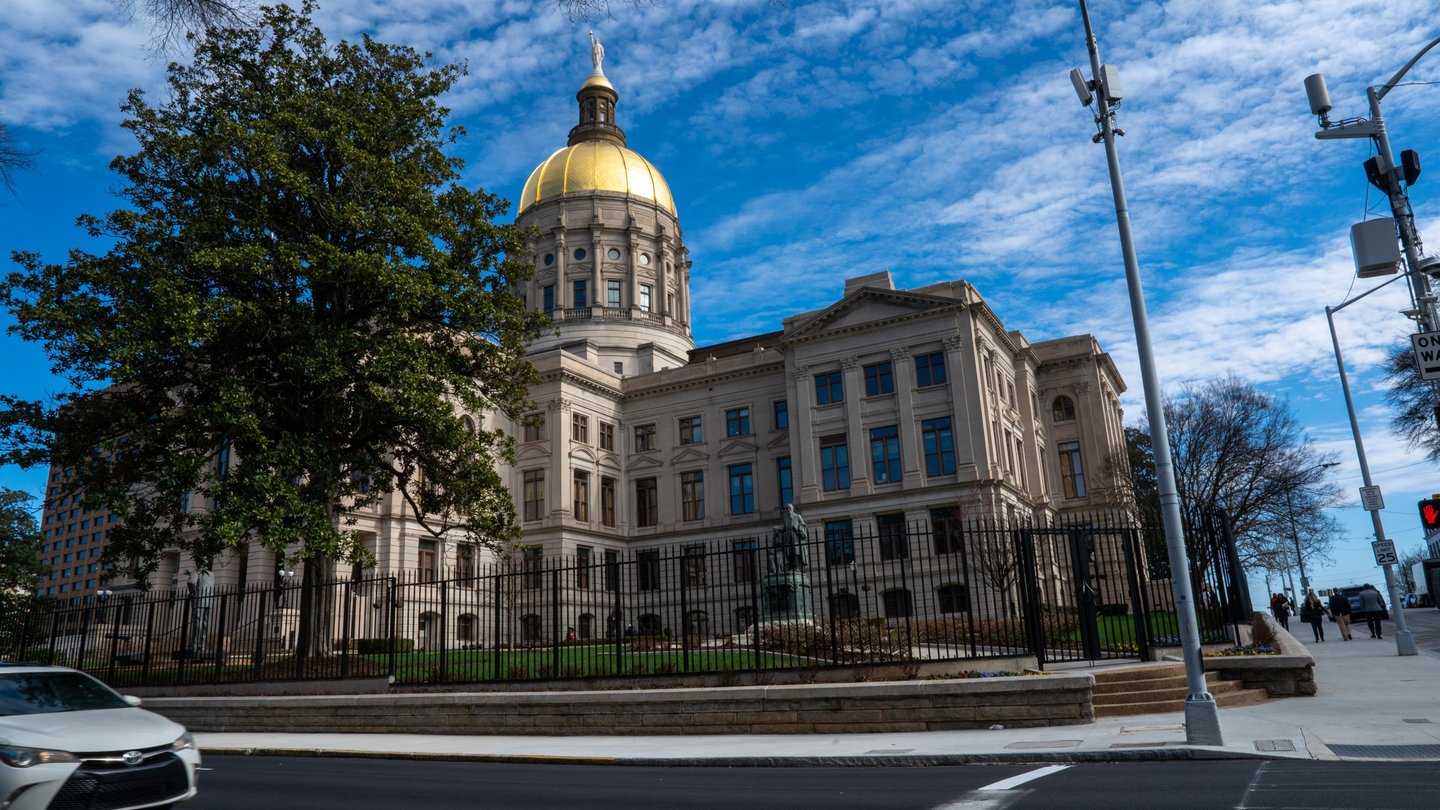
The Georgia State Capitol building is shown on a sunny day
The Georgia State Capitol in Atlanta, Georgia, is shown in January 2023. (Matthew Pearson/WABE)

The two dozen beds at the Haven, a domestic violence shelter in Valdosta, are almost never enough, according to Executive Director Michelle Girtman. 

Rising demand for services and years of declining government support have left the south Georgia shelter — along with more than 50 domestic violence and sexual assault programs across the state — stretched thin. 

A saving grace for these organizations seemed to arrive in April, when state legislators passed next year’s budget with an added $13 million in funding for domestic violence, sexual assault and child advocacy programs. Organizations rejoiced to see $9.4 million dedicated to helping people experiencing domestic violence and $3.3 million allocated for sexual assault services. 


However, when the budget landed on Gov. Brian Kemp’s desk, he vetoed more than $300 million in new spending, including the additional funds for domestic violence and sexual assault services. Kemp made the cuts to help pay for an income tax package that lawmakers passed earlier this year that created a $1.3 billion deficit. 

Kemp said at the time that he targeted new spending when looking for areas to cut. 

For shelters like the one in Valdosta, those funding increases weren’t just nice to have — they were essential, according to Jan Christiansen, executive director of the Georgia Coalition Against Domestic Violence. 

In 2024, the Georgia Commission on Family Violence reported that Georgia-certified domestic violence agencies answered 110,001 crisis calls. The commission also documented a 12% increase in domestic violence reports from 2023 to 2024, highlighting a growing need for survivor services.

“We’re going to have to redefine what helping victims looks like right now until we see what the next Legislature is going to do,” Girtman said.

The Haven, which runs a domestic violence shelter and sexual assault center, almost always operates beyond its capacity, according to Girtman. Serving nine counties in south Georgia, the organization often has to house women in hotels or send them to programs in other counties. 

Girtman said the planned state funding would have allowed the Haven to meet its rising housing demand and maintain staffing levels. But the loss of that additional aid has forced them to regroup and look for ways to cut costs. 

The Valdosta organization is not the only one in emergency mode. Christiansen said nearly all programs across the state are scrambling to help the people showing up at their door. 

“Survivors are not going to be able to get everything they need from a reduced staff, and staff are going to burn out, and it’s going to be a vicious cycle, and it’s really heartbreaking,” she said. 

State Rep. Karen Lupton, a Chamblee Democrat who is a vocal supporter of these programs, said she was “devastated” by the governor’s decision to cut the new funding in next year’s budget. Lupton emphasized how she and other Democratic legislators worked across the aisle with Republicans to push for the funding. 

For Lupton, helping survivors of domestic and sexual abuse is deeply personal — she is a  survivor of sexual assault herself. She explained that along with providing emergency housing and medical care, many domestic violence and sexual assault organizations also assist with legal services, counseling and long-term housing.

Lupton told the Georgia Recorder that when she went to the Grady Rape Crisis Center seeking care years ago, their help extended past just the initial health services. 

“This is 29 years ago, but when I showed up in court, there was a Grady advocate there, holding my hand,” Lupton said. “I don’t think people understand that’s what they do. They don’t just give somebody a gown and take a swab and send them out the door.

She added that domestic and sexual abuse programs contribute to greater public safety. According to Christiansen, whose organization represents over 50 programs across Georgia, the support goes a long way in protecting entire communities. 

Lupton said Kemp’s decision to cut the additional funding for these programs would result in worsening care for survivors.  

“The money has to come from somewhere … and I hope you plan on spending that tax break to support all the services that will now have to be shut down because they no longer have state funds,” Lupton said. “That’s not what happens. What happens is services disappear.”

Reduced access is exactly what communities across Georgia should expect unless a “miracle” happens, according to Girtman. 

Rep. Bill Hitchens, a Rincon Republican who chairs the budget subcommittee that oversees public safety spending, said he also backed adding the $13 million in spending for domestic violence and sexual assault centers to the budget because of how “important” the resources are for communities. 

“I just can’t imagine young women with small children being turned away and left out on the street to survive on their own,” Hitchens said.

The chairman also noted that federal funding for public safety programs has essentially “dried up” over the years, making state assistance even more crucial. Since 2018, federal funding from the Crime Victims Fund, which supplies grants to over 6,000 victim services organizations, has dropped by more than 70%.

“I’m kind of a conservative when it comes to money,” he said. “But we need to provide help when we can.” 

Girtman lobbied Hitchens and other lawmakers earlier in the year, urging them to add funding for these programs to the next budget because of the increasing demand for services. Hitchens told the Recorder that while he pushed for the additional funds, he also understood that not every program could receive all of its necessary funding. 

“Unfortunately, there’s not enough money to go around for everything everybody wants,” he said. “You have to make hard choices sometimes.” 

In November, Georgians will elect a new governor, which Hitchens said could also affect future state funding priorities. Former Atlanta Mayor Keisha Lance Bottoms, who is the Democratic nominee for governor, will face healthcare executive Rick Jackson, the Republican nominee for governor, in the general election. 

Back in Valdosta, Girtman, who has worked in survivor advocacy for 31 years, is preparing for the worst.

In the immediate future, she worries the Haven will struggle to meet state requirements for domestic and sexual abuse care, such as staffing and medical standards. Girtman told the Recorder that her organization is about $300,000 short of continuing their current operations. She said this funding gap means the center plans to make cuts across all service areas, and while Girtman hopes to avoid layoffs, she wrote in an email that avoiding them is “not guaranteed.”

Centers like the Haven are mandated to employ a certain number and type of employees by the state because of their 24/7 services and rapid-response times. Girtman said laying off employees would result in not meeting their state standards. 

Girtman said she fears some people may be forced to stay in abusive situations if programs across the state begin to cut back or even close. And this reality is not limited to Valdosta. Christiansen said, especially in rural communities, organizations closing would mean lapses in service for entire counties. One shelter, she noted, serves 18 rural counties in southwest Georgia. 

On July 1, the new state budget takes effect. In Valdosta, Girtman said she hopes they can survive with budget cuts but knows she may no longer be able to help every person who walks through the door.

“We’re 24 hours a day, seven days a week. We never close. There’s never a holiday,” Girtman said. “If you start cutting services to domestic violence and sexual assault, where do victims go?”

This story was provided by WABE media partner the Georgia Recorder.