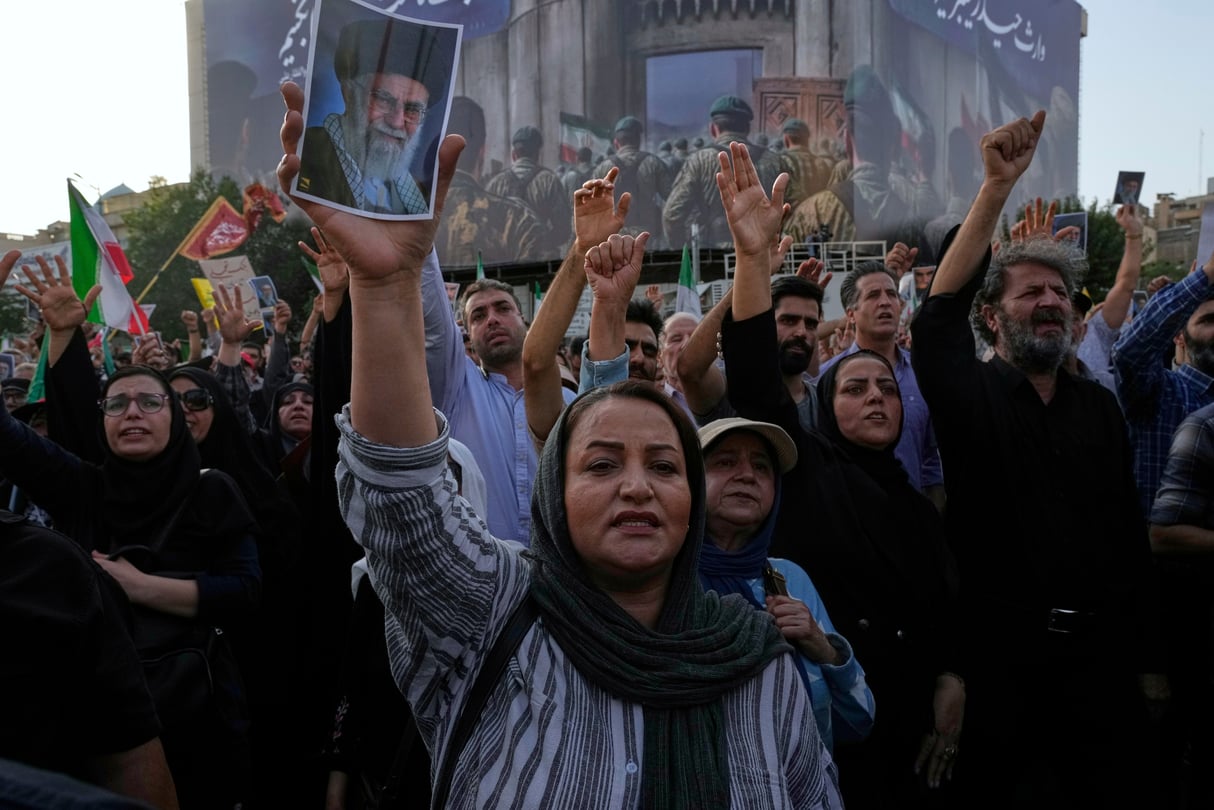
Iran’s government is weighing how to respond after the U.S. military launched a series of coordinated bombing attacks Saturday against three Iranian nuclear facilities in a major escalation of the ongoing Middle East conflict.
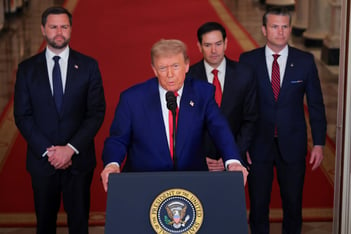
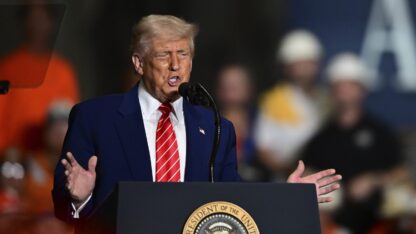
The strikes were intended to prevent Iran from developing a nuclear weapon, according to U.S. officials. President Trump said in a Truth Social post Saturday evening that the American assault was “very successful.”
Earlier in June, Israel began bombing nuclear facilities and other sites across Iran. The two countries have been trading deadly attacks since then, and the U.S. military has helped intercept missiles and drones fired at Israel. But the U.S. did not get directly involved in the Israeli offensive until the surprise strikes on Saturday.
Iran’s foreign minister called the U.S. military operation an “outrageous, grave and unprecedented violation” of the United Nations Charter and international law.
Read this story now for free
To continue reading, sign up for our newsletter and get unlimited access to WABE.org
You can select your preferences for news and local content. We will never share your email address. Learn how your newsletter sign-up will support WABE and Public Media