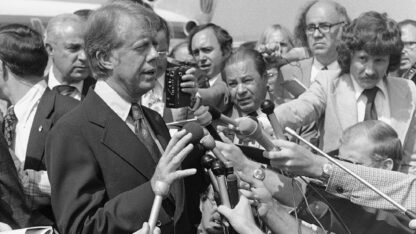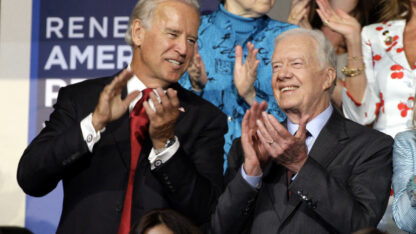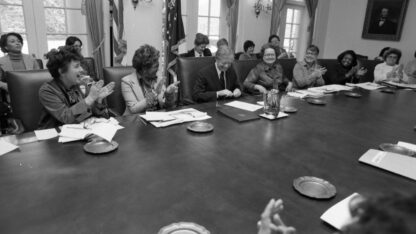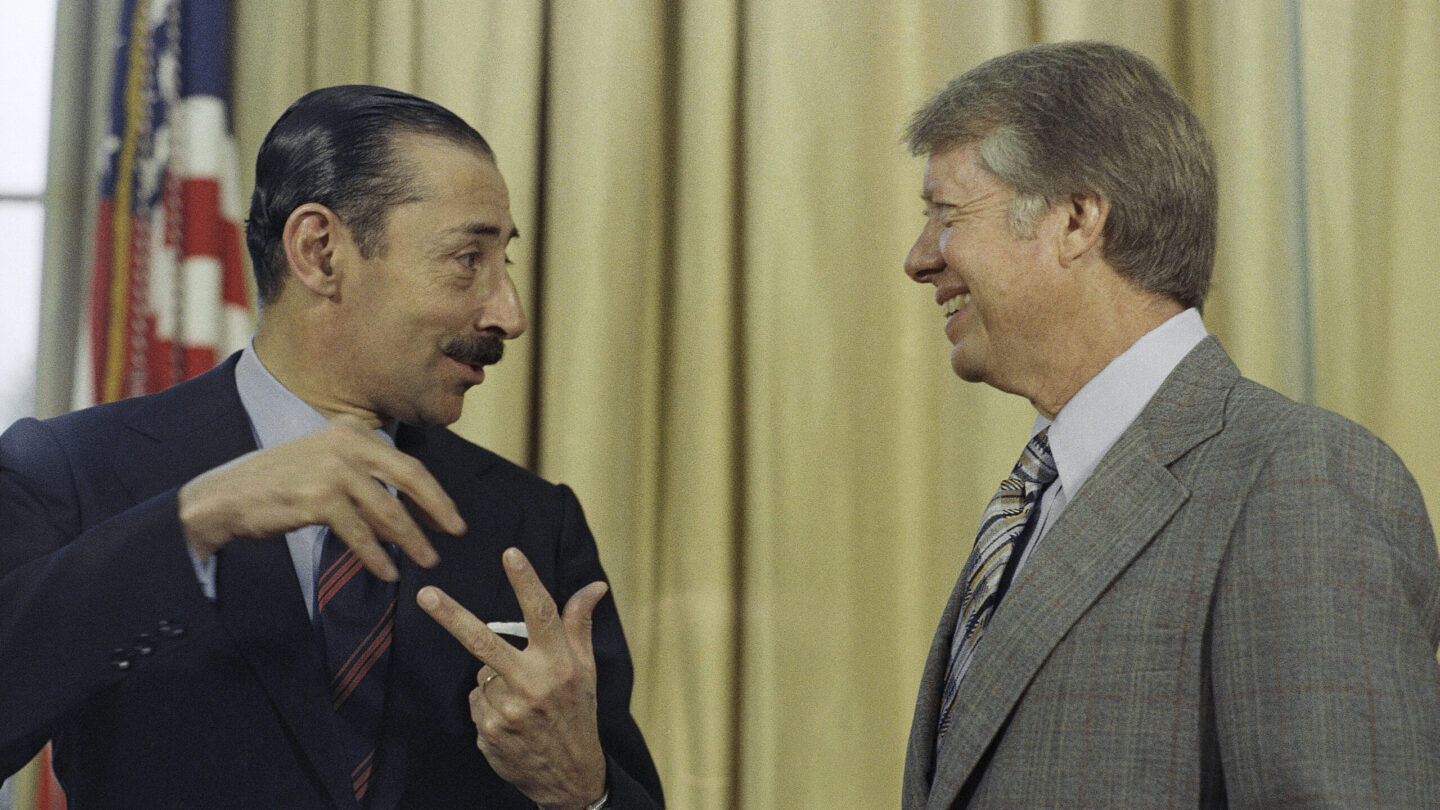
Jimmy Carter tried like no president ever had to put human rights at the center of American foreign policy. It was a turnabout dictators and dissidents alike found hard to believe as he took office in 1977. The U.S. had such a long history of supporting crackdowns on popular movements — was his insistence on restoring moral principles for real?
After Carter, now 98, entered hospice care at his home in Georgia, The Associated Press reached out to several former political prisoners, asking what it was like to see his influence take hold in countries oppressed by military rule. They credit Carter with their survival.
Michèle Montas witnessed the impact from the control room of Radio Haiti-Inter, which carefully began challenging the dictatorship of Jean Claude “Baby Doc” Duvalier after Carter said U.S. aid would depend on the growth of a civil society.
Read this story now for free
To continue reading, sign up for our newsletter and get unlimited access to WABE.org
You can select your preferences for news and local content. We will never share your email address. Learn how your newsletter sign-up will support WABE and Public Media