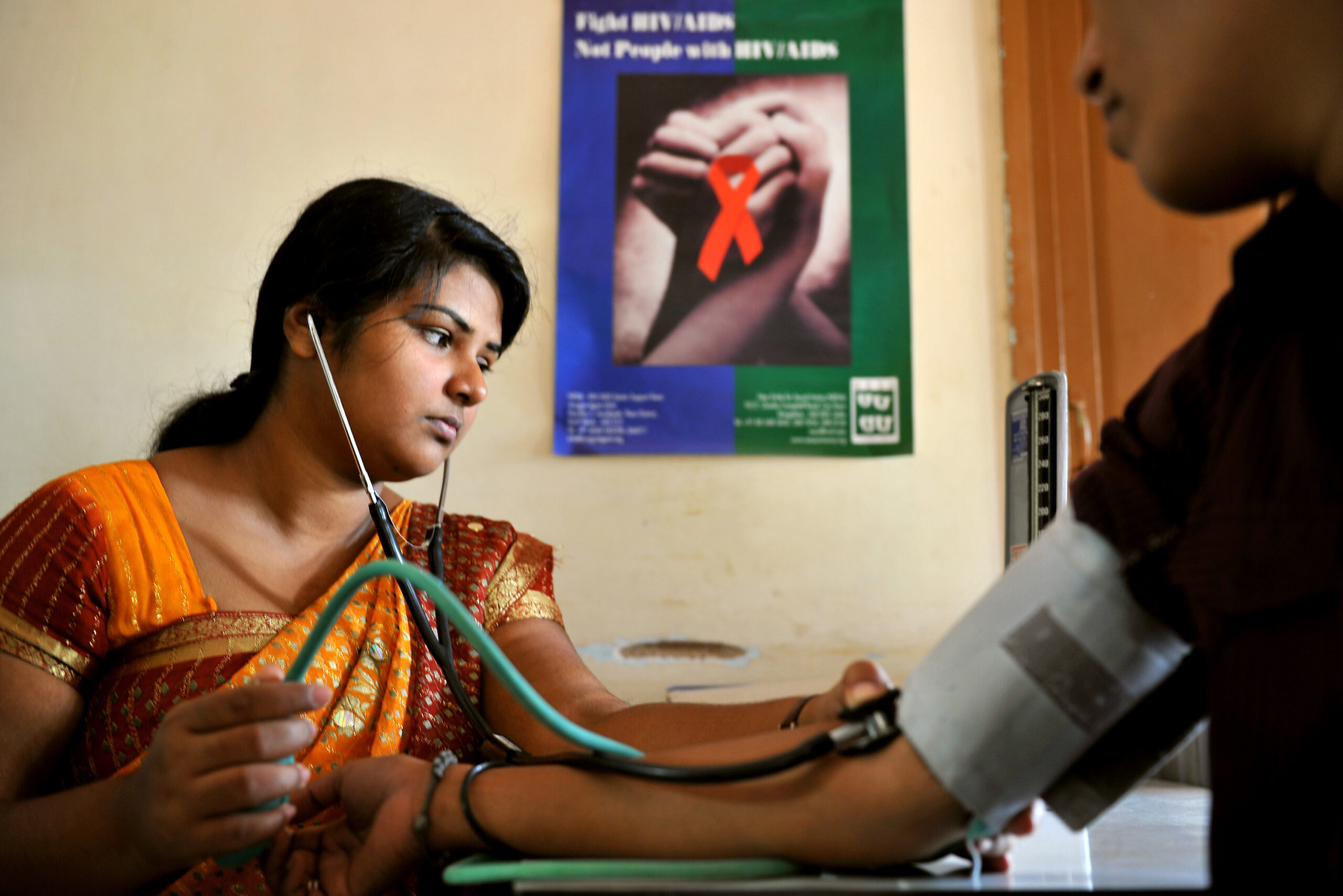
In the early 2000s — the beginning of the third decade of the AIDS epidemic–the world came together in an unprecedented global health effort to provide life-saving AIDS drugs to people even in the poorest corners of the world. It has been an overwhelming public health success story. In 2000, fewer than a million of the then 34.3 million people with HIV/AIDS were being treated with AIDS drugs, and almost all of them lived in wealthy countries. Today, an estimated 20.9 million of the 36.7 million people living with HIV/AIDS receive treatment, most of them living in the poor countries where the disease is most prevalent.
In the view of the public health community, reducing the prices on AIDS drugs and setting up the infrastructure to distribute them to people in poor countries in less than two decades is seen as phenomenal and unprecedented.
But that’s treatment. Prevention efforts are a different story, and if the world doesn’t figure out how to prevent new cases of HIV, stubbornly holding steady at about two million infections a year since 2005, according to a 2016 report in Lancet HIV, a resurgence in the epidemic is possible. That gloomy warning comes from a report by a new Lancet Commission led by the International AIDS Society and published in the July 19 Lancet just days before the start of the 22nd International AIDS Conference on July 22 in Amsterdam.
Read this story now for free
To continue reading, sign up for our newsletter and get unlimited access to WABE.org
You can select your preferences for news and local content. We will never share your email address. Learn how your newsletter sign-up will support WABE and Public Media