It may be a new school year, yet I come to sing the praises of trampolines and bubble-blowing, pillow forts and peekaboo, Monopoly and Marco Polo.
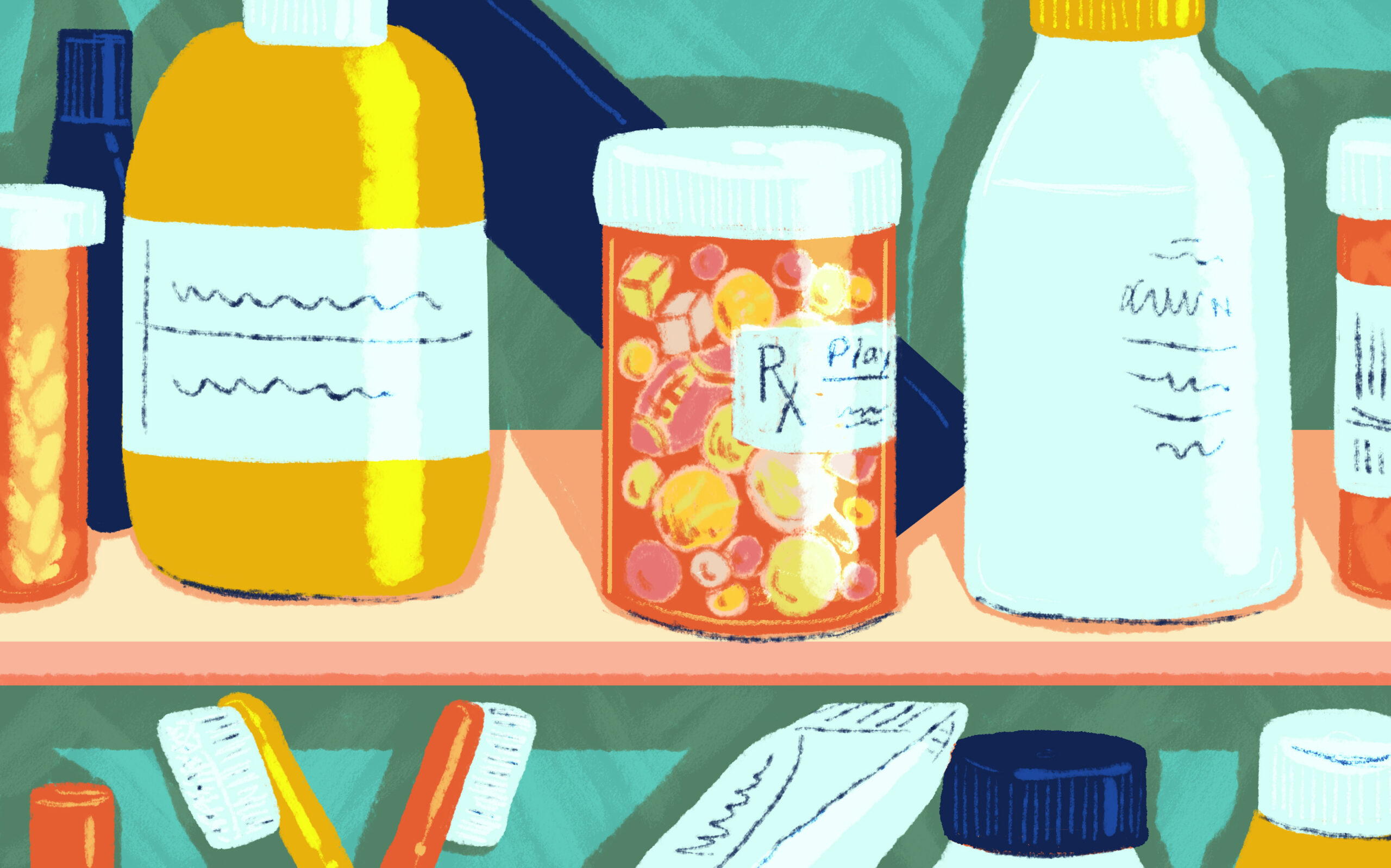
A new paper in the journal Pediatrics summarizes the evidence for letting kids let loose. “Play is not frivolous,” the paper insists, twice. “It is brain building.” The authors — Michael Yogman, Andrew Garner, Jeffrey Hutchinson, Kathy Hirsh-Pasek and Roberta Michnick Golinkoff — ask pediatricians to take an active role by writing a “prescription for play” for their young patients in the first two years of life.
“Play is disappearing,” says Hirsh-Pasek, a developmental psychologist who is a professor at Temple University and a senior fellow at the Brookings Institution. By targeting doctors, she explains, the paper hopes to build on the success of a literacy initiative called Reach Out and Read. That program reaches nearly 5 million children annually by giving out children’s books at doctor visits. “You have an opportunity there” to change behavior, she says.
Read this story now for free
To continue reading, sign up for our newsletter and get unlimited access to WABE.org
You can select your preferences for news and local content. We will never share your email address. Learn how your newsletter sign-up will support WABE and Public Media