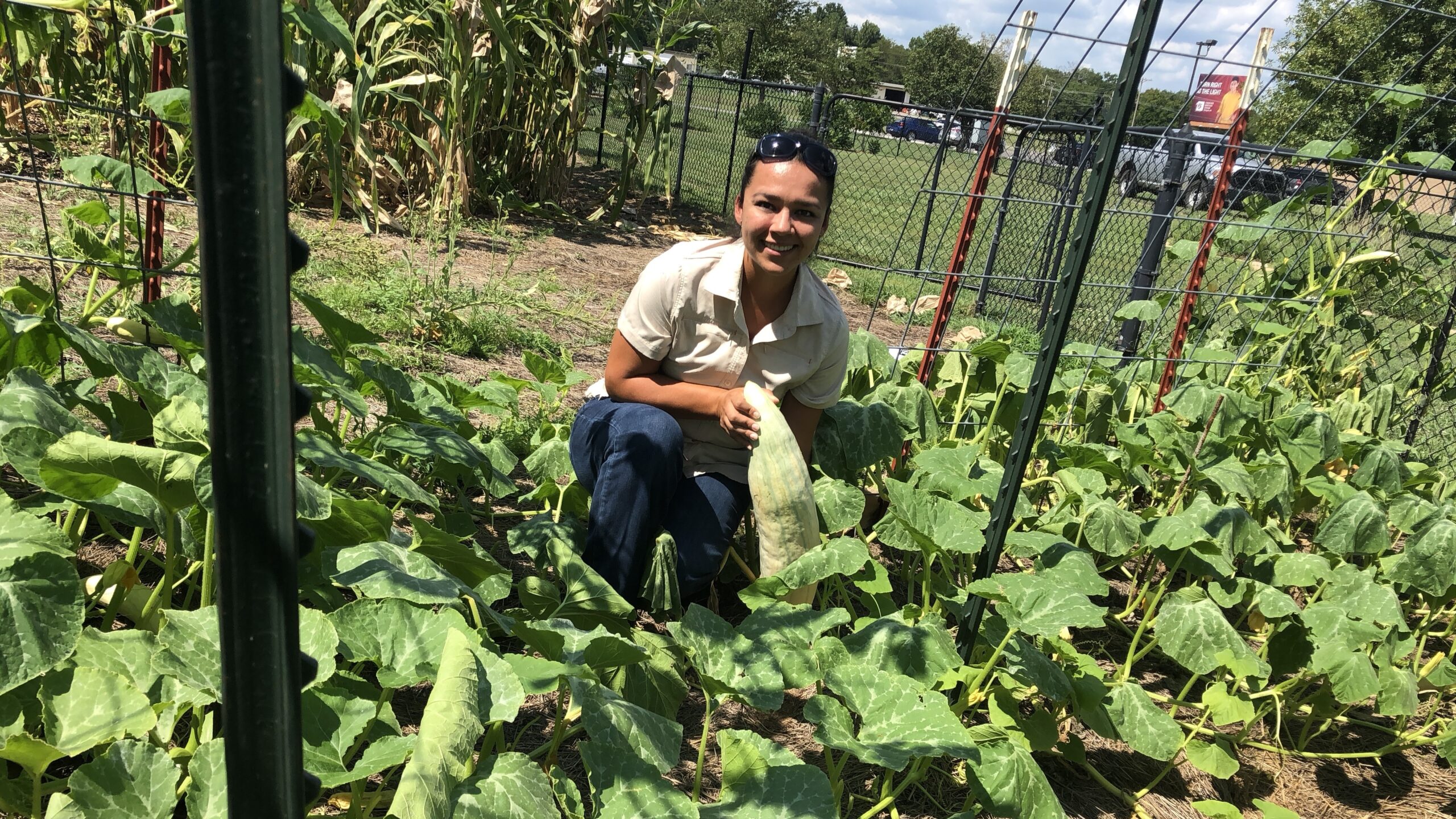
Charles Gourd’s garden is so big that before he installed irrigation, it could take three hours to water everything by hand. He grows beans and cucumbers that wind up archways you can walk underneath and pluck the ripe vegetables as though they’re growing in thin air.
“I like the basics, the Three Sisters — corn, beans and squash,” he says. “In order for it to taste right, you have to cook a bunch of it — it means you have to have your family and friends there.” He describes making a pot of beans, adding a little bit of hickory nut meat, then some corn hominy and squash. “You boil that up real good, and the more times you boil it, the better it tastes.”
“Talking about this made me hungry,” he adds.
Read this story now for free
To continue reading, sign up for our newsletter and get unlimited access to WABE.org
You can select your preferences for news and local content. We will never share your email address. Learn how your newsletter sign-up will support WABE and Public Media