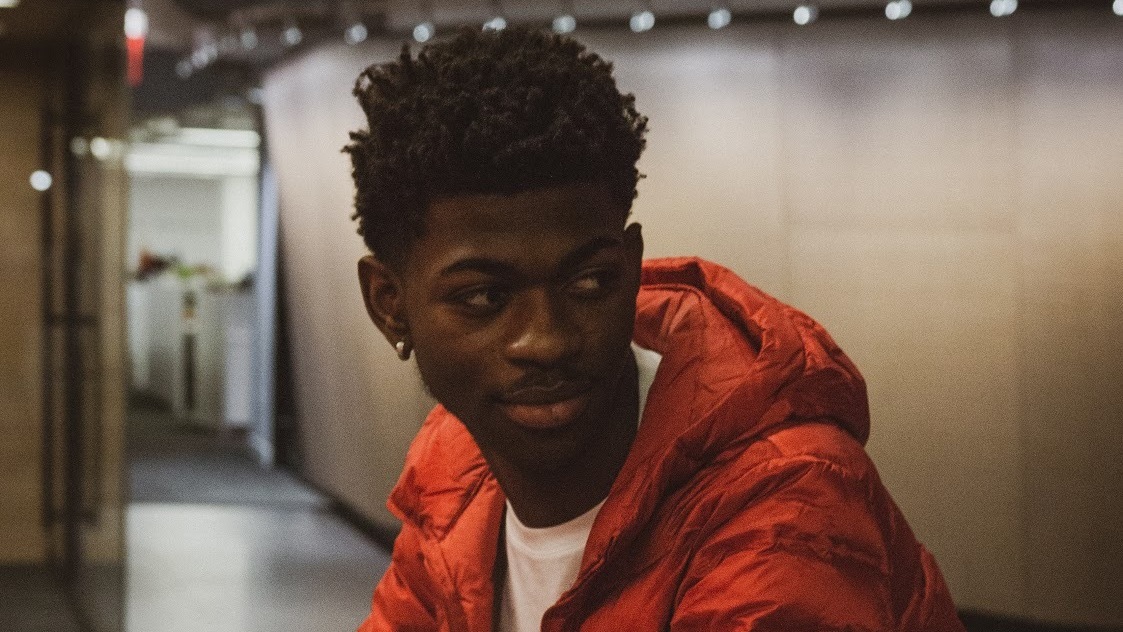
Magical things keep happening to Lil Nas X. Crazy, serendipitous things. Take last Sunday, just two days before his 20th birthday: He’s sitting in the stands at L.A.’s Staples Center, when out of nowhere the ball in play falls into his possession. “Like literally, I was at the Lakers game, and the ball flew in my hands,” he says. “It was just a sign in a way. Or, at least, that’s how I felt. And I’m not even a superstitious person, but yeah.”
The next day he met an even bigger fate. Having already consumed the nation in a debate over race, genre and their unholy miscegenation over the last century in the music industry, his country-trap ditty “Old Town Road” topped the Billboard Hot 100. It wasn’t totally unexpected, especially after he released a twangy remix last Friday featuring another country disrupter, Billy Ray Cyrus. But in the aftermath of Billboard removing “Old Town Road” from the Hot Country Songs chart the week prior — while declaring that the song “does not embrace enough elements of today’s country music” — his success proves the gatekeepers comically incapable of reining him in as he hops genres, busts formats and breaks all the old-school taboos.
Every few years it feels like another artist emerges from Atlanta who challenges tradition and reinvents the sound of music. It’s something hip-hop heads and pop prognosticators have been hyper-tuned to over the last decade. What we’re still learning to grasp is how a generation of digital natives is reconfiguring the way songs are made, marketed, even manipulated online for mass consumption. Lil Nas X happens to be expert at all of the above — an Atlanta-based artist who’s an Internet baby, first and foremost, raised on a steady diet of memes. Among the last decade’s rotating cast of ATLiens, his blueprint bears more in common with Soulja Boy’s early social media sorcery than Future‘s modulated robocroon.
Read this story now for free
To continue reading, sign up for our newsletter and get unlimited access to WABE.org
You can select your preferences for news and local content. We will never share your email address. Learn how your newsletter sign-up will support WABE and Public Media